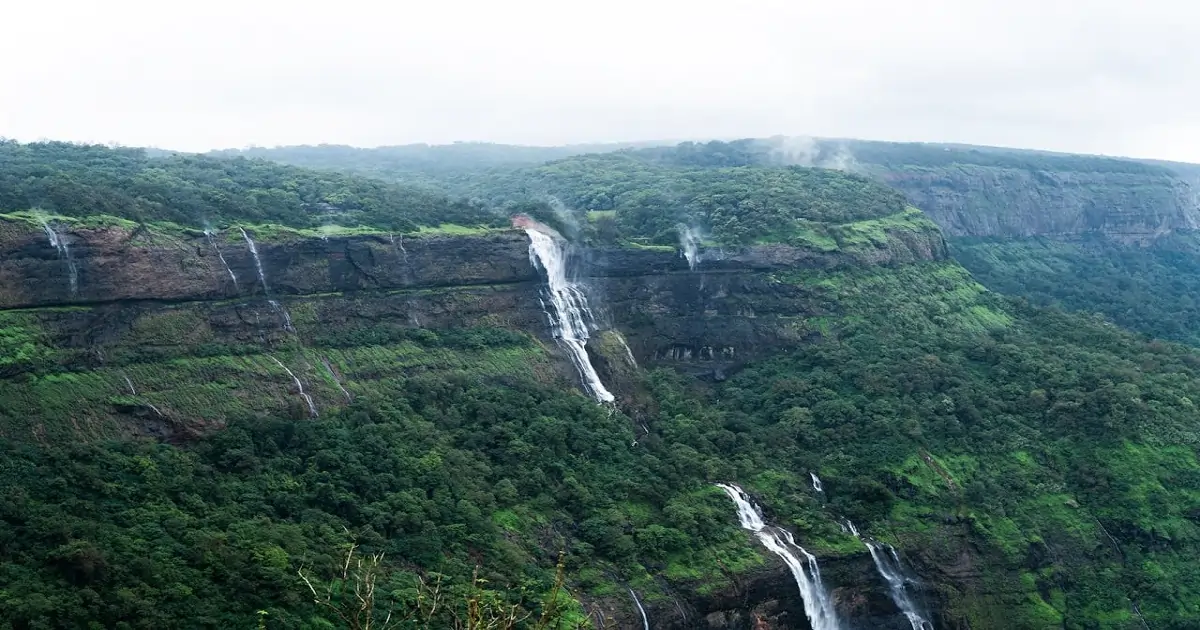
India is known for its rich natural diversity, shaped by mountains, forests, islands, and long coastlines. Within this vast landscape lie biodiversity hotspots, regions that support an exceptional variety of plants and animals. Many of these species exist nowhere else on Earth.
India overlaps with four globally recognized biodiversity hotspots, making it one of the most ecologically important countries in the world. These areas play a vital role in maintaining ecological balance, supporting livelihoods, and regulating climate systems.
However, biodiversity hotspots are also among the most threatened regions. Rapid development, habitat loss, and climate change place increasing pressure on these fragile ecosystems. Therefore, understanding biodiversity hotspots in India is essential for effective conservation and long-term environmental security.
What Is a Biodiversity Hotspot?
A biodiversity hotspot is a region that supports an unusually high number of plant and animal species. Many of these species are endemic, meaning they are found nowhere else. These areas may not look large on a map. However, they hold immense ecological value.
Biodiversity hotspots matter because they combine richness with risk. They support diverse life forms, yet they face severe threats from human activities. As a result, scientists and conservationists treat them as priority regions for protection.
Globally accepted definitions of biodiversity hotspots rely on clear scientific benchmarks. These benchmarks help identify regions where conservation action can protect the greatest amount of life. The scientific criteria for biodiversity hotspots are explained in detail through globally recognized conservation research
Scientific Criteria for Identifying Biodiversity Hotspots
Scientists use specific criteria to identify biodiversity hotspots. The first is endemism. A hotspot must contain a large number of plant species found only in that region. High endemism indicates long-term ecological isolation and evolution.
The second criterion is habitat loss. A region must have already lost a major part of its original natural vegetation. This signals high risk to existing species. Therefore, conservation becomes urgent.
Together, these factors help set conservation priorities. Regions meeting both criteria offer the highest return for conservation efforts. Protecting such areas can save many species at once, even with limited resources.
Why Biodiversity Hotspots Are Important
Biodiversity hotspots play a crucial role in keeping ecosystems stable and productive. Although they cover small areas, they support a large share of global species. Therefore, damage to hotspots can cause widespread ecological loss.
Understanding hotspots also helps explain how biodiversity works at different levels. Biodiversity types, threats, and conservation fit within the broader context of biodiversity.
Ecological Importance
Hotspots help maintain natural balance. These ecological processes operate across different types of biodiversity, from genetic variation within species to interactions among species and ecosystems. Besides this, they act as climate buffers by storing carbon and regulating rainfall patterns.
Many ecosystems depend on species found only in hotspots. When one species declines, others often suffer. Therefore, protecting hotspots helps preserve entire ecosystems, not just individual species.
Importance for Human Well-being
Millions of people depend directly on biodiversity hotspots for food, medicine, and livelihoods. Forests, for example, provide fuel, fruits, and medicinal plants. Rivers flowing from hotspot regions also supply clean water.
Furthermore, hotspots reduce climate risks. Healthy forests and wetlands help control floods and reduce heat extremes. Protecting these regions, therefore, supports both nature and human well-being in the long term.
How Many Biodiversity Hotspots Are in India?
India overlaps with four globally recognized biodiversity hotspots. This fact highlights the country’s exceptional ecological importance. These hotspots include the Western Ghats, the Eastern Himalayas, the Indo-Burma region, and Sundaland.
However, these hotspots do not lie entirely within India. Only specific portions fall inside the country’s borders. This concept is known as partial coverage. It means India shares these regions with neighboring countries. Therefore, conservation responsibility extends beyond national boundaries.
The Western Ghats and Eastern Himalayas have large areas within India. In contrast, only parts of the Indo-Burma region cover northeastern states. Similarly, Sundaland is limited to the Nicobar Islands.
Besides this, partial coverage does not reduce importance. Even smaller sections support rare species and fragile ecosystems. Protecting these areas remains vital for regional and global biodiversity.
List of Biodiversity Hotspots in India
India is one of the few countries that overlap with multiple global biodiversity hotspots. Each hotspot supports unique ecosystems shaped by climate, geography, and long-term evolution.
Although these regions differ widely, all share high biological richness and growing conservation concerns. Understanding each hotspot helps explain why India holds such global ecological importance.
Western Ghats
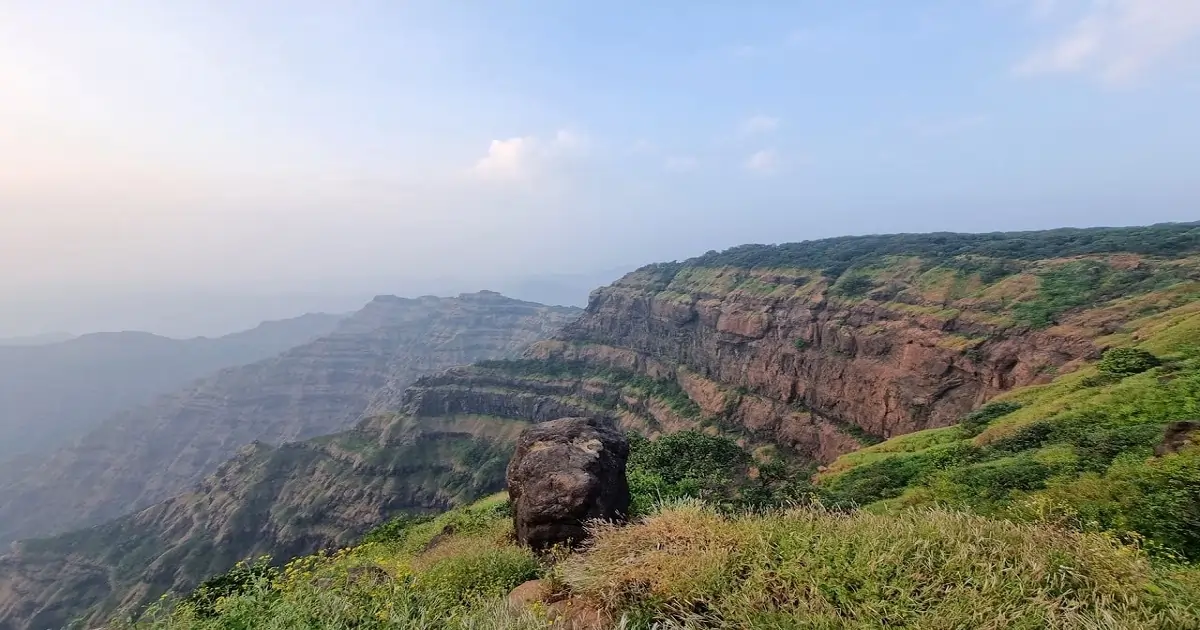
The Western Ghats stretch along India’s western edge, running parallel to the Arabian Sea. This ancient mountain range supports dense forests, rolling hills, and river systems that sustain life far beyond the region.
Key Ecological Features
The Western Ghats experience heavy rainfall and varied climate zones. These conditions support evergreen forests, moist deciduous forests, grasslands, and shola ecosystems. Besides this, many major rivers originate here, supplying water to millions.
Altitude changes create natural barriers, which encourage species to evolve independently. Therefore, the region shows high levels of endemism. These ecological features make the Western Ghats one of the most species-rich areas in India.
Notable Flora and Fauna
The Western Ghats are home to many rare and endemic species. The Malabar Giant Squirrel stands out with its striking colors and tree-dwelling habits. Similarly, the Nilgiri Langur thrives in forest canopies.
Another key species is the Lion-tailed Macaque, known for its limited range and declining numbers. Besides animals, the region supports diverse plant species, including medicinal herbs and endemic flowering plants.
Conservation Status and Efforts
Despite their importance, the Western Ghats face pressure from deforestation, mining, and infrastructure growth. Habitat fragmentation remains a major concern. However, conservation efforts continue through wildlife sanctuaries and biosphere reserves.
Community-based conservation plays an important role here. Local groups increasingly support sustainable farming and forest protection. These efforts help balance human needs with ecological preservation.
Eastern Himalayas
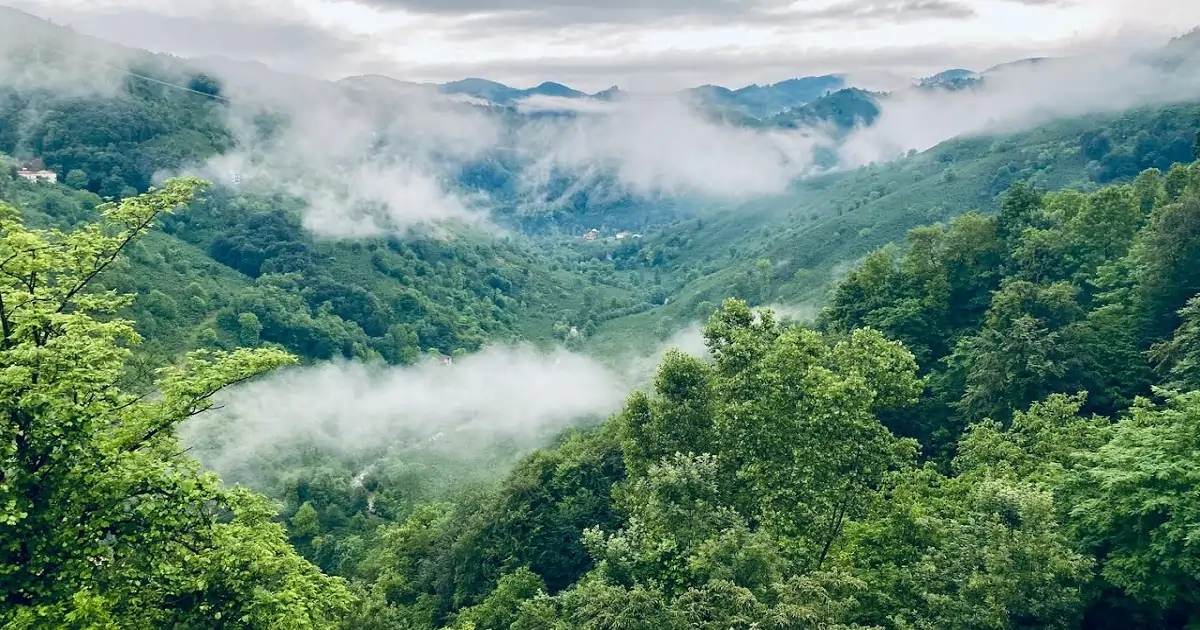
The Eastern Himalayas represent one of the most biologically diverse mountain regions in the world. This hotspot covers parts of northeastern India and supports rich forests shaped by altitude and climate variation.
Biodiversity Highlights
This region supports a wide range of species across forests, grasslands, and alpine zones. The Red Panda depends on bamboo forests found here. Besides this, many bird species thrive in these habitats.
The Eastern Himalayas also host exceptional plant diversity. Orchids are especially abundant, adding to the region’s ecological value. High rainfall and varied terrain allow many species to coexist.
Threats and Conservation Challenges
Rapid development threatens the Eastern Himalayas. Road construction, deforestation, and expanding settlements reduce forest cover. Climate change also alters temperature and rainfall patterns, affecting sensitive species.
Besides this, habitat fragmentation limits wildlife movement. Therefore, maintaining ecological connectivity has become a key conservation challenge in the region.
Protected Areas and Initiatives
Several protected areas in the Eastern Himalayas help conserve fragile ecosystems. National parks and wildlife sanctuaries provide refuge for endangered species. These areas also support research and monitoring programs.
Community participation further strengthens conservation efforts. Local knowledge and traditional practices often support sustainable resource use. Together, these measures improve long-term protection outcomes.
Indo-Burma Biodiversity Hotspot Indian Region
The Indo-Burma biodiversity hotspot extends across Southeast Asia. Northeast India forms an important part of this region. Forests, wetlands, and river systems define its ecological character.
Distinctive Characteristics
The Indo-Burma region supports tropical and subtropical forests with high species diversity. Rivers and wetlands create ideal conditions for freshwater species. Besides this, seasonal rainfall patterns shape local ecosystems.
Geographic isolation has allowed many species to evolve separately. Therefore, the region contains many endemic plants and animals found nowhere else.
Endangered Species and Conservation Efforts
Several threatened species live in this hotspot. The White-winged Duck depends on forest wetlands for survival. Similarly, the Irrawaddy Dolphin inhabits freshwater river systems.
Conservation efforts focus on habitat protection and anti-poaching measures. Non-governmental organizations work with communities to reduce wildlife pressure. These efforts aim to protect species while supporting local livelihoods.
Sundaland Biodiversity Hotspot Nicobar Islands
Sundaland is the smallest biodiversity hotspot within India. Only the Nicobar Islands fall under this region. Despite limited size, the area holds high ecological value.
Ecological Significance
The Nicobar Islands support tropical rainforests and coastal ecosystems. These habitats provide shelter to many endemic species. Coral reefs around the islands also support marine biodiversity.
Island ecosystems are highly sensitive. Even small changes can affect entire food chains. Therefore, ecological balance remains fragile.
Conservation Challenges
Deforestation and infrastructure development threaten island habitats. Climate change increases risks from sea-level rise and extreme weather. Besides this, limited resources complicate conservation management.
Protecting the Nicobar Islands requires careful planning. Sustainable development and strict habitat protection remain essential for preserving this unique hotspot.
Major Threats to Biodiversity Hotspots in India
Biodiversity hotspots in India face increasing pressure from human activities. Although these regions support rich life forms, they remain highly vulnerable. Multiple threats often act together, making conservation more complex.
Habitat Loss and Deforestation
Habitat loss is the most serious threat to biodiversity hotspots. Forests are cleared for roads, mining, and settlements. As a result, many species lose shelter and food sources.
Deforestation also breaks large forests into smaller patches. This isolation limits animal movement and breeding. Therefore, survival rates of many endemic species decline over time.
Urbanization and Agriculture
Rapid urban growth puts pressure on nearby natural areas. Cities expand into forests and wetlands. Besides this, pollution and waste disturb fragile ecosystems.
Modern agriculture also affects hotspots. Large farms replace diverse habitats with single crops. Pesticides and fertilizers further harm soil, water, and wildlife.
Climate Change Impacts
Climate change alters rainfall patterns and temperatures. Many hotspot species cannot adapt quickly. Therefore, even small climate shifts can cause population decline.
Rising sea levels threaten island and coastal hotspots. Extreme weather events also damage forests. These impacts often worsen existing threats.
Conservation Efforts for Biodiversity Hotspots in India
Protecting biodiversity hotspots requires coordinated action. India uses legal frameworks, protected areas, and community involvement to support conservation. These efforts aim to balance development and ecological protection.
Government Policies and Legal Frameworks
India has established laws to protect wildlife and forests. National parks and wildlife sanctuaries safeguard critical habitats. Environmental regulations also limit harmful land use.
India’s biodiversity conservation initiatives support habitat protection and species recovery. These measures provide a legal foundation for long-term conservation planning.
Role of Local Communities and NGOs
Local communities play a vital role in conservation. Many depend on forests for livelihoods. Therefore, sustainable practices benefit both people and nature.
Non-governmental organizations support awareness, research, and habitat restoration. They also work closely with communities to reduce human wildlife conflict and promote conservation education.
Importance of Conserving Biodiversity Hotspots
Conserving biodiversity hotspots protects ecosystems that support life far beyond their boundaries. These regions regulate climate, water flow, and soil health. Therefore, their loss affects both nature and society.
Hotspots also safeguard genetic diversity. This diversity supports agriculture, medicine, and resilience against environmental change. Protecting hotspots ensures long-term ecological stability.
Conclusion
Biodiversity hotspots in India represent some of the most valuable and fragile ecosystems on Earth. These regions support rare species, unique habitats, and essential ecological processes that sustain life. From mountain forests to island ecosystems, each hotspot plays a critical role in maintaining environmental balance.
However, increasing pressure from habitat loss, climate change, and human expansion continues to threaten these areas. Conservation efforts, therefore, must remain consistent and adaptive. Government action, community participation, and informed public choices all matter.
Protecting biodiversity hotspots is not only about saving wildlife. It also safeguards water, food security, and climate stability. Thoughtful conservation today can ensure these natural treasures endure for future generations.