Life on Earth depends on the rich variety of living forms around us. From forests and oceans to farms and cities, every natural system relies on balance. Biodiversity explains how plants, animals, and microorganisms connect within ecosystems and support the environment we depend on daily. It shapes how food grows, water stays clean, and climates remain stable.
However, this balance is under growing pressure. Biodiversity loss is increasing as habitats change, resources are overused, and pollution spreads. As species decline, ecosystems weaken, and their ability to support life also reduces. Therefore, understanding this topic matters to everyone, not only scientists.
This guide explains the meaning of biodiversity, its main types, why it is important, the threats it faces, and how conservation helps protect life on Earth.
What Is Biodiversity?
Life on Earth shows an incredible range of forms and patterns. From tiny insects to large forests, nature thrives on variety. Biodiversity explains this variety and how living systems stay balanced.
At its core, biodiversity describes how life exists, interacts, and supports the environment. It connects species with their habitats and links natural processes together. When diversity is strong, ecosystems function smoothly; however, when it declines, systems become fragile.
This basic idea forms the foundation for understanding environmental health and sustainability.
Definition of Biodiversity
Biodiversity refers to the variety of living organisms on Earth. It includes plants, animals, microorganisms, and the natural systems they create together. In simple words, it explains how life differs and how those differences support survival. This meaning applies across forests, oceans, grasslands, and even human-managed landscapes.
From a scientific view, biodiversity meaning goes beyond counting species. It also includes variation within species and the relationships between organisms and their surroundings. These differences allow life to respond to environmental changes. Because of this, biological diversity plays a key role in adaptation and resilience.
This explanation aligns with definitions used by organizations such as the International Union for Conservation of Nature, which highlights variation within species, between species, and across ecosystems. Such a broad view helps explain why protecting nature involves more than saving individual species.
In daily life, biodiversity supports food systems, clean water, and stable climates. Crops rely on pollinators, soils depend on living organisms, and natural systems regulate air quality. When diversity declines, these services weaken. Understanding what is biodiversity helps clarify why nature protection benefits both people and the planet.
Scope and Levels of Biodiversity
Biodiversity exists at different levels and across many scales. Each level helps explain how life stays connected and balanced. Together, these levels show why nature works as a system rather than separate parts.
At a local level, biodiversity includes plants, animals, and microorganisms living in a specific area. This may involve species in a forest, lake, grassland, or coastal zone. Local diversity supports daily ecological functions such as pollination, soil health, and water filtration.
At a regional level, biodiversity reflects how ecosystems vary across landscapes. Climate, terrain, and water availability shape which species survive in each region, a pattern clearly visible in biodiversity across India’s ecosystems. These variations create ecosystem diversity, where different habitats support unique life forms. Besides that, regional diversity improves resilience when environments face stress.
Global biodiversity looks at life across the entire planet. It connects ecosystems through migration, climate systems, and food chains. Changes in one region can affect others far away. Therefore, biodiversity levels are closely linked.
When viewed together, local, regional, and global biodiversity form a connected network. This interconnectedness explains why protecting nature in one place also supports life elsewhere.
Types of Biodiversity

Life on Earth appears diverse in many visible and hidden ways. This diversity does not exist at a single level. Instead, it operates through several layers that work together to support natural balance. Understanding these types helps explain how nature adapts, survives, and responds to change.
Biodiversity is commonly understood through three main types. Each type highlights a different way life varies and interacts within the environment. Together, they show why protecting nature requires more than focusing on one species or habitat.
A closer look at the main types of biodiversity helps clarify how these layers work together.
Genetic Diversity
Genetic diversity refers to variation within a single species. It explains why individuals of the same species differ in size, color, strength, or resistance to disease. These differences come from genetic variation passed from one generation to the next.
This form of diversity plays a key role in survival. When environments change, some individuals adapt better than others. Those with helpful traits survive and reproduce. Over time, species adaptation allows populations to adjust to new conditions. As a result, genetic diversity increases the chances of long-term survival.
Population diversity also supports resilience. Crops with varied genetic traits resist pests and diseases better than uniform crops. Wild species benefit in similar ways. When genetic variety declines, species become more vulnerable to threats such as climate change or illness.
Besides survival, genetic diversity supports evolution. It allows species to develop new traits over time. Without enough variation, evolution slows down. As a result, ecosystems lose stability. Protecting genetic diversity helps ensure species remain strong and adaptable in changing environments.
Species Diversity
Species diversity focuses on the variety of species within a given area. It includes both species richness and species evenness. Species richness refers to how many different species exist. Species evenness describes how evenly individuals are distributed among those species.
Areas with high species biodiversity usually show greater balance. Plants, animals, and microorganisms perform different roles. Some produce food, others control pests, and many recycle nutrients. Together, these interactions support ecosystem health and stability.
Plant and animal species rely on each other in many ways. Pollinators support flowering plants. Predators help regulate population sizes. Decomposers break down organic matter and enrich soil. When one species declines, others may also suffer. Therefore, species diversity helps maintain natural order.
Ecosystems with low species richness often struggle to recover from stress. A disease or environmental change can affect the entire system. In contrast, diverse ecosystems adjust more easily. This explains why protecting a wide range of species remains essential for environmental balance.
Ecosystem Diversity
Ecosystem diversity describes the variety of habitats and ecological systems across landscapes. Forests, wetlands, oceans, grasslands, and deserts each support different forms of life. Every ecosystem has unique conditions that shape how organisms live and interact, and some regions form biodiversity hotspots in India.
Habitat diversity allows species to occupy specific roles. Wetlands filter water and support aquatic life. Forests regulate climate and store carbon. Oceans influence weather patterns and provide food. These ecological systems work together to support life on Earth.
Interactions within ecosystems connect living and non-living elements. Soil, water, climate, plants, and animals influence one another constantly. Changes in one part can affect the whole system. Therefore, ecosystem biodiversity supports long-term environmental stability.
When ecosystems disappear or become fragmented, species lose shelter and resources. This weakens ecological connections. Protecting ecosystem diversity helps maintain natural processes that support life at every level.
Together, genetic, species, and ecosystem diversity form a complete picture of biodiversity. These categories align with international frameworks such as the Convention on Biological Diversity, which recognizes biological diversity as variation within species, between species, and across ecosystems. This global perspective reinforces why conservation efforts must address all three types, not just one aspect of nature.
These three types of biodiversity work together rather than in isolation. Genetic diversity strengthens species survival, species diversity supports ecosystem balance, and ecosystem diversity provides space for life to interact.
When one level weakens, the others also suffer. Therefore, protecting biodiversity requires attention to all three forms at the same time, not a focus on only one layer of life.
Why Biodiversity Is Important
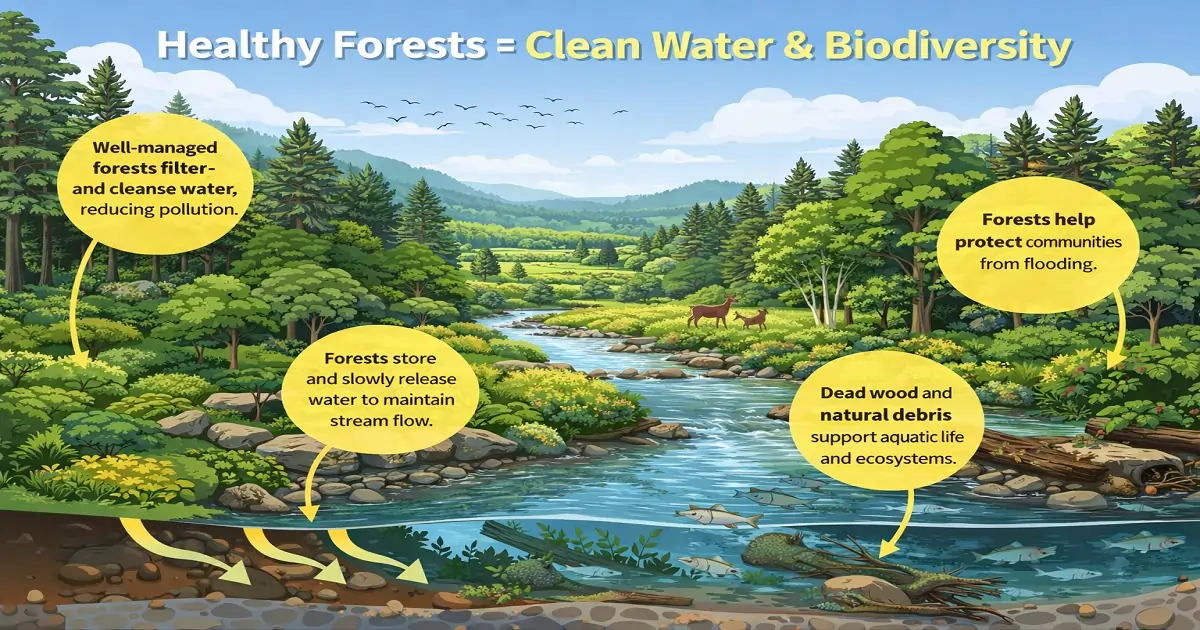
Biodiversity supports life in ways that often go unnoticed. It keeps natural systems working and helps environments respond to change. When diversity is strong, ecosystems remain productive and stable. When it declines, natural balance weakens. Therefore, understanding its importance helps explain why nature protection matters for both people and the planet.
This importance can be understood across ecological, economic, and social dimensions. Each one highlights a different way biodiversity supports life and human well-being.
Ecological Importance of Biodiversity
Biodiversity plays a central role in maintaining ecosystem balance. Different species interact through food webs, where plants, animals, and microorganisms depend on one another. Producers, consumers, and decomposers work together to move energy and nutrients through ecosystems.
High biodiversity strengthens ecological stability. When one species declines, others can often fill similar roles. This flexibility helps ecosystems recover from disturbances such as floods, fires, or droughts. In contrast, ecosystems with low diversity are more fragile and slow to recover.
Natural cycles also rely on biodiversity. Nutrient cycling, pollination, soil formation, and water purification depend on many living organisms. For example, insects pollinate crops, while soil organisms break down organic matter. These processes support biodiversity and ecosystems at every level.
Besides that, diverse ecosystems regulate climate and reduce environmental extremes. Forests store carbon, wetlands absorb floods, and oceans influence weather patterns. Together, these functions explain why biodiversity supports long-term ecological stability and healthy environments.
Economic Importance of Biodiversity
Biodiversity provides essential economic benefits that support daily life. Agriculture depends on diverse plant varieties, healthy soils, and pollinators. Crops with genetic diversity resist pests and diseases more effectively. This reduces risks to food production.
Fisheries also rely on biodiversity. Healthy marine ecosystems support fish populations and protect breeding grounds. When ecosystems degrade, fish stocks decline, affecting food supply and livelihoods. Therefore, biodiversity benefits coastal communities and global food systems.
Many medicines come from natural resources. Plants, fungi, and microorganisms contain compounds used to treat diseases. Biodiversity increases the chances of discovering new medical treatments. Losing species may mean losing future cures.
These contributions are often described as ecosystem services. They include food, clean water, raw materials, and climate regulation. Organizations such as the Food and Agriculture Organization of the United Nations highlight how biodiversity supports agriculture, nutrition, and sustainable development worldwide. This link shows how natural systems directly support economic stability.
Social and Cultural Importance
Biodiversity also holds deep social and cultural value. Many indigenous communities depend on local ecosystems for food, shelter, and medicine. Their traditions and identities are closely tied to nature. Cultural biodiversity reflects this strong connection between people and the environment.
Traditional knowledge helps manage natural resources sustainably. Indigenous practices often protect species and habitats through generations of observation and experience. Besides that, this knowledge supports conservation efforts by offering local solutions.
Biodiversity influences human well-being in broader ways. Natural spaces improve mental health, provide recreation, and strengthen community ties. Landscapes, wildlife, and plants shape cultural expressions, stories, and beliefs. Therefore, biodiversity and society remain closely linked.
When ecosystems decline, cultural practices and livelihoods may disappear. Protecting biodiversity helps preserve both natural heritage and human identity across generations.
Ecological, economic, and social benefits of biodiversity are closely linked. Healthy ecosystems support agriculture, fisheries, and climate regulation, which in turn sustain livelihoods and communities. When biodiversity declines, economic stability and social well-being also weaken.
Therefore, protecting nature is not only an environmental concern but a shared responsibility tied to human development and long-term prosperity.
Key Benefits of Biodiversity
Biodiversity provides many benefits that support life and development. These benefits extend across nature, economies, and cultures.
- Supports food security by maintaining healthy crops, livestock, and fisheries.
- Maintains ecosystem resilience, allowing environments to recover from stress.
- Enables climate regulation through forests, oceans, and wetlands.
- Supports livelihoods for communities dependent on natural resources.
- Preserves cultural heritage and traditional knowledge tied to nature.
Together, these benefits show why biodiversity remains essential for a sustainable future. Protecting it supports ecosystems, economies, and societies at the same time.
Major Threats to Biodiversity
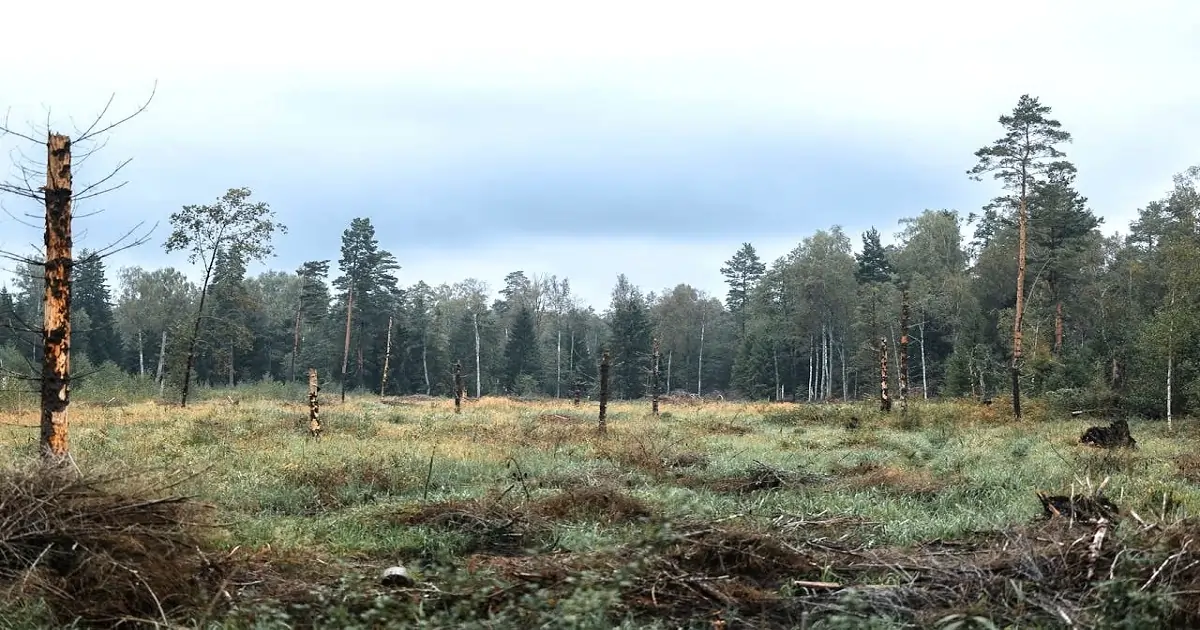
Biodiversity faces growing pressure from many human-driven and environmental factors. These threats rarely act alone. Instead, they combine and intensify over time. As a result, ecosystems lose balance, species decline, and natural systems struggle to recover, contributing to rising biodiversity loss worldwide. Understanding these threats helps explain why biodiversity loss has become a global concern.
Habitat Loss and Fragmentation
Habitat loss is one of the leading causes of biodiversity decline. Natural areas are cleared or altered to make space for agriculture, cities, roads, and industries. This process, often called habitat destruction, removes the shelter and resources that species need to survive.
Deforestation plays a major role in this problem. Forests are cut for timber, farming, or development. When forests disappear, countless plant and animal species lose their homes. Besides that, carbon storage decreases, which affects climate patterns.
Land use change also fragments habitats. Large, continuous ecosystems break into smaller, isolated patches. Wildlife populations become separated, limiting movement and breeding. Over time, this isolation reduces genetic diversity and increases extinction risk.
Therefore, habitat loss and fragmentation weaken ecosystems and speed up biodiversity loss.
Climate Change and Biodiversity Loss
Climate change places additional stress on natural systems. Rising temperatures, changing rainfall patterns, and extreme weather events alter habitats faster than many species can adapt. This creates a direct climate change impact on biodiversity.
Global warming effects include melting ice, rising sea levels, and warming oceans. Coral reefs bleach, polar species lose ice habitats, and coastal ecosystems face flooding. These changes disrupt food sources and breeding cycles.
Species migration often becomes necessary. Plants and animals move toward cooler regions or higher elevations. However, not all species can migrate. Physical barriers, limited mobility, or habitat loss block movement. Therefore, climate change increases biodiversity loss by pushing species beyond their limits.
Pollution and Biodiversity Decline
Environmental pollution affects ecosystems on land, in water, and in the air. Pollutants enter natural systems through industrial waste, farming chemicals, and urban runoff. Over time, these substances harm plants, animals, and microorganisms.
Water pollution introduces toxins into rivers, lakes, and oceans. Nutrient runoff causes algal blooms, which reduce oxygen levels and kill aquatic life. Fish, amphibians, and invertebrates suffer first, but effects spread through food chains.
Soil contamination damages plant growth and affects organisms living underground. Heavy metals and chemicals reduce soil fertility and harm insects and microbes. Therefore, pollution weakens ecosystems and accelerates biodiversity loss across many environments.
Overexploitation and Invasive Species
Overexploitation occurs when wildlife and natural resources are used faster than they can recover. Overfishing reduces fish populations and disrupts marine ecosystems. Unsustainable hunting and logging also threaten species survival.
Wildlife exploitation often targets valuable species for food, medicine, or trade. As populations decline, ecosystems lose key species that maintain balance. This creates long-term ecological damage.
Invasive species add another layer of pressure. When non-native species enter new environments, they may outcompete native ones. Invasive species spread quickly, alter habitats, and reduce local diversity. Together, overexploitation and invasive species contribute significantly to biodiversity loss.
These threats are documented in global assessments by bodies such as the Intergovernmental Science-Policy Platform on Biodiversity and Ecosystem Services, which highlights how human activities drive widespread biodiversity decline. Recognizing these pressures is essential for protecting ecosystems and preventing further loss of life on Earth.
Biodiversity loss rarely results from a single threat. Habitat destruction, climate change, pollution, and overexploitation often act together. For example, polluted habitats reduce resilience to climate stress, while fragmented landscapes limit species movement.
These combined pressures accelerate decline faster than any one factor alone. Understanding this interaction explains why addressing threats in isolation often fails.
Biodiversity Conservation and Protection

Protecting biodiversity means safeguarding life in all its forms and the systems that support it. Conservation focuses on preventing further loss while restoring damaged ecosystems through biodiversity conservation efforts. It aims to keep nature resilient so it can continue supporting food, water, and climate stability. Without active protection, many species and habitats face long-term decline.
Biodiversity conservation works at multiple levels. It involves protecting species, managing ecosystems, and guiding human activities toward sustainability. These efforts reduce pressure on nature and help ecosystems recover. Conservation also balances environmental needs with social and economic goals.
Conservation Strategies and Approaches
Conservation strategies focus on protecting biodiversity where it exists and supporting it where it is threatened. One common approach is in-situ conservation. This method protects species within their natural habitats.
National parks, wildlife reserves, and marine sanctuaries fall under this approach. Protected areas allow ecosystems to function with minimal human disturbance.
Ex-situ conservation supports species outside their natural habitats, forming part of broader in-situ and ex-situ conservation approaches. Zoos, botanical gardens, and seed banks play this role. These methods help preserve genetic material when species face high risk in the wild. Besides that, ex-situ conservation supports research and future reintroduction efforts.
Protected areas remain central to conservation methods. They safeguard habitats, limit exploitation, and support ecosystem recovery. When managed well, protected areas also benefit nearby communities through tourism and ecosystem services.
Therefore, combining in-situ and ex-situ strategies strengthens biodiversity conservation and long-term survival.
Role of Governments and Global Initiatives
Governments play a key role in biodiversity protection through laws and policies. Environmental regulations control land use, pollution, and resource extraction. Strong policies reduce habitat loss and protect endangered species. Enforcement also ensures that conservation efforts achieve real outcomes.
Global conservation efforts depend on international cooperation. Biodiversity does not follow national borders. Migratory species, oceans, and climate systems connect countries. International agreements help align conservation goals and share responsibility among nations.
Organizations such as the International Union for Conservation of Nature support these efforts by guiding conservation planning and ecosystem protection worldwide. Their work emphasizes protecting ecosystems alongside species, which strengthens global biodiversity protection. Coordinated action helps address threats that no country can solve alone.
Role of Communities and Individuals
Communities play an essential role in biodiversity preservation. Local people often depend directly on natural resources. When communities manage land and water sustainably, ecosystems remain healthier. Community conservation programs blend traditional knowledge with modern practices.
Individuals also influence biodiversity through daily choices, showing how humans help conserve biodiversity. Sustainable living reduces pressure on ecosystems. Choosing local foods, reducing waste, and conserving energy all support biodiversity. Besides that, responsible consumption limits pollution and habitat damage.
Awareness strengthens conservation outcomes. When people understand how biodiversity supports life, they are more likely to protect it. Education encourages respect for nature and motivates local action. Therefore, biodiversity preservation works best when communities and individuals act together.
Practical Ways to Help Protect Biodiversity
Protecting biodiversity does not always require large actions. Small, consistent steps can make a real difference.
- Reduce waste and pollution by limiting plastic use and disposing waste responsibly.
- Support sustainable products that reduce harm to ecosystems and wildlife.
- Protect natural habitats by respecting protected areas and restoring local green spaces.
- Promote environmental awareness through education and community involvement.
These actions support conservation goals at a personal and local level. When many people participate, their impact grows. Together, conservation strategies, strong policies, and responsible choices help protect biodiversity for future generations.
Effective conservation depends on coordinated action at multiple levels. Strong policies create protection frameworks, community involvement ensures local stewardship, and individual choices reduce daily pressure on ecosystems.
When these efforts align, conservation outcomes improve. However, if one level fails, progress slows. Therefore, lasting biodiversity protection requires shared responsibility across governments, societies, and individuals.
Biodiversity Loss and the Future of Life on Earth
Biodiversity loss is shaping the future of life in visible and invisible ways. As species disappear and habitats shrink, ecosystems lose their ability to function properly. Over time, these changes increase long-term risks for nature and human societies alike. The future of biodiversity now depends on how quickly these pressures are reduced.
Ecosystem collapse becomes more likely when biodiversity falls below critical levels. Food webs weaken, natural cycles break down, and recovery slows after disasters. Forests may fail to store carbon, wetlands may stop filtering water, and oceans may lose their capacity to support fisheries. These failures intensify the biodiversity crisis.
Human survival is closely linked to environmental stability. People rely on ecosystems for food, clean water, medicine, and climate regulation. When biodiversity declines, these services become unreliable. This creates challenges for health, livelihoods, and economic security. Therefore, environmental sustainability cannot exist without healthy ecosystems.
Global conservation groups continue to warn about these risks. Insights shared by the World Wide Fund for Nature highlight how ongoing biodiversity loss threatens ecosystems and the systems that support human life. Their work shows that protecting nature remains essential for long-term resilience.
The choices made today will shape future outcomes. Slowing biodiversity loss can prevent irreversible damage. However, delay increases the cost and difficulty of recovery. Acting now helps secure a stable and livable planet.
The long-term consequences of biodiversity loss extend beyond environmental damage. As ecosystems weaken, food security, health systems, and climate stability face growing risk. Delayed action narrows recovery options and increases future costs.
Acting early reduces irreversible harm. Therefore, protecting biodiversity today is an investment in resilience, stability, and survival for future generations.
Conclusion
Biodiversity supports life at every level, from ecosystems to human societies. It maintains balance, provides essential resources, and strengthens resilience. Throughout this guide, the importance of biodiversity, the threats it faces, and ways to protect it have become clear.
Biodiversity conservation requires shared responsibility. Governments, communities, and individuals all play a role in protecting biodiversity. Sustainable choices, informed policies, and conservation efforts help reduce pressure on natural systems.
Looking ahead, a sustainable future depends on healthy ecosystems. Protecting nature today supports food security, climate stability, and human well-being tomorrow. By valuing biodiversity and acting responsibly, societies can protect life on Earth and pass a healthier planet to future generations.