Life on Earth depends on a quiet partnership between plants and animals. Across land and water, flora and fauna shape air, food, and shelter, therefore supporting daily survival for people and wildlife alike.
These living networks form flora and fauna ecosystems that recycle nutrients and balance climate. However, natural ecosystems also protect water and soil. For example, forests cool regions, while oceans feed communities and sustain biodiversity.
Furthermore, plants and animals connect food chains and cultures, therefore shaping health and livelihoods. When habitats thrive, life on Earth becomes resilient, diverse, and stable.
This article explores how these systems work, the benefits they provide, and the pressures they face. However, it also shows practical paths to protect biodiversity for the future.
What Is Flora and Fauna?
Flora and fauna describe the living foundation of our planet. Together, they include all plants and animals that shape land, water, and air. These life forms interact daily, therefore creating systems that support food, shelter, and balance.
From forests to oceans, flora and fauna ecosystems quietly sustain natural ecosystems and biodiversity across regions. Their presence explains how life on Earth remains stable and connected.
What Is Meant by Flora?
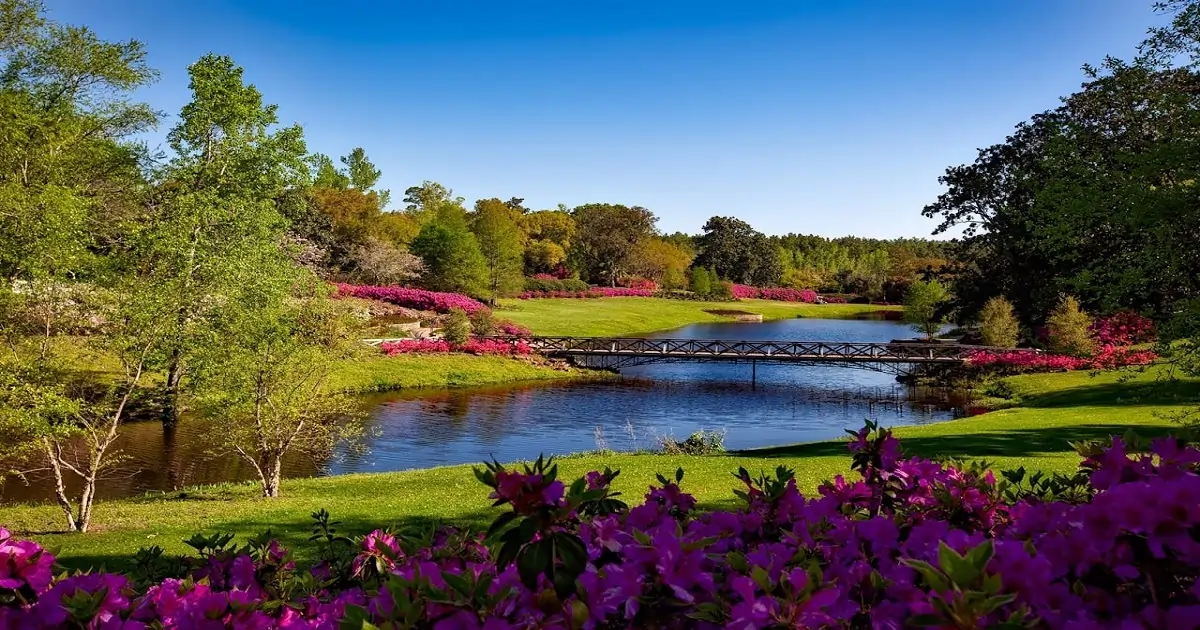
Flora refers to all plant life found in a specific area or across the planet. It includes trees, grasses, shrubs, and microscopic plants. Vegetation grows on land as terrestrial plants and in water as aquatic plants.
These plants capture sunlight and produce food through photosynthesis. Furthermore, plant diversity supports soil health and water cycles. Without strong flora, ecosystems lose structure, food sources, and long-term stability.
What Is Meant by Fauna?
Fauna includes all animal life living within natural environments. This group covers insects, birds, mammals, reptiles, and aquatic animals. Wildlife may live on land, in freshwater, or in oceans.
Species diversity within fauna keeps food chains active and ecosystems responsive. Animals also help spread seeds and control populations. Therefore, fauna biodiversity plays a direct role in flora and fauna sustaining life across ecosystems.
The Role of Flora and Fauna in Earth’s Life Systems
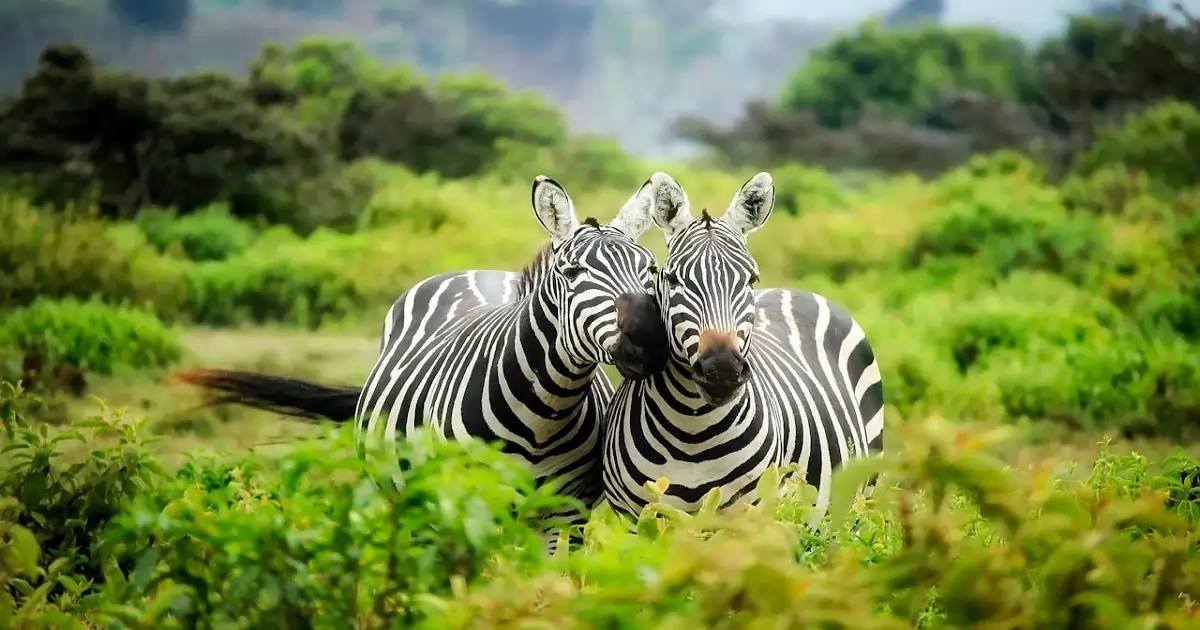
Flora and fauna drive the processes that keep Earth alive. They manage energy flow, regulate air and water, and support living networks. These systems work quietly every day, however their impact remains essential.
Together, plants and animals form natural systems that support life from the smallest organism to humans.
Oxygen, Food, and Energy Flow
Plants play a central role in oxygen production by converting sunlight into energy. This process fuels food chains and food webs across ecosystems. Animals then consume plants or other animals, therefore moving energy forward. Energy transfer links producers, consumers, and decomposers in a continuous cycle.
For example, grasses feed herbivores, which support predators. Without this flow, ecosystems collapse. Furthermore, oceans and forests act as major life-support systems by feeding billions of species.
Maintaining Ecological Balance
Ecological balance depends on healthy interactions between species. Predator prey relationships prevent overpopulation and resource loss. Plants regulate soil moisture and prevent erosion. Animals assist natural regulation by pollination and seed dispersal.
However, when one group declines, imbalance spreads quickly. Stable ecosystems rely on diversity and cooperation. Therefore, flora and fauna together maintain harmony, resilience, and long-term ecosystem balance.
Interdependence Between Plants, Animals, and Humans
Humans depend deeply on plants and animals, even in modern life. Food, medicine, clothing, and shelter all come from natural resources. Ecosystem services such as clean water and fertile soil support daily needs.
For example, crops rely on pollinators, while forests protect water sources. Furthermore, oceans provide food and regulate climate patterns. However, human actions also affect these systems.
Sustainable choices help protect nature while meeting human needs. When ecosystems remain healthy, people benefit from stable resources and long-term well-being.
You May Like: Mountain Lion Facts, Habitat & Conservation Guide
Major Ecosystems Where Flora and Fauna Thrive
Earth supports many ecosystems where plants and animals live together in balance. Each ecosystem offers unique conditions such as climate, water, and soil. Therefore, flora and fauna adapt in different ways to survive and grow.
These areas often become biodiversity hotspots because life forms depend on one another. Understanding major ecosystems helps explain how nature sustains itself.
Forest Ecosystems
Forest ecosystems include tropical forests, temperate forests, and boreal regions. Trees dominate these landscapes and support dense plant life. Furthermore, forests provide shelter and food for countless animals.
Tropical forests hold rich species diversity and help regulate climate. Leaves recycle nutrients into soil, while animals spread seeds. As a result, forests remain vital for ecosystem stability and global biodiversity.
Grasslands and Savannas
Grasslands and savannas stretch across wide open areas with seasonal rainfall. Grasses support grazing animals such as deer and antelope. Predators depend on these herbivores for survival. However, fires and grazing keep trees from spreading widely.
This balance allows grasslands to stay productive. These ecosystems support both wildlife and farming communities worldwide.
Freshwater and Marine Ecosystems
Freshwater ecosystems include rivers, lakes, and wetlands. Marine ecosystems cover oceans and coastal zones. Aquatic plants support fish and small organisms. Furthermore, wetlands filter water and reduce flooding.
Oceans regulate climate and provide food for millions. These water-based systems remain essential for life and biodiversity across the planet.
Why Biodiversity of Flora and Fauna Matters?
Biodiversity describes the variety of plants and animals in nature. High species richness strengthens ecosystems and helps them recover from stress. Therefore, biodiversity importance extends beyond beauty and curiosity. Diverse ecosystems provide food security, clean water, and stable climates.
For example, varied plant species protect soil from erosion. Healthy animal populations control pests naturally. Furthermore, ecosystem resilience improves when many species share roles. If one species declines, others can fill the gap. This balance supports long-term survival for nature and people.
Biodiversity also connects cultures, traditions, and livelihoods. When ecosystems stay diverse, they remain productive and adaptable. Protecting biodiversity ensures that natural systems continue to support life in changing conditions.
Threats to Flora and Fauna in the Modern World
Plants and animals face growing pressure from human activity and environmental change. These threats reduce habitat quality and limit species survival. However, understanding causes helps guide solutions.
Human Activities and Habitat Loss
Deforestation removes forests for farming and development. Pollution harms soil, air, and water quality. Urban growth fragments habitats and isolates wildlife. As a result, species struggle to find food and shelter.
Overuse of natural resources also weakens ecosystems. Therefore, habitat loss remains a leading cause of species decline worldwide.
Climate Change and Environmental Stress
Rising temperatures alter rainfall and seasonal patterns. Climate impacts affect plant growth and animal migration. Oceans warm and acidify, harming coral and fish. Extreme weather increases floods and droughts.
These changes stress ecosystems and reduce survival chances. Furthermore, climate stress often worsens existing threats, accelerating biodiversity loss.
How Conservation Helps Sustain Life on Earth?
Conservation protects ecosystems and supports long-term balance. It focuses on preserving habitats and restoring damaged areas. Therefore, conservation plays a key role in sustaining life on Earth.
Protected Areas and Wildlife Conservation
Protected areas such as parks and reserves limit harmful activities. They allow flora and fauna to recover naturally. Wildlife conservation programs monitor species and prevent overexploitation.
These efforts help maintain healthy populations and ecosystem functions.
Community and Individual Responsibility
Communities influence conservation through daily choices. Sustainable farming, reduced waste, and habitat protection all help. Individuals can support local ecosystems through awareness and care.
Furthermore, small actions combined create meaningful change for nature’s future.
Key Ways Flora and Fauna Support Life
Flora and fauna support life through natural processes that work quietly every day. These processes regulate climate, provide food, and protect land and water.
Together, plants and animals keep ecosystems stable and productive. The key ways they support life are outlined below.
- Regulating climate and atmosphere
Plants absorb carbon dioxide and release oxygen. Therefore, they help control air quality and temperature. Forests cool regions, while oceans store heat.
Animals support this balance by shaping vegetation patterns. However, when ecosystems weaken, climate stability also suffers.
- Supporting food systems and livelihoods
Plants form the base of all food chains. Animals help pollinate crops and spread seeds.
For example, bees support farming, while fish support coastal incomes. Furthermore, healthy ecosystems provide jobs and nutrition worldwide.
- Maintaining soil and water health
Roots hold soil in place and reduce erosion. Wetlands filter water and limit floods. Animals mix soil and improve nutrients. Therefore, land stays fertile and water stays cleaner.
- Preserving genetic diversity
Different species carry unique traits. This diversity helps ecosystems adapt to change. Furthermore, it supports medicine, farming, and long-term survival.
Simple Actions to Protect Flora and Fauna
Protecting nature does not always require large efforts. Simple daily choices can reduce pressure on ecosystems. When many people act together, these steps help plants and animals recover and thrive.
- Conservation awareness
Learning about local plants and animals builds respect for nature. Therefore, people make better choices in daily life.
- Sustainable consumption
Using fewer resources reduces stress on ecosystems. For example, saving water and cutting waste helps habitats recover.
- Supporting local ecosystems
Protecting green spaces and waterways benefits nearby wildlife. Furthermore, small efforts together create lasting impact.
Conclusion
Plants and animals form the living foundation of Earth’s systems. They shape air, water, food, and balance across regions. Therefore, protecting nature supports long-term stability and human well-being.
However, rising pressures make awareness and care more important than ever. Healthy ecosystems improve resilience and recovery. They also protect resources for future generations.
By valuing flora and fauna today, society helps secure a stable and livable planet. Life on Earth depends on this shared responsibility, now and in the years ahead.