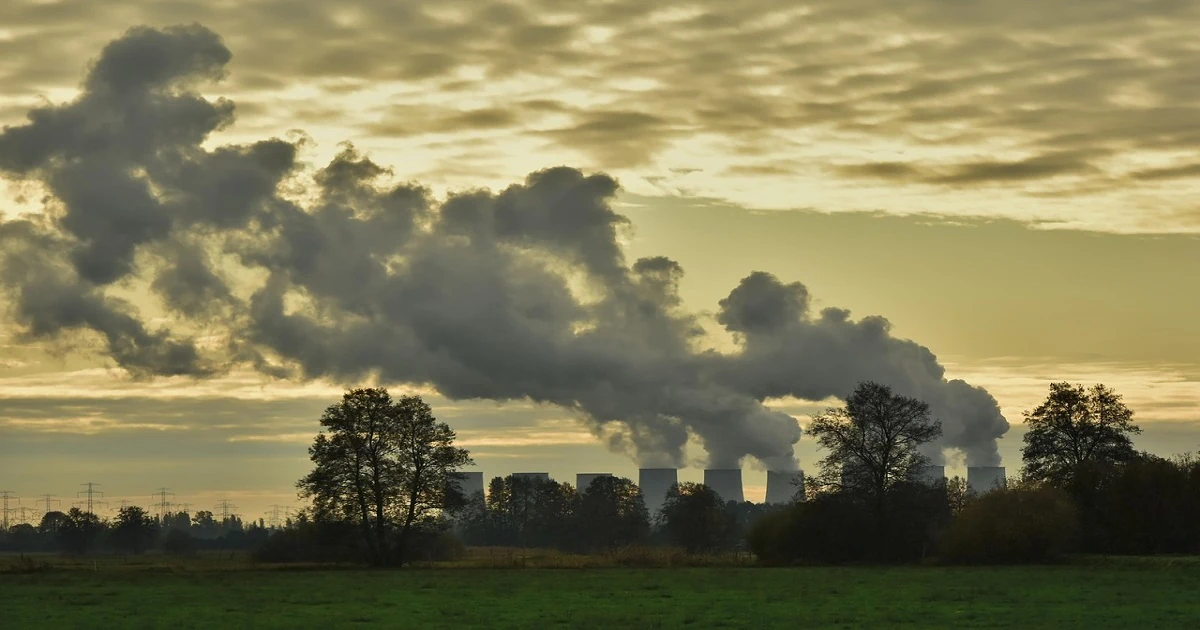
Hazardous air pollutants are harmful airborne chemicals that shape the air we breathe in our daily life. These pollutants come from traffic, factories, and even common products in our homes. They may be hard to see; however, they can still affect how we feel and how we live each day.
Understanding these threats matters because they connect directly to everyday air quality concerns. For example, they can irritate our lungs, cause headaches, and make simple routines harder, affecting our overall comfort. Children and older adults often feel these effects even more.
Furthermore, these pollutants harm plants, soil, and water. They weaken ecosystems and reduce the health of places that support our lives.
When we learn how these chemicals move through our environment, we can make better choices. Therefore, knowing the basics helps us protect our wellbeing and the world around us.
What Are Hazardous Air Pollutants?
Hazardous air pollutants, also known as harmful atmospheric chemicals, are substances that enter the air from natural and human-made activities. These toxic emissions come from vehicles, factories, and even burning waste.
They travel through the air and affect people across regions making them important for global studies.
These dangerous air toxins matter because they harm both health and nature. Governments track them to protect communities and reduce long-term damage. They also set strict rules to control releases from major industries.
Their global relevance continues to grow. Many countries face rising pollution as cities expand. Therefore, understanding these pollutants helps us see why cleaner choices matter. It also gives people a chance to support safer practices that protect the environment.
Major Types of Air Pollutants
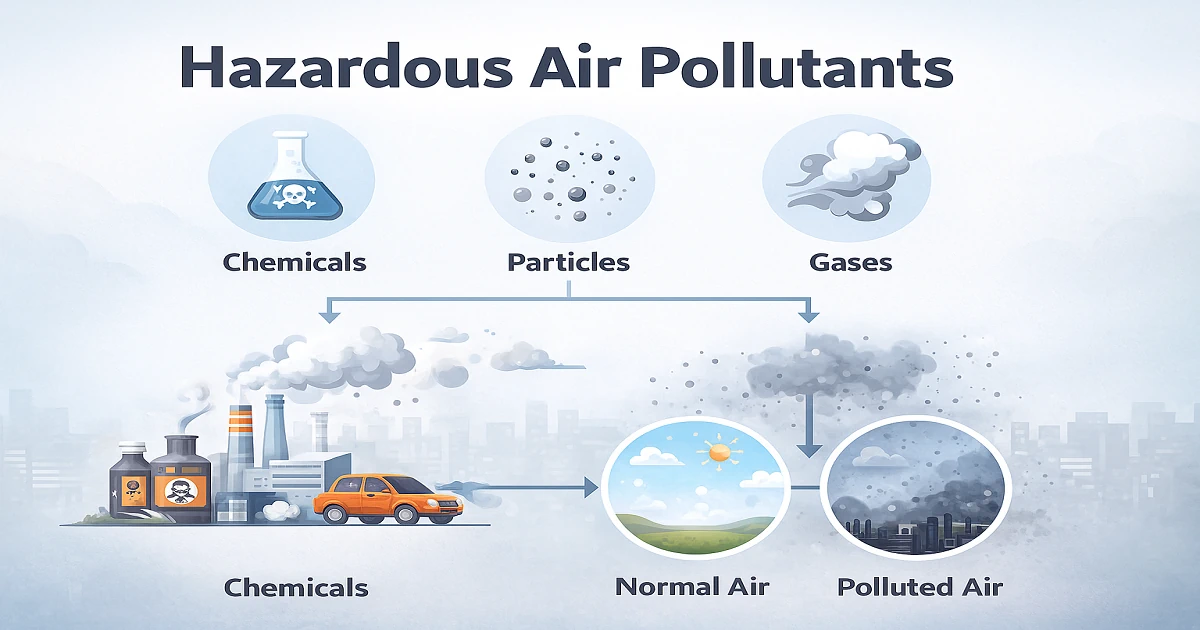
4 Major types of air pollutants are:
Particulate Matter PM2.5 and PM10
These particles are tiny pieces of dust and smoke. They enter the lungs with each breath. They may cause coughing, irritation, and discomfort. In some cases, they can also worsen asthma or other breathing issues.
Volatile Organic Compounds VOCs
These gases come from paints, sprays, fuels, and cleaners. They build up indoors when rooms lack fresh air. They also mix with outdoor emissions. For example, traffic and petrol pumps release them. They often cause headaches or irritation.
Carbon Monoxide and Nitrogen Oxides
These gases form when fuel burns in cars, stoves, or factories. They reduce oxygen levels and make breathing difficult. High levels can lead to dizziness or tiredness. They also react with sunlight and create more common air contaminants.
Sulfur Dioxide and Ground-Level Ozone
These pollutants form from burning coal and oil. They irritate the lungs and make outdoor activity harder. Air pollutants also damage plants, soil, and water. They are major pollution categories that affect both people and ecosystems.
You May Like: Importance of Ecology for Environmental Sustainability
How Hazardous Air Pollutants Affect Daily Life
Hazardous air pollutants influence daily life in many ways. They enter homes, offices, and public spaces. They travel through busy roads and outdoor areas we visit each day. This exposure grows with everyday pollutant exposure from simple actions.
Indoor spaces often trap fumes from cooking, cleaning, and heating. These activities raise air quality concerns in homes. For example, dust and smoke build up quickly in closed rooms.
Outdoor routines also bring contact with harmful air. Commuting in traffic or walking near construction sites increases exposure. Waste burning and fuel use add even more pollutants. Therefore, knowing these risks helps people make better choices for safer breathing.
Health Risks Linked to Hazardous Air Pollutants
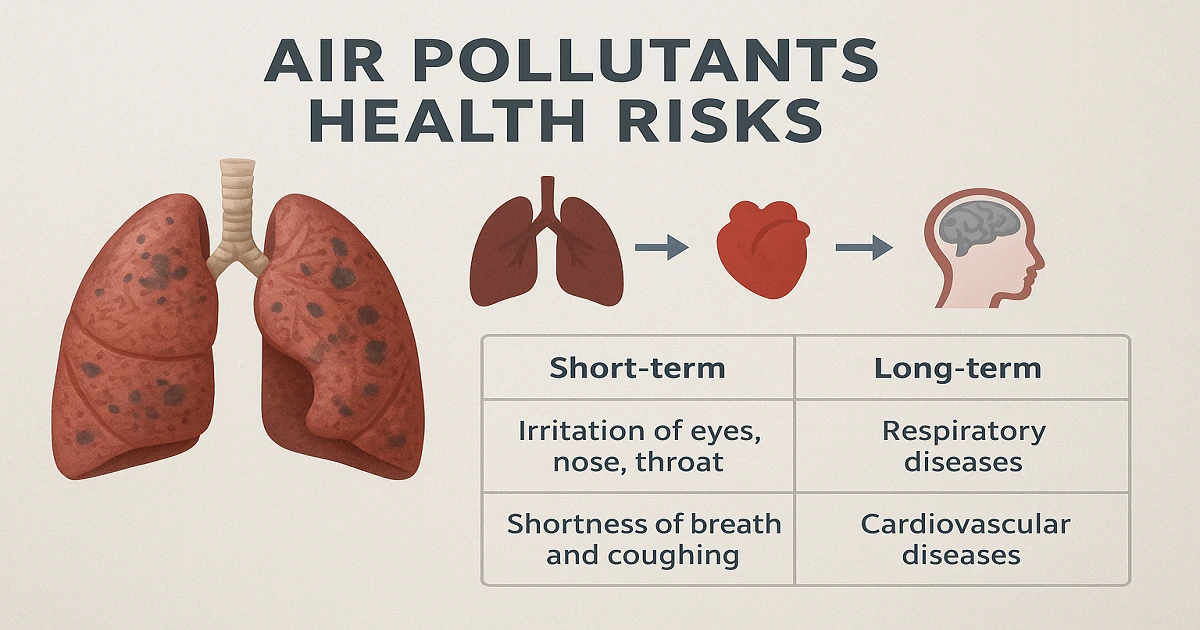
These pollutants create short-term and long-term health dangers. They irritate the lungs and throat, leading to breathing discomfort. Some people face allergies or eye irritation soon after exposure. They may also feel headaches or fatigue during the day.
Long-term contact raises deeper concerns. Dangerous levels of pollutants may harm the lungs over time. They increase respiratory threats and raise the risk of chronic breathing problems. Furthermore, they affect sensitive groups such as children and older adults.
These harmful health effects show why clean air policies matter. They also show why people need awareness about safe habits.
Common Sources of Hazardous Air Pollutants
There are several sources of harmful air pollutants:
Indoor Sources
Indoor sources include sprays, paints, heaters, and cleaning products. Cooking smoke adds even more harmful fumes. Dust collects in corners and moves into the air when disturbed. These everyday pollution sources raise causes of air quality decline inside homes.
Outdoor Sources
Outdoor sources of hazardous pollutants include vehicles, factories, and waste burning. Construction work releases dust into the air. Busy roads increase fumes during peak hours. These sources spread pollutants across large areas and affect communities.
Air Quality Standards
Air quality standards guide how clean and safe our air should be each day. These standards help communities understand when pollution levels rise and when action is needed. They also set limits for harmful gases and tiny particles that affect breathing and overall comfort.
One key measure is the amount of carbon dioxide in the air. Healthy indoor spaces usually stay near 600 to 800 parts per million. Higher levels often signal poor airflow or overcrowded rooms. Therefore, checking CO2 helps people know when to increase ventilation.
Governments also track major pollutants like ozone, nitrogen oxides, and particulate matter. These limits protect sensitive groups, including children and older adults. Furthermore, clear standards help cities build stronger plans for cleaner air.
When people understand these guidelines, they can make smarter choices that support safer living for all.
Simple Ways to Reduce Exposure
Below are simple and easy ways to reduce exposure to hazardous air pollutants. These steps help reduce air toxins and minimize breathing hazards.
Improve Indoor Air Quality
- Increase ventilation
- Reduce synthetic products
- Keep dust and smoke low
Reduce Outdoor Risks
- Avoid high-traffic hours
- Use masks in dense areas
- Support cleaner practices
Environmental Impact of Hazardous Air Pollutants
The environmental impact of hazardous air pollutants reaches far beyond what we see each day. These pollutants settle on soil and reduce its ability to support healthy crops. For example, toxic air exposure can weaken plant growth and lower food quality.
They also mix with water sources. This leads to harmful changes in rivers, ponds, and lakes. Wildlife often suffers when environmental toxins disturb feeding and breeding patterns. Birds, fish, and small animals lose balance in their habitats.
Furthermore, these environmental air threats influence climate patterns. Rising ground pollution adds heat and increases daily pollution impacts. Therefore, understanding these ecological consequences helps us protect natural systems and the life they support.
Conclusion
Hazardous air pollutants are a global concern that requires awareness and steady action. They move through homes, streets, and workplaces, affecting daily life in many hidden ways.
Small habits, however, can reduce exposure and improve health. Simple steps like better ventilation or avoiding heavy smoke make a real difference.
Communities also play a role. Cleaner choices and stronger rules support safer air for everyone. Therefore, staying informed about hazardous air pollutants helps people make wiser decisions. It also encourages a future where clean air supports healthier living for all.