Human actions shape nature every day. Some actions damage ecosystems, while others help them recover. These ecosystems depend on biodiversity, the variety of life that keeps natural systems stable. Biodiversity conservation focuses on protecting plants, animals, and the processes that support life on Earth.
Humans play a central role in biodiversity conservation because most environmental change begins with human choices. Therefore, conservation is not only a scientific task but also a shared responsibility. When people protect forests, reduce pollution, or support wildlife laws, ecosystems gain a chance to survive.
However, success depends on awareness, cooperation, and long-term commitment across societies. This makes human involvement essential at every level of conservation. From daily habits to national policies, informed decisions can reduce damage and support long-term ecological balance.
How Humans Help Conserve Biodiversity
Humans help conserve biodiversity through daily actions, community efforts, and policy support. These actions reduce pressure on ecosystems and allow species to survive. Conservation does not depend on one solution. Instead, it requires many small and large efforts working together.
However, success improves when people understand their role and act responsibly. The sections below explain how human choices directly support biodiversity protection in practical ways.
Protecting Natural Habitats and Ecosystems
Protecting habitats is one of the most effective ways humans help conserve biodiversity. Forests, wetlands, and grasslands provide food and shelter for many species. When people prevent deforestation and restore degraded land, ecosystems regain balance.
Besides, protected habitats allow species to reproduce and migrate safely. Community forest management and habitat restoration projects show how human action can directly support ecosystem recovery.
Adopting Sustainable Agriculture and Fishing Practices
Farming and fishing strongly affect biodiversity. Sustainable agriculture reduces chemical use and protects soil life. Crop rotation and organic methods help native species survive. Likewise, responsible fishing prevents overexploitation of marine life.
Catch limits and selective fishing methods protect young and non-target species. Therefore, food production can continue without exhausting natural systems.
Reducing Pollution and Resource Overuse
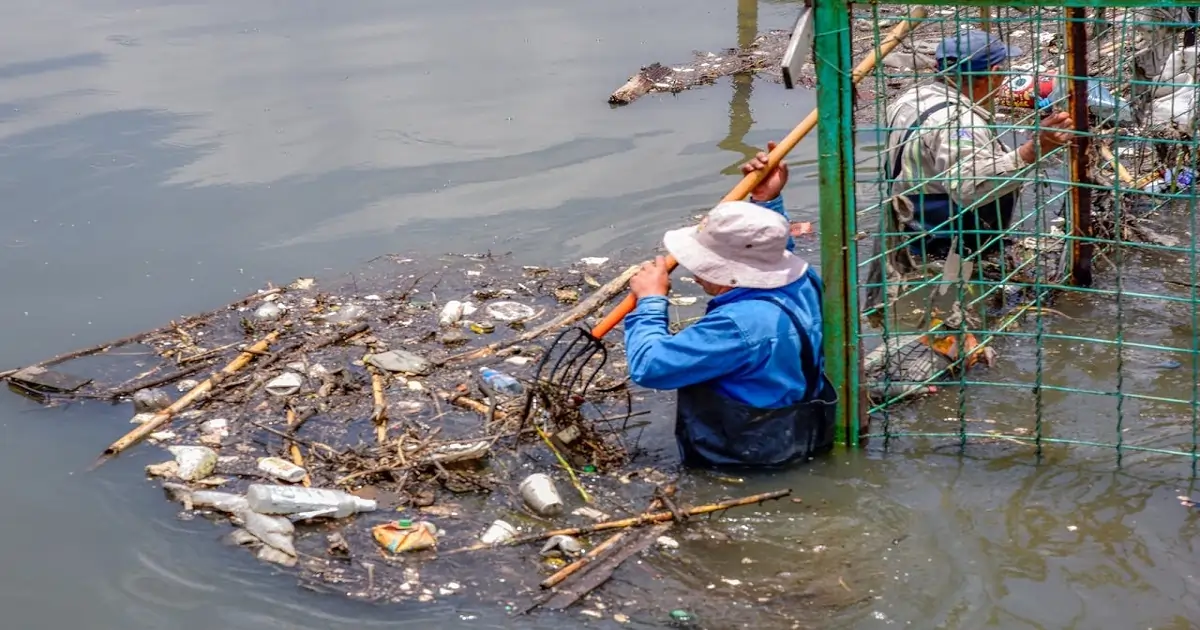
Pollution harms plants, animals, and water sources. Humans help by reducing waste, limiting plastic use, and conserving energy. Cleaner production methods lower air and water pollution.
In addition, careful use of natural resources prevents ecosystem stress. Small changes, such as saving water and reducing fuel use, support biodiversity protection over time.
Supporting Conservation Policies and Protected Areas
Laws and policies guide biodiversity protection. When people support conservation policies, protected areas become effective. National parks and wildlife reserves limit harmful activities.
Besides, community support improves enforcement and long-term success. Public participation ensures that conservation efforts remain practical and inclusive.
Promoting Environmental Education and Awareness
Education shapes responsible behavior. When people understand biodiversity loss, they make informed choices. Schools, media, and local programs spread awareness. Furthermore, informed communities support conservation efforts. Awareness turns concern into action.
Why Human Involvement Is Essential for Biodiversity Conservation
The preservation of biodiversity cannot be achieved without active human participation. Humans are the main drivers of environmental change. However, they also have the ability to reduce damage and restore ecosystems.
As the dominant species on Earth, people hold both power and responsibility. Daily choices influence land use, pollution levels, and resource demand. Therefore, conservation depends on informed and responsible human behavior, which is better understood in biodiversity and its overall role.
Humans as Ecosystem Stewards
Humans shape ecosystems through development, farming, and industry. This influence can harm or protect nature. Stewardship means managing resources carefully and thinking long term.
When communities protect forests and water sources, ecosystems remain stable. Besides, stewardship supports species survival and ecological balance.
Interdependence Between Human Well-being and Biodiversity
Human well-being depends on healthy ecosystems. Clean air, fertile soil, and stable climates rely on biodiversity. When ecosystems decline, human livelihoods suffer.
Therefore, protecting biodiversity also protects future generations. This connection makes human involvement essential for lasting conservation.
Key Roles of Humans in Biodiversity Conservation
Humans play many roles in biodiversity conservation, ranging from policy decisions to local actions. These roles shape how land, water, and wildlife are managed. When people act responsibly, ecosystems gain resilience.
However, conservation weakens when short-term needs override long-term balance. The sections below explain how human involvement supports biodiversity protection at different levels.
Legal Frameworks and Conservation Policies
Laws and policies provide structure for biodiversity conservation. Governments set rules to limit habitat destruction and species exploitation. International cooperation also guides national efforts. Agreements under the Convention on Biological Diversity encourage countries to protect ecosystems and use resources wisely.
Besides, clear policies help balance development with conservation goals. When people support such frameworks, enforcement improves. Therefore, legal systems remain a key human role in protecting biodiversity.
Protected Areas and Wildlife Conservation Efforts
Protected areas safeguard habitats from harmful activities. National parks, wildlife reserves, and community forests provide safe spaces for species to thrive. These areas reduce human pressure on fragile ecosystems.
Also, protected zones support breeding and migration. When local communities help manage reserves, conservation becomes more effective. Such efforts show how planned protection supports long-term biodiversity survival.
Community Participation and Local Action
Local communities often manage natural resources directly. Community forestry allows people to protect forests while meeting daily needs. Local stewardship encourages responsible land and water use. Grassroots conservation projects restore habitats and monitor wildlife.
Besides, community involvement builds ownership and trust. When people protect nearby ecosystems, conservation outcomes improve and remain sustainable.
Indigenous Knowledge and Traditional Practices
Indigenous communities hold deep ecological knowledge. Their practices often support sustainability and balance. Traditional land management respects natural cycles and species diversity.
In addition, long-term observation guides careful resource use. When conservation includes indigenous knowledge, ecosystems remain healthier. This approach supports biodiversity while respecting cultural heritage and ecological balance.
Role of Education, Awareness, and Citizen Action
Education and awareness shape how people interact with nature. Informed citizens make better choices that reduce harm to ecosystems.
However, knowledge must turn into action to create impact. Education, awareness, and citizen involvement help bridge this gap.
Environmental Education and Behaviour Change
Environmental education builds understanding of biodiversity challenges. Schools, media, and local programs explain how daily habits affect nature. When people learn about conservation, behavior begins to change.
For example, reducing waste and saving water support ecosystems. Besides, guidance on practical actions, such as ways to preserve biodiversity, helps people contribute meaningfully. Over time, informed behavior supports long-term conservation goals.
Citizen Science and Volunteer Participation
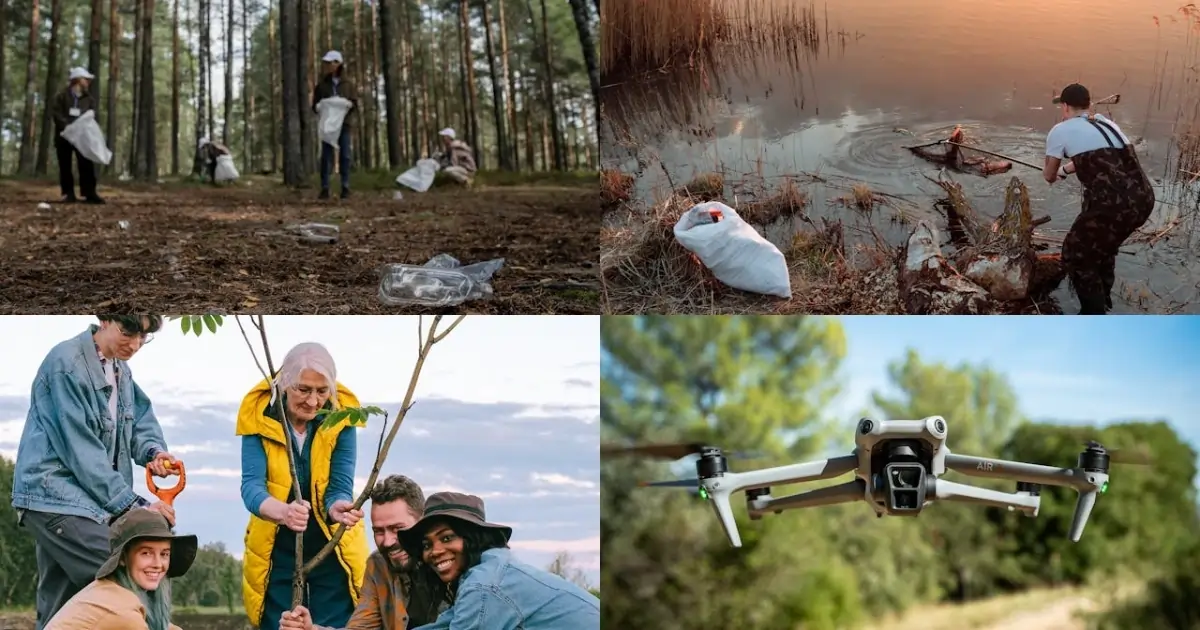
Citizen science allows people to support research and monitoring. Volunteers collect data on species and habitats. This information helps scientists track changes. Also, volunteer programs restore ecosystems and raise awareness.
Participation builds a sense of responsibility. When citizens engage directly, conservation becomes a shared effort rather than a distant goal.
Technology and Innovation in Biodiversity Conservation
Technology supports biodiversity conservation by improving knowledge and response. New tools help track species, assess risks, and guide decisions. However, technology works best when paired with strong policies and local action.
The sections below explain how innovation supports conservation in practical ways.
Digital Monitoring and Remote Sensing

Digital tools help observe ecosystems over large areas. Satellites track forest loss, water change, and habitat health. Remote sensing detects threats early, such as illegal logging. Furthermore, drones monitor wildlife without disturbance. These tools reduce guesswork and improve planning.
Therefore, conservation actions become timely and precise. When data is shared openly, collaboration improves across regions.
Conservation Genetics and Data Analytics
Genetic tools help protect species diversity. Scientists study genes to understand population health. This information guides breeding and recovery plans. Data analytics also reveal trends across ecosystems.
Besides, large datasets improve risk prediction. When evidence guides action, conservation becomes more effective and accountable.
Challenges Humans Face in Conserving Biodiversity
Despite progress, conservation faces persistent challenges. Human needs, weak systems, and global gaps slow results. Addressing these limits requires coordination and long-term commitment.
Economic Pressures and Development Conflicts
Economic growth often competes with conservation. Infrastructure and agriculture can damage habitats. Short-term gains may outweigh long-term costs. However, poor planning increases ecosystem loss.
Balancing development and protection remains difficult. Sustainable choices require policy support and social agreement.
Weak Enforcement and Limited Funding
Many conservation laws lack strong enforcement. Limited funding reduces monitoring and protection. Besides, understaffed agencies struggle to respond. Weak systems allow illegal activities to continue. Without resources, conservation plans fail to deliver results.
Global Coordination Challenges
Biodiversity loss crosses borders. Yet, countries often act alone. Different priorities slow joint action. In addition, data sharing remains uneven. Stronger coordination is essential for global impact.
Practical Solutions and the Way Forward
Long-term biodiversity protection needs integrated solutions. Policies must align with development goals. Systems-level planning reduces conflict and improves resilience. Climate and biodiversity strategies should work together. Global frameworks support this coordination. The United Nations Framework Convention on Climate Change highlights links between climate action and ecosystem stability.
When policies integrate conservation across sectors, ecosystems recover faster. Sustainable development planning also supports long-term resilience.
Conclusion
Humans play a decisive role in biodiversity conservation. Their actions can either weaken ecosystems or help them recover. Throughout this discussion, human responsibility has emerged across policy, community action, education, and innovation.
However, conservation efforts continue to face challenges such as development pressure, limited resources, and coordination gaps. Addressing these issues requires long-term planning and shared commitment. When policies align with sustainable development, ecosystems gain stability.
Besides, informed communities and supportive institutions strengthen conservation outcomes. Biodiversity protection is not a single effort but a continuous process. Future progress depends on cooperation across sectors and regions.
With consistent action and responsible decision-making, humans can reduce biodiversity loss and support resilient ecosystems. This balanced approach offers a practical path toward sustaining nature for present and future generations.