Biodiversity is declining at an alarming rate across the planet. Forests shrink, oceans warm, and many species face extinction. These changes threaten ecosystems and also affect human survival. Therefore, biodiversity conservation has become an urgent global priority.
To protect life on Earth, scientists and policymakers use two main conservation strategies. One approach safeguards species in their natural habitats. The other protects them outside the wild in controlled environments. These approaches are known as in situ and ex situ conservation of biodiversity.
Each method plays a unique role in protecting species and ecosystems. However, they work best when understood clearly and applied wisely.
This article explains the meaning, methods, and differences between in situ and ex situ conservation. It also shows how these strategies help protect species and support long-term conservation efforts.
Biodiversity Conservation and Why It Matters?
Biodiversity conservation focuses on protecting the wide variety of life on Earth. It includes plants, animals, and microorganisms. Each form of life supports natural systems that humans depend on daily. Therefore, protecting biodiversity is not optional. It is essential for environmental stability and human well-being.
Healthy ecosystems provide food, clean air, water, and climate regulation. Besides, they help nature recover from shocks like floods or droughts. When biodiversity declines, ecosystems weaken. As a result, nature becomes less able to support life. Biodiversity protection is closely linked to ecosystem health and long-term sustainability.
Role of Biodiversity in Ecosystem Stability
Biodiversity helps ecosystems stay balanced and productive. Different species perform different roles. Plants produce oxygen and food. Insects pollinate crops. Predators control population growth. Together, they maintain ecological balance.
Also, diverse ecosystems are more resilient. They can adapt better to changes such as climate shifts or disease outbreaks. If one species declines, others may fill its role. Therefore, biodiversity supports ecosystem services that humans rely on every day. Strong ecosystem health also improves species survival in changing environments.
Growing Threats to Biodiversity Worldwide
Biodiversity faces serious threats across the globe. Habitat loss is one of the biggest problems. Forests are cleared for farming, roads, and cities. As habitats shrink, species lose shelter and food.
Climate change adds further pressure. Rising temperatures and shifting rainfall disrupt natural cycles. Besides, overexploitation harms many species. Overfishing, hunting, and illegal trade reduce populations faster than they can recover. Together, these threats weaken biodiversity protection efforts and endanger species survival worldwide.
What Is In Situ Conservation of Biodiversity?
In situ conservation of biodiversity focuses on protecting species in their natural habitats. It allows plants and animals to live where they evolved. This approach supports natural interactions between species and their environment, aligning with the internationally recognized definition of in situ conservation under the Convention on Biological Diversity. As a result, ecosystems continue to function normally.
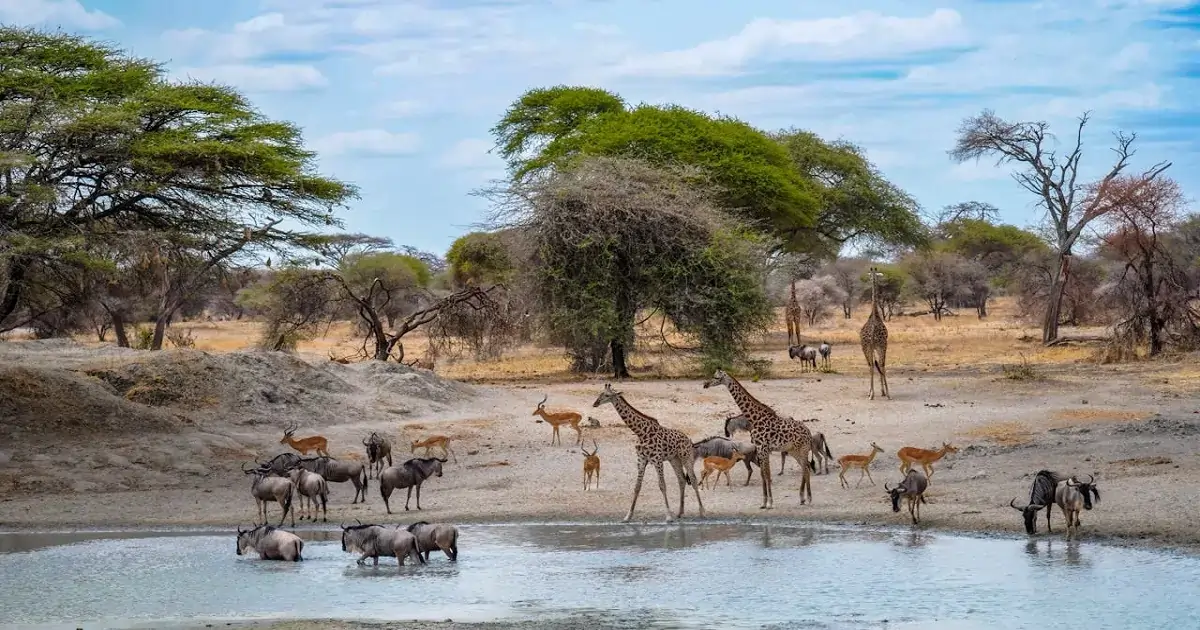
In situ conservation is often seen as the most effective long-term strategy. It preserves entire ecosystems, not just individual species. Besides, it supports natural adaptation and evolution. Therefore, this method plays a key role in maintaining ecosystem health and biodiversity protection, as emphasized in Article 8 (In-situ Conservation) of the Convention on Biological Diversity.
Meaning and Core Principles of In Situ Conservation
In situ conservation means conserving species within their original environments. Forests, grasslands, wetlands, and oceans remain intact. Species continue their life cycles without artificial interference, which aligns with the core principles of the Convention on Biological Diversity.
A key principle is ecological continuity. Natural relationships between predators, prey, and plants remain balanced. Another principle is evolutionary continuity. Species adapt naturally to environmental changes over time. Furthermore, conserving habitats helps protect genetic diversity, which is essential for long-term species survival.
Common Examples of In Situ Conservation
Protected areas are the most common form of in situ conservation. National parks safeguard large natural landscapes. Wildlife sanctuaries protect specific species and habitats.
Biosphere reserves combine conservation with sustainable human activity. Local communities often participate in protection efforts. Besides, marine protected areas conserve ocean ecosystems. These examples show how in situ conservation of biodiversity works across land and sea.
Why In Situ Conservation Is Critical for Long-Term Survival
In situ conservation supports natural behavior and survival skills. Species learn to find food and avoid threats naturally. This improves their ability to survive environmental changes.
Also, conserving habitats benefits many species at once. Therefore, in situ conservation offers a stable and long-lasting solution for biodiversity protection.
What Is Ex Situ Conservation of Biodiversity?
Ex situ conservation of biodiversity protects species outside their natural habitats. This approach is used when survival in the wild becomes difficult or impossible. It provides safe conditions for threatened species, in line with the principles of the Convention on Biological Diversity.
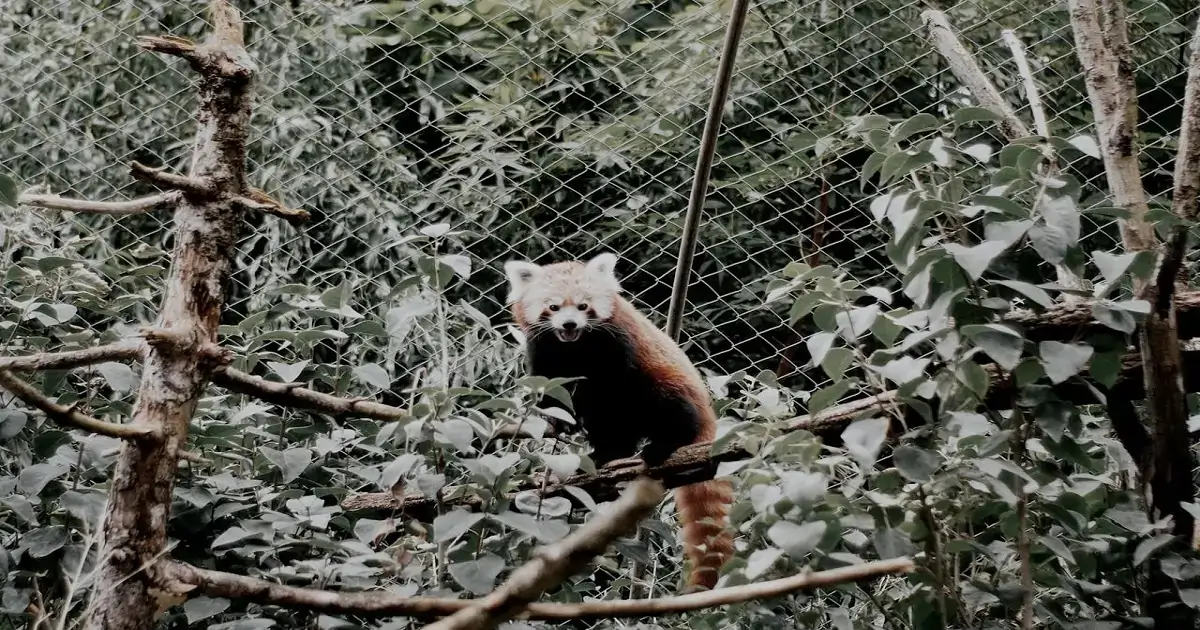
Ex situ methods act as a backup system. They prevent complete extinction when habitats are destroyed. Besides, they support scientific research and education. Although not a replacement for in situ efforts, ex situ conservation plays an important supporting role as outlined in Article 9 of the Convention on Biological Diversity.
Meaning and Scope of Ex Situ Conservation
Ex situ conservation involves controlled environments managed by humans. Species are protected outside natural ecosystems. Conditions such as temperature, food, and breeding are carefully managed to ensure survival.
The scope includes preserving individuals, seeds, or genetic material. This helps maintain genetic diversity. Furthermore, it allows scientists to study species closely. Knowledge gained through these efforts can later support conservation and reintroduction programs in the wild.
Examples of Ex Situ Conservation Practices
Zoos protect endangered animals and support structured breeding programs. Botanical gardens conserve rare and threatened plants. Seed banks store seeds for future restoration efforts.
Gene banks preserve DNA, tissues, or cells. These facilities protect species from sudden disasters such as habitat loss, disease, or climate extremes. Together, these practices strengthen ex situ conservation of biodiversity across the world.
When Ex Situ Conservation Becomes Necessary
Ex situ conservation is used when habitats are destroyed or unsafe. Species facing immediate extinction often require urgent protection outside their natural range.
It is also useful for species with very small populations. In such cases, controlled breeding helps rebuild numbers. Therefore, ex situ methods provide a critical lifeline for species survival when in situ conservation alone is not sufficient.
Difference Between In Situ and Ex Situ Conservation of Biodiversity
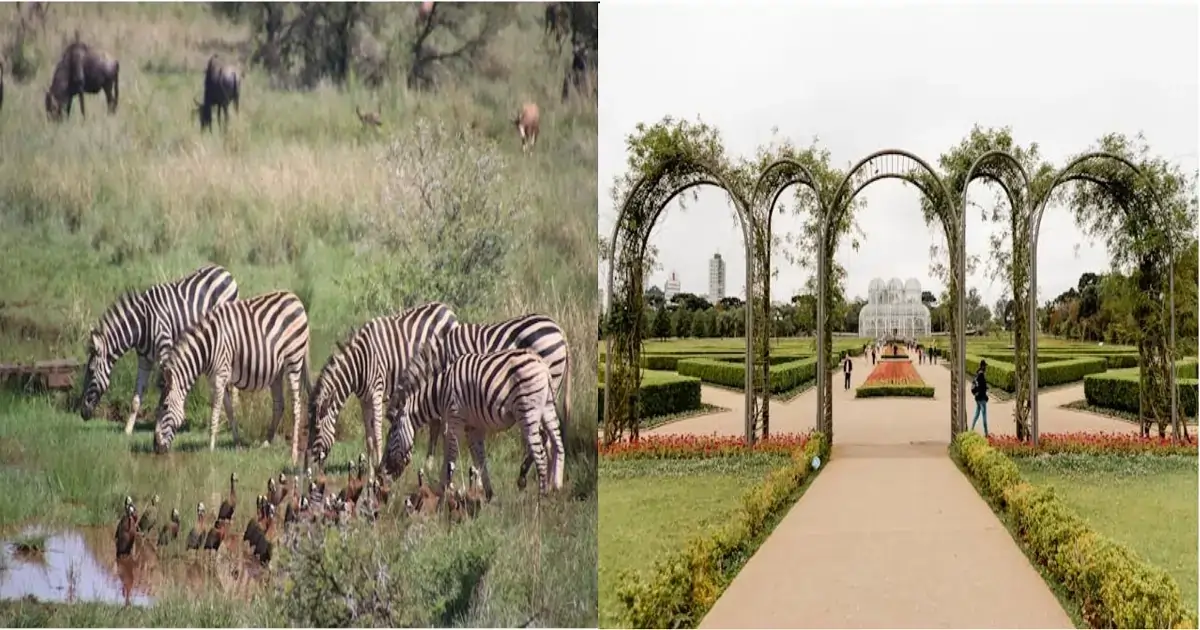
Biodiversity conservation uses different approaches to protect life on Earth. Two widely used strategies are in situ and ex situ conservation. At first, they may sound similar. However, they work in very different ways.
One protects species in nature, while the other protects them outside it. Understanding this difference helps explain how conservation decisions are made. It also shows why no single method is enough. Some species need natural habitats to survive. Others need urgent care in controlled settings.
Therefore, learning how these approaches differ helps readers understand real conservation actions. This section explains the difference between in situ and ex situ conservation in simple terms. It also highlights when and why each approach is used.
Key Differences Explained in Simple Terms
The difference between in situ and ex situ conservation lies mainly in where protection happens.
In situ conservation protects species in their natural habitats. Forests, oceans, and grasslands remain intact. Ex situ conservation protects species outside nature, such as in zoos or seed banks. In situ methods support natural behavior and evolution. Ex situ methods focus on survival under human care.
In addition, in situ conservation protects whole ecosystems. Ex situ conservation usually focuses on selected species. Therefore, in situ vs ex situ conservation differs in location, purpose, and level of human involvement.
In Situ vs Ex Situ Conservation
1. Location of conservation
In situ works within natural habitats. Ex situ works outside natural environments.
2. Level of human intervention
In situ needs minimal human control. Ex situ depends heavily on human management.
3. Cost and resource requirements
In situ often costs less over time. Ex situ requires high infrastructure and maintenance.
4. Species adaptability and survival
In situ supports natural adaptation. Ex situ limits natural behavior but ensures safety.
5. Suitability for endangered species
In situ suits stable populations. Ex situ helps species facing immediate extinction.
Methods of In Situ and Ex Situ Biodiversity Conservation
Conservation approaches depend on specific methods to protect species effectively. These methods address habitat loss, population decline, and genetic erosion.
Some methods work best in nature. Others work better under controlled care. Together, they form the core methods of biodiversity conservation. Each method serves a clear purpose. Some protect landscapes. Others preserve genetic material.
Understanding these methods helps explain how conservation works on the ground. It also shows how science and planning support biodiversity protection worldwide.
Major In Situ Conservation Methods
Protected areas are the most common in situ method. National parks and sanctuaries protect large ecosystems. They allow species to live naturally. Habitat restoration is another key method. Degraded forests, wetlands, and grasslands are repaired. This helps species return and recover.
Wildlife corridors also play an important role. They connect fragmented habitats. Animals can move safely between areas. This reduces isolation and supports breeding. Together, these in situ methods protect ecosystems, species interactions, and long-term ecological balance.
Major Ex Situ Conservation Methods
Captive breeding is a widely used ex situ method. Endangered animals are bred under controlled care. This increases population numbers. Seed banks and cryopreservation focus on plants and genetic material. Seeds are stored under safe conditions for future use.
Cryopreservation stores cells or tissues at very low temperatures. These methods protect biodiversity from sudden disasters. They also support research and future reintroduction efforts. Therefore, ex situ methods act as insurance for species survival.
Why Both Conservation Approaches Are Needed Together
In situ and ex situ conservation should not be viewed as competing approaches. Instead, they work best when combined. In situ conservation protects ecosystems and natural processes. Ex situ conservation provides safety when nature alone is not enough. Research on integrated in situ and ex situ conservation approaches shows that coordinated use of both methods improves long-term species survival and recovery.
For example, species rescued through captive breeding can later be reintroduced into protected habitats. This creates a continuous conservation cycle. Therefore, cooperation between methods strengthens conservation success and reduces extinction risk.
Both approaches also address different threats. Habitat loss requires in situ protection. Sudden population collapse requires ex situ support. When combined, they create a balanced system that supports resilience and recovery.
At this stage, linking to a comprehensive guide on biodiversity conservation strategies helps readers understand threats and long-term sustainability. Together, in situ and ex situ conservation form a complete framework for protecting biodiversity now and in the future.
Real-World Case Studies of Biodiversity Conservation
Biodiversity conservation is not only a theory. It produces visible results across the world. Many conservation success stories show how timely action can reverse damage.
Some efforts protect species in nature. Others save them under human care. Together, these cases highlight real species recovery and long-term impact. They also show how science, policy, and local support work together.
In Situ Conservation Success Stories
In situ conservation shows clear success when habitats receive long-term protection. In India, tiger populations rebounded in reserves such as Jim Corbett National Park after strict anti-poaching measures and habitat restoration. As forest cover improved, prey species returned. Therefore, the entire ecosystem regained balance.
Similarly, elephant corridors in the Western Ghats, one of the biodiversity hotspots in India, reduced habitat fragmentation and human–wildlife conflict. Besides forests, marine protection also delivered results. In India’s coastal waters, protected zones in the Gulf of Mannar helped fish populations recover by safeguarding breeding grounds.
These conservation success stories show how protecting ecosystems directly supports endangered species protection and natural species recovery.
Ex Situ Conservation Success Stories
When survival in the wild becomes impossible, ex situ conservation offers a critical lifeline.
In India, captive breeding programs helped restore populations of the Indian gharial, once pushed close to extinction. After controlled breeding, individuals were reintroduced into protected river systems. As a result, wild populations slowly stabilized.
Plant conservation also shows strong results. National seed banks preserve native crop varieties threatened by drought and climate stress. Furthermore, global facilities like the Svalbard Global Seed Vault provide backup security for food crops. Together, these examples prove that ex situ methods support species recovery when natural systems alone cannot cope.
Advantages and Limitations of In Situ and Ex Situ Conservation
Both conservation approaches offer clear benefits. However, each also has limits. Understanding both helps choose the right strategy.
Advantages and Limitations of In Situ Conservation
In situ conservation protects whole ecosystems. Species behave naturally and adapt over time. It also supports long-term sustainability. Costs are often lower after protection begins.
However, success depends on stable habitats. Climate change and human pressure can reduce effectiveness. Also, some species decline too fast for natural recovery alone.
Advantages and Limitations of Ex Situ Conservation
Ex situ conservation offers immediate protection. It prevents total extinction during crises. Controlled care improves breeding success. Research and education also benefit.
However, costs are high and space is limited. Natural behaviors may weaken over time. Reintroduction can also be challenging. Therefore, ex situ methods work best as support, not replacement.
Conclusion
In situ and ex situ conservation address biodiversity loss in different but connected ways. One protects species within natural ecosystems. The other provides safety when survival in the wild becomes uncertain. Their methods, strengths, and limits clearly differ. However, both aim to prevent extinction and support recovery.
Real-world success stories show that these approaches work best together. Protected habitats have helped wildlife return. Captive breeding and seed banks have saved species from disappearance. These examples highlight shared responsibility. Governments, scientists, local communities, and individuals all play vital roles.
Looking ahead, effective conservation depends on balanced planning and long-term commitment. When nature-based protection and human-supported care are combined, biodiversity has a stronger chance to survive, adapt, and thrive in a changing world.