Biodiversity conservation focuses on protecting the variety of life on Earth and the ecosystems that support it. Biodiversity includes plants, animals, and microorganisms, all of which play essential roles in maintaining ecological balance. From forests to oceans, natural systems depend on this diversity to function effectively.
The need for conservation arises because these systems directly support human life. Food production, clean water, climate regulation, and many medicines all rely on healthy ecosystems. As a result, conserving biodiversity is not optional but necessary for environmental stability and human well-being.
However, this task is becoming increasingly complex. Habitat loss, climate change, pollution, and overuse of natural resources are placing growing pressure on ecosystems. These challenges weaken ecological systems and increase risks for both nature and people.
What Is Biodiversity?
Biodiversity refers to the variety of life found on Earth. It includes plants, animals, microorganisms, and the natural systems they form together. This diversity exists in forests, oceans, rivers, grasslands, and even urban areas.
Living organisms do not exist in isolation. They interact with air, water, soil, and climate. These interactions create ecosystems that support life. Biodiversity helps ecosystems stay productive and balanced over time.
Plants produce oxygen and form the base of food chains. Animals help with pollination, seed dispersal, and population control. Microorganisms break down waste and recycle nutrients. Each group supports the others in visible and invisible ways.
Because of this, biodiversity underpins life on Earth. It operates across genetic, species, and ecosystem levels, which together shape how natural systems function and respond to change. When diversity is high, ecosystems adapt better to change. However, when biodiversity declines, ecosystems lose stability and become fragile.
Biodiversity also supports daily human needs. Food, clean water, fertile soil, and natural medicines all depend on healthy ecosystems. Therefore, understanding biodiversity is essential before discussing why its loss creates serious risks.
This overview provides the foundation needed to understand why protecting biodiversity has become so important.
What Is Conservation of Biodiversity?
Conservation of biodiversity means protecting the variety of life on Earth and the systems that support it. It involves caring for plants, animals, microorganisms, and their habitats. The goal is to keep ecosystems healthy and functioning over time.
However, conservation is more than preservation. Preservation focuses on keeping nature untouched. Conservation allows careful use while preventing damage. This approach recognizes that people depend on nature for survival.
Biodiversity conservation is needed because natural systems are under constant pressure. Forests are cleared, rivers are polluted, and species lose safe spaces. When this happens, ecosystems struggle to recover.
Besides protecting species, conservation also safeguards ecosystem processes. These processes include pollination, soil formation, and water purification. Without them, food production and clean water supplies decline.
There is also a direct link between biodiversity loss and human survival. Reduced biodiversity weakens ecosystems that regulate climate and control diseases. As a result, communities face higher risks from floods, droughts, and food shortages.
Therefore, the conservation of biodiversity supports both nature and people. It helps ecosystems remain stable while ensuring resources remain available for future generations.
Levels of Biodiversity
Biodiversity exists at different levels, and each level contributes to the stability of life on Earth. These levels include genetic, species, and ecosystem diversity. Together, they shape how ecosystems function and respond to change.
Genetic diversity refers to variations within a species. These variations allow organisms to adapt to environmental changes and survive natural stresses. When genetic diversity is low, species become more vulnerable to diseases and shifting conditions. Maintaining genetic diversity supports long-term survival and resilience within populations.
Species diversity describes the variety of species living within an ecosystem. Each species plays a specific role that helps maintain balance. When species are lost, food chains weaken and ecosystems become less stable. Higher species diversity improves the ability of ecosystems to recover from disturbances.
Ecosystem diversity refers to the presence of different habitats such as forests, wetlands, oceans, and grasslands. Each ecosystem provides essential services, including climate regulation, water storage, and soil protection. Protecting ecosystem diversity helps ensure these life-support systems continue to function across regions.
Why Is Biodiversity Conservation Important?
Biodiversity conservation is important because it supports the systems that make life possible. Healthy ecosystems provide essential services that humans often take for granted.
Ecological Importance
Biodiversity keeps ecosystems stable. Different species perform different functions, which helps ecosystems remain balanced.
Nutrient cycles depend on biodiversity. Microorganisms break down waste and return nutrients to the soil. Plants then use these nutrients to grow.
Biodiversity also supports climate regulation. Forests absorb carbon dioxide, while oceans regulate temperature. When biodiversity declines, these natural controls weaken.
Furthermore, diverse ecosystems are more resilient. They can adapt to changes and recover from disturbances more effectively.
Economic Importance
Many economic activities depend on biodiversity. Agriculture relies on diverse crops, healthy soils, and pollinators. Without them, food production suffers.
Medicines also come from nature. Many treatments are derived from plants, animals, and microorganisms. Losing species reduces future medical options.
Livelihoods depend on biodiversity as well. Fishing, farming, and tourism support millions of people worldwide.
Biodiversity supports food systems, clean water, and economic stability, which explains why biodiversity is important.
Cultural and Social Importance
Biodiversity holds cultural value for many communities. Indigenous knowledge is closely tied to local plants and animals.
Traditions, festivals, and spiritual practices often depend on nature. Losing biodiversity also means losing cultural identity.
Besides this, natural beauty supports tourism and recreation. Landscapes, wildlife, and ecosystems contribute to mental well-being and social connection.
Therefore, the importance of biodiversity conservation extends beyond nature. It shapes economies, cultures, and the quality of human life.
Major Challenges in Biodiversity Conservation
Biodiversity conservation faces growing pressure across the world. Human activities and environmental changes continue to disturb natural systems. As a result, ecosystems struggle to function as they once did.
Many of these pressures act together. When one challenge increases, others often follow. This makes conservation more complex and urgent.
Habitat Loss and Fragmentation
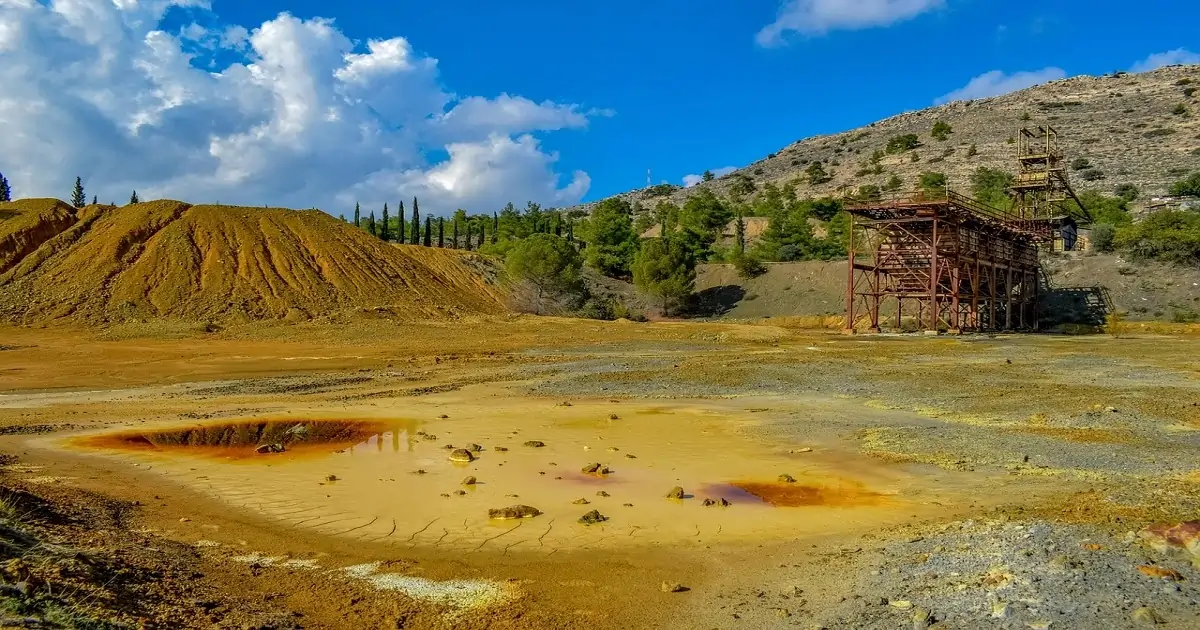
Habitat loss is one of the biggest challenges to biodiversity conservation. Forests are cleared for farming, mining, and infrastructure. This removes shelter and food sources for many species.
Urban expansion also breaks habitats into smaller pieces. Roads and buildings divide ecosystems into isolated patches. Therefore, animals struggle to migrate, find mates, or access resources.
Fragmentation weakens ecosystems over time. Smaller habitats cannot support healthy populations for long.
Climate Change
Climate change affects biodiversity in many ways. Rising temperatures alter weather patterns and seasonal cycles. Many species cannot adjust quickly enough.
Species migration mismatch is another concern. Plants may shift locations slower than animals. As a result, food sources may disappear when animals arrive.
Besides this, extreme events like droughts and floods increase stress on ecosystems.
Pollution
Pollution damages air, water, and soil quality. Industrial waste and plastics enter rivers and oceans. This harms aquatic life and disrupts food chains.
Soil pollution reduces fertility and affects plant growth. Air pollution also affects forests and crops. Over time, polluted environments support fewer species.
Overexploitation of Natural Resources
Overexploitation occurs when resources are used faster than they can recover. Overfishing reduces fish populations and affects marine balance. Logging removes large forest areas in short periods.
Wildlife trade places additional pressure on rare species. Therefore, many populations decline before conservation actions begin.
Invasive Species
Invasive species spread beyond their natural ranges. They often outcompete native species for space and food. This leads to ecosystem disruption.
Native species decline when invasive organisms dominate. Many conservation groups identify these pressures as key threats to biodiversity, which continue to accelerate global biodiversity loss.
In situ and ex situ approaches are also used to address some of these pressures, depending on the species and habitat involved.
Conservation of Biodiversity in India
India is one of the world’s most biodiverse countries. It hosts a wide range of ecosystems, from tropical rainforests to alpine meadows. Several regions within these ecosystems fall under biodiversity hotspots in India, where exceptional species richness and endemism require focused conservation efforts. This richness supports thousands of plant and animal species.
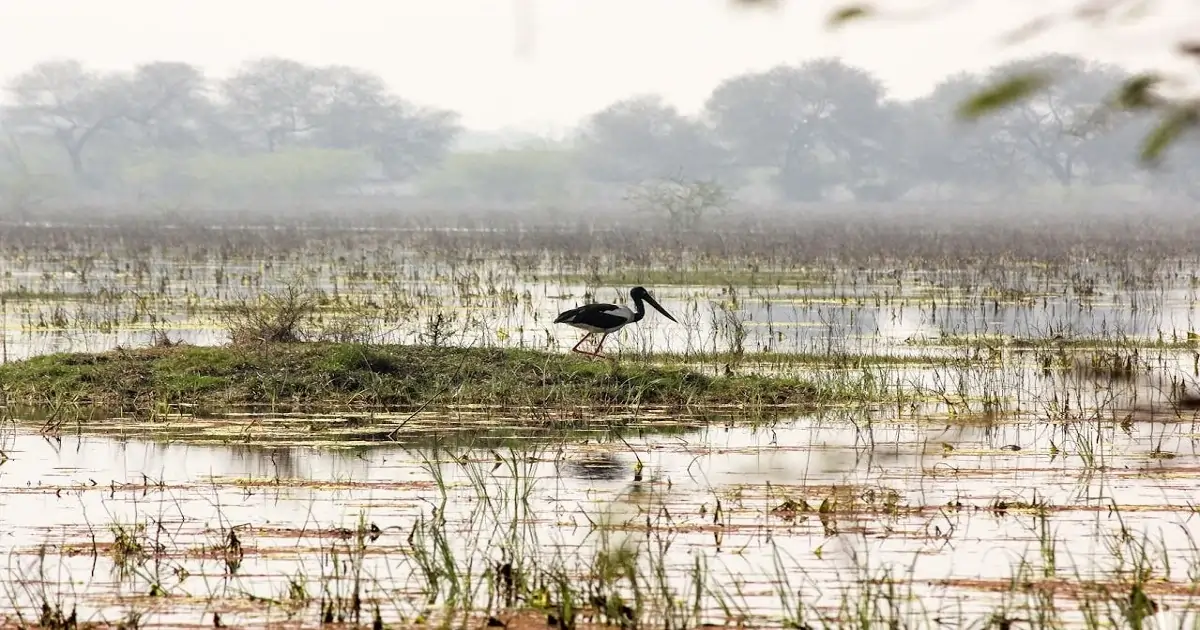
The country has established an extensive network of protected areas. These include national parks, wildlife sanctuaries, and biosphere reserves. Such areas help protect habitats and endangered species.
Flagship species play an important role in conservation awareness. Animals like the Bengal tiger, Asiatic lion, and Indian rhinoceros attract global attention. Their protection also benefits entire ecosystems.
Government support is central to biodiversity conservation in India. Research institutions, gene banks, and conservation projects strengthen scientific understanding. Efforts focusing on habitat restoration and species protection continue to expand.
India has also invested in science-led conservation programs. These include biodiversity research, ecosystem monitoring, and community-based initiatives. Such efforts highlight government research and biodiversity conservation initiatives that link science with field action.
Non-governmental organizations support these efforts at the grassroots level. They work on wildlife protection, habitat restoration, and public awareness. Collaboration between government agencies and NGOs improves conservation outcomes.
Therefore, biodiversity conservation in India combines policy, science, and community involvement. This integrated approach helps protect natural heritage while supporting sustainable development.
Why Conserving Biodiversity Is Becoming More Difficult Today
Conserving biodiversity is becoming harder as development pressures increase. Cities expand, roads spread, and industries grow. Therefore, natural habitats often lose priority in planning decisions.
Economic growth often competes with conservation goals. Land is cleared to meet housing, energy, and food demands. However, environmental costs are rarely felt immediately, which delays action.
Policy gaps also create obstacles. Conservation laws may exist, but enforcement remains uneven. Besides this, coordination between agencies is often weak, which slows progress.
Public awareness presents another challenge. Many people depend on nature but feel disconnected from it. As a result, biodiversity loss seems distant, even when impacts are nearby.
Funding limitations further complicate conservation efforts. Protecting ecosystems requires long-term investment. However, conservation budgets often fall behind other development priorities.
Climate change adds pressure to all these issues. Rising temperatures and extreme events strain ecosystems already under stress. Therefore, conservation efforts must work harder to achieve the same results.
Together, these factors make biodiversity conservation more complex today. Addressing them requires balanced development, stronger policies, informed communities, and sustained financial support.
Conclusion
Biodiversity conservation matters because it supports life systems that people rely on every day. Healthy ecosystems provide food, clean water, stable climates, and natural protection from disasters. When biodiversity declines, these benefits weaken.
Today, the need for conservation is more urgent than ever. Habitat loss, climate change, and pollution continue to increase. Therefore, delays in action make recovery harder and more costly.
Protecting biodiversity requires shared responsibility. Governments, communities, and individuals all play a role. Awareness helps people understand how daily choices affect nature.
Besides awareness, sustainable practices reduce pressure on ecosystems. Supporting conservation policies also strengthens long-term protection efforts. Small actions, when combined, create meaningful change.
By valuing biodiversity now, societies can protect natural systems and secure a healthier future for generations to come.