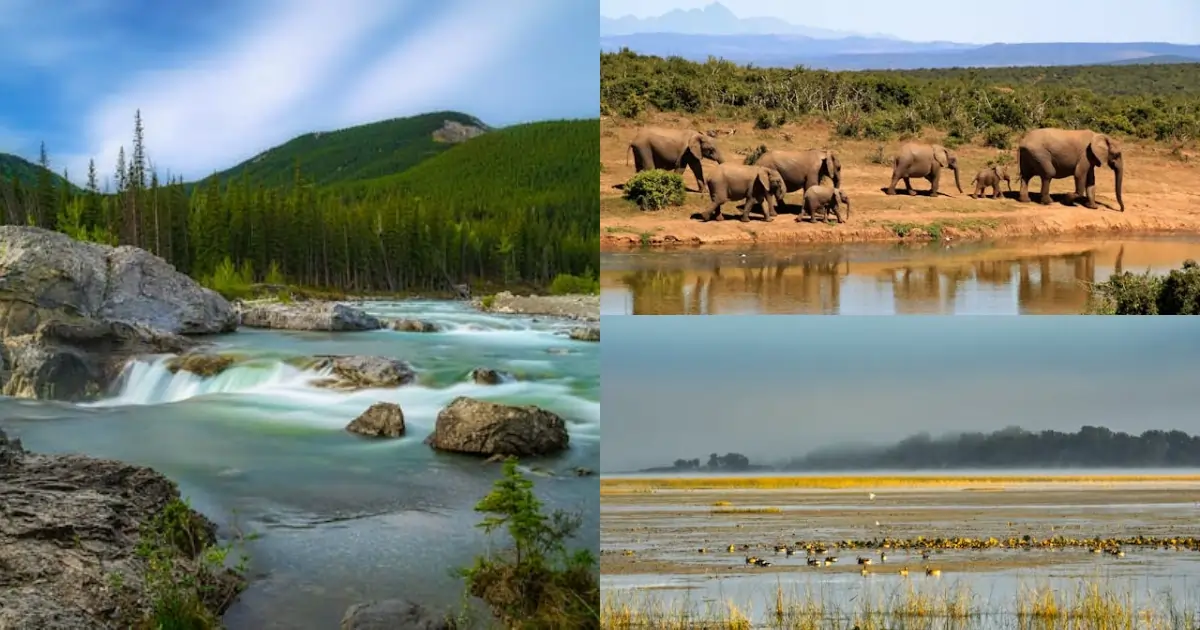
India is known worldwide for its extraordinary natural richness, shaped by vast landscapes and varied climates. This biodiversity in India supports life across mountains, forests, rivers, and coastal regions. Each ecosystem contributes to environmental balance and daily human needs.
India’s biodiversity has evolved over millions of years through natural processes. Over time, human interactions with nature have also influenced how ecosystems function and persist.
As a result, forests, wetlands, grasslands, and marine systems now play a shared role in supporting food resources, freshwater availability, and climate stability. However, the biological diversity of India is not evenly distributed. Certain regions contain species found nowhere else on Earth.
Recognizing these patterns helps explain India’s global ecological importance and the need to value its natural systems responsibly.
Why India Is One of the World’s Most Biodiverse Countries
India stands among the world’s most biologically rich nations due to its natural variety and long evolutionary history. The country supports an exceptional range of species across land and water.
Its location, landforms, and climate patterns work together to create ideal conditions for life. India is also recognized as a mega-diverse country, as documented in the official biodiversity profile of India under the Convention on Biological Diversity. This recognition reflects how geography and climate combine to support dense ecological diversity across regions.
Geographic and Ecological Diversity of India
India’s landmass includes mountains, plains, plateaus, islands, deserts, and long coastlines. The Himalayas support cold-adapted species, while fertile plains sustain dense vegetation.
The Deccan Plateau adds dry and semi-arid habitats. Island systems create isolated environments that encourage unique species to evolve. This wide range of landforms results in diverse natural habitats in India.
Each habitat offers different food sources, shelter, and climate conditions. Therefore, species richness increases as organisms adapt to specific ecological niches across the country.
Climatic Variation and Monsoon Influence
India experiences tropical, subtropical, temperate, and alpine climate zones. Seasonal changes strongly influence plant growth and animal movement. The monsoon plays a key role by controlling rainfall patterns across regions.
Heavy rains support forests and wetlands, while low rainfall shapes grasslands and deserts. Besides water availability, temperature shifts affect breeding cycles and migration.
These climatic zones of India allow species to adapt in different ways. As a result, ecosystems remain productive and resilient throughout the year.
Major Ecosystems Supporting Biodiversity in India
India’s ecosystems form the foundation of its biological wealth. Each ecosystem supports distinct life forms while remaining connected through natural processes.
Together, these systems maintain ecological balance and resource availability across the country.
Forest Ecosystems
Forests cover large parts of India and support high species diversity. Tropical forests, deciduous woodlands, and mountain forests provide shelter and food for wildlife. Many regions within forested landscapes also fall under biodiversity hotspots in India, known for high endemism.
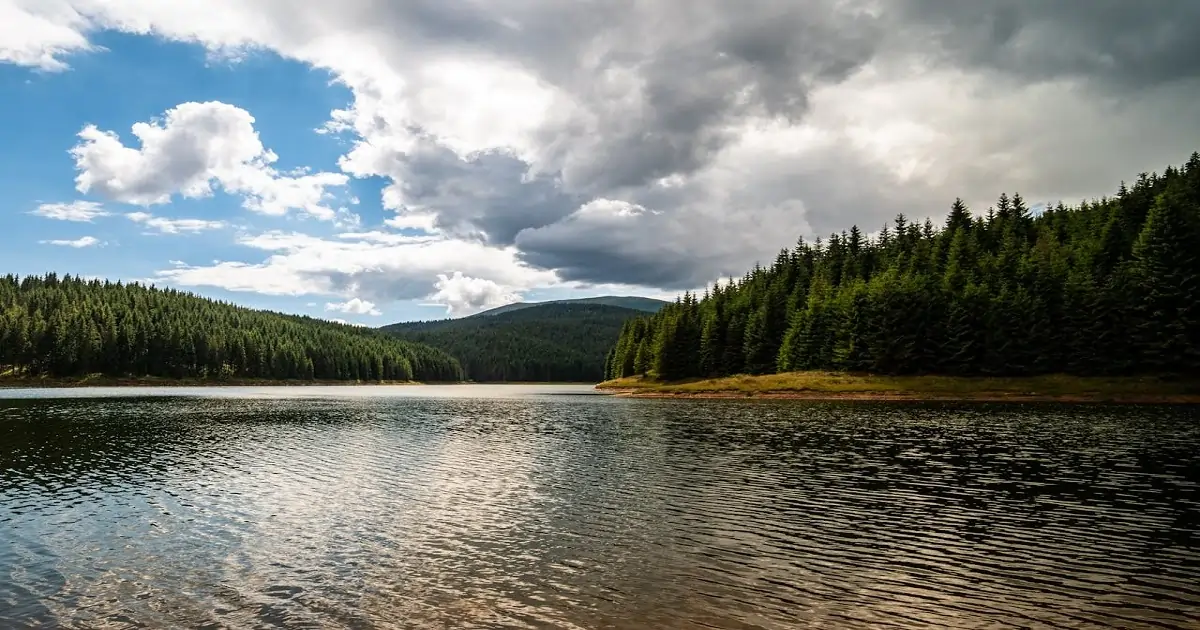
These areas support rare plants and animals adapted to specific conditions. Forest ecosystems regulate climate, protect soil, and store carbon. They also support livelihoods through forest-based resources, making them ecologically and socially important.
Wetlands, Rivers, and Freshwater Systems
Freshwater ecosystems include rivers, lakes, floodplains, and wetlands. These systems support fish, amphibians, aquatic plants, and migratory birds. Wetlands act as natural filters that improve water quality. Rivers connect landscapes and help distribute nutrients.
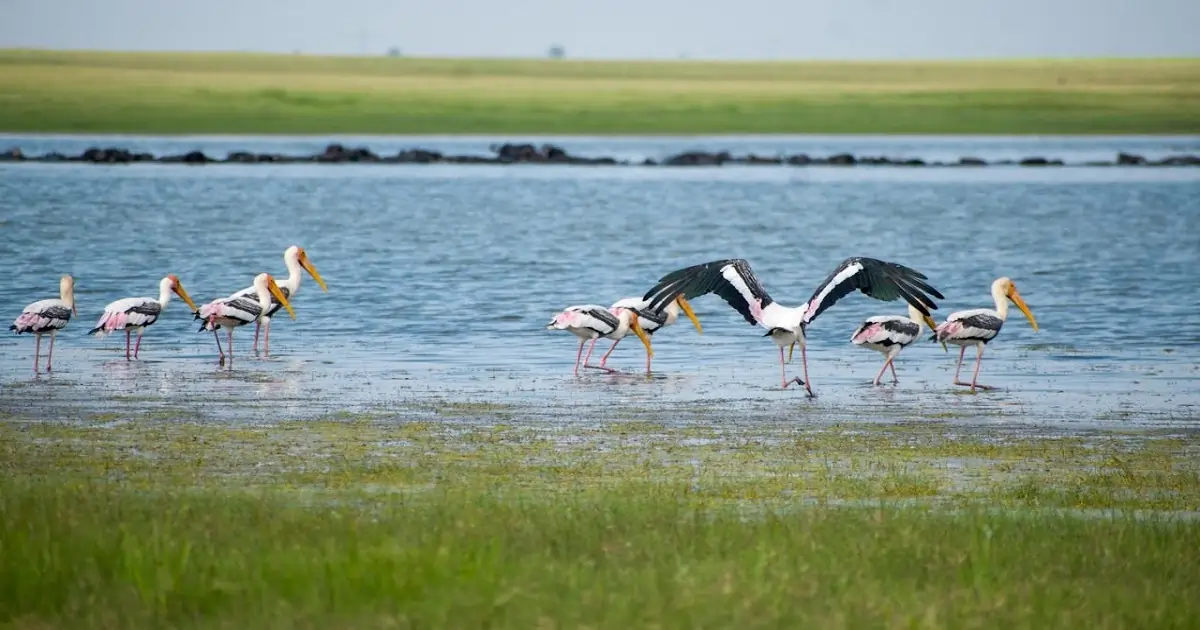
Seasonal flooding also supports agriculture in surrounding areas. However, freshwater habitats are sensitive to pollution and water diversion. Protecting these natural ecosystems in India helps maintain both biodiversity and water security.
Coastal and Marine Ecosystems
India’s coastline supports mangroves, coral reefs, estuaries, and open seas. These ecosystems host diverse marine life and protect coastal regions from erosion. Mangroves serve as breeding grounds for fish and act as natural barriers during storms.
Coral reefs support complex food webs despite covering small areas. Marine ecosystems also support fisheries and coastal livelihoods. Therefore, healthy seas remain vital for ecological stability and economic sustainability.
Grasslands, Deserts, and Alpine Systems
Grasslands, deserts, and alpine zones support species adapted to extreme conditions. Grasslands host grazing animals and ground-nesting birds.
Deserts support drought-resistant plants and nocturnal wildlife. Alpine systems, found at high altitudes, support cold-tolerant species during short growing seasons.
These ecosystems depend on natural cycles like grazing and snowfall. However, land conversion threatens their balance. Conserving these ecosystems preserves unique life forms often overlooked in conservation efforts.
Biodiversity in India and Ecosystem Services
Biodiversity in India supports daily life in ways people often overlook. Healthy ecosystems provide food, clean water, and stable climates. These natural systems also reduce risks from floods and droughts.
Therefore, biodiversity connects closely with human well-being rather than abstract environmental ideas.
Scientific organizations highlight this link between nature and people, including guidance shared by the Food and Agriculture Organization’s overview of biodiversity and ecosystem services. These benefits arise when ecosystems function naturally and remain diverse. However, when ecosystems degrade, human communities feel the impact first.
Ecological Services That Support Life
Ecosystem services include processes that keep environments productive and stable. Pollination supports crops and wild plants. Natural vegetation regulates water flow and reduces soil erosion. Besides this, forests and wetlands store carbon and influence local climates.
Rivers and wetlands also filter pollutants and recharge groundwater. These services operate quietly but consistently. Therefore, maintaining ecosystem health ensures long-term food security and resource availability. When ecosystems lose diversity, these services weaken, affecting both rural and urban populations.
Socio-Economic and Cultural Value
Biodiversity also supports livelihoods, traditions, and cultural practices. Many communities depend on forests, fisheries, and grazing lands for income. Traditional knowledge helps people manage resources sustainably. Medicinal plants, used for generations, still support healthcare systems today.
Cultural beliefs often promote respect for nature. Sacred groves and protected landscapes preserve local species. Furthermore, biodiversity-based livelihoods encourage sustainable resource use. This close relationship shows how nature and society remain deeply connected across India.
India’s Role in Global Biodiversity Conservation
India holds a significant position in global biodiversity due to its size and ecological variety. The country supports species found nowhere else on Earth. Therefore, its actions influence global biodiversity outcomes. India also participates in international efforts that promote sustainable development and ecological balance.
This broader role goes beyond national borders. India’s landscapes contribute to climate regulation and species migration. Understanding this global context helps frame national responsibilities more clearly.
Biodiversity Responsibility at a Global Scale
As a mega-diverse nation, India carries shared responsibility for protecting global biological wealth. Many species depend on Indian ecosystems during migration or breeding.
Besides this, genetic diversity preserved in India supports global food systems and ecological stability. Biodiversity concepts, major threats, and conservation approaches help frame this responsibility within a broader ecological context. This perspective explains how national actions connect with global ecological outcomes.
Indigenous Knowledge and Community Stewardship
Local communities play a key role in protecting biodiversity. Indigenous practices often promote balanced resource use. These traditions evolved through close observation of nature over generations.
Community stewardship helps conserve forests, wetlands, and grasslands. Furthermore, local participation improves conservation success. When communities benefit directly, ecosystems remain healthier and more resilient.
Key Biodiversity Indicators and Species Diversity in India
India’s biodiversity can be understood through indicators that reflect ecosystem health. These indicators include species richness, endemism, and habitat diversity. Together, they show how life adapts across varied landscapes.
Rather than listing species, examining patterns offers clearer insight. These patterns help scientists track changes and identify risks early.
Species Richness and Endemism
India supports a high number of plant and animal species across ecosystems. These patterns reflect different types of biodiversity, including genetic variation within species and ecosystem diversity across landscapes. Many species evolved in isolation, leading to strong endemism.
This concentration increases ecological value but also vulnerability. Habitat loss affects endemic species more quickly. Therefore, species richness and endemism act as key indicators of ecosystem stability and resilience.
Keystone and Indicator Species
Certain species play outsized roles within ecosystems. Keystone species influence food webs and habitat structure. Their presence supports broader wildlife diversity.
Indicator species reflect environmental conditions. Changes in their populations often signal ecosystem stress. Studying flora and fauna of India through these species helps scientists understand broader ecological trends without relying on extensive species lists.
Key Challenges Affecting Biodiversity in India
India’s biodiversity faces growing pressure from natural and human-driven changes. These challenges affect ecosystems differently across regions. However, their combined impact weakens ecological balance and species survival.
Understanding these issues helps explain why biodiversity loss continues despite awareness.
Habitat Fragmentation and Land-Use Change
Expanding cities, roads, and farms divide natural habitats into smaller patches. This separation limits animal movement and reduces breeding spaces. Therefore, species struggle to adapt or find resources. Over time, isolated populations become more vulnerable to decline.
Climate Variability and Extreme Events
Changing rainfall patterns and rising temperatures disturb natural cycles. Floods, droughts, and heatwaves affect plant growth and wildlife behavior. Besides this, extreme events damage fragile ecosystems. Species adapted to narrow conditions face the highest risks.
Human–Wildlife Interactions
As habitats shrink, wildlife moves closer to human settlements. This increases conflicts over land and resources. Crop damage and livestock loss affect livelihoods. Therefore, tolerance for wildlife declines, creating challenges for coexistence.
Invasive Species and Pollution
Non-native species compete with local plants and animals. Pollution further degrades soil, air, and water quality. Together, these factors reduce ecosystem resilience and native species survival.
The Way Forward for Biodiversity in India
Addressing biodiversity challenges requires balanced and forward-looking approaches. Solutions must respect ecological limits while supporting development. Progress depends on knowledge, planning, and public participation working together.
Science, Policy, and Education
Scientific research helps identify risks and guide decision-making. Data-driven policies improve habitat protection and resource management. Education also plays a vital role. When people understand ecosystems, they support informed choices. Besides this, early learning builds long-term environmental responsibility.
Sustainable Development and Public Awareness
Sustainable development reduces pressure on natural systems. Responsible land use and clean energy protect habitats. Public awareness strengthens these efforts. Furthermore, informed communities support conservation-friendly practices. When development aligns with ecological needs, biodiversity benefits over time.
Conclusion
Biodiversity in India reflects the country’s rich natural heritage and ecological complexity. Diverse ecosystems support life, livelihoods, and environmental stability. However, growing pressures threaten this balance. Recognizing challenges and understanding ecosystem roles are essential steps forward.
India’s global ecological importance makes biodiversity protection a shared responsibility. Awareness, informed choices, and long-term thinking can help maintain this natural wealth.
By valuing ecosystems as interconnected systems, society can support resilience and sustainability. Preserving biodiversity ensures that future generations inherit healthy landscapes and thriving life forms.