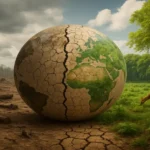
Biodiversity loss is becoming one of the most serious environmental challenges of our time. Across the world, plants, animals, and ecosystems are disappearing at alarming rates. This loss of biodiversity affects far more than wildlife. It weakens the natural systems that support everyday human life.
Global biodiversity loss signals a growing decline in species and ecosystems under threat. Forests shrink, oceans change, and many species fail to survive these rapid shifts. As nature loses its balance, people feel the impact through food shortages, climate stress, and reduced natural protection.
Humans depend on nature for clean air, water, and fertile land. When biodiversity declines, this natural balance begins to fail. Therefore, understanding why biodiversity loss happens and why it matters is essential. This article explains its meaning, major causes, key effects, and the growing concerns it raises for the future of life on Earth.
What Is Biodiversity?
Biodiversity refers to the variety of all living organisms on Earth. It includes plants, animals, fungi, and even tiny microbes. This biological diversity exists at three main levels, often described as types of biodiversity, and each plays a vital role in nature.
Genetic diversity means differences within a single species. For example, crops grow stronger when they have genetic variation. Species diversity refers to the wide range of living species found in an area. Ecosystem diversity includes forests, oceans, wetlands, and grasslands.
Together, these forms of biodiversity support ecosystem stability. They help nature respond to change and stress. Biodiversity also provides essential ecosystem services such as clean air, fresh water, fertile soil, and pollination.
Without this balance, life systems struggle to function. Biodiversity influences these systems at many levels.
What Does Biodiversity Loss Mean?
Biodiversity loss refers to the ongoing decline in the variety of life on Earth. It includes plants, animals, and microorganisms. This decline in biodiversity happens when species disappear, habitats shrink, and ecosystems weaken.
Some species naturally go extinct over long periods. However, today’s species extinction rate is far higher than normal. Human activities now speed up habitat loss, pollution, and environmental degradation.
As habitats degrade, many species lose food and shelter. Forest clearing, damaged oceans, and polluted rivers reduce safe living spaces. Over time, this pressure pushes many species toward extinction.
When too many species vanish, ecosystems can collapse. Food chains break, natural cycles fail, and recovery becomes difficult. Scientific assessments on biodiversity and ecosystem change show that these losses affect land, freshwater, and marine systems worldwide.
Although biodiversity loss often happens slowly, its effects build quietly. The natural systems that support life become weaker, making both nature and human societies more vulnerable.
Major Causes of Biodiversity Loss
Biodiversity loss does not happen by chance. In most cases, human actions drive this steady decline. As populations grow, natural areas face increasing pressure. Over time, this disrupts ecosystems and weakens nature’s ability to recover.
Scientific reviews on global environmental change identify several key pressures shaping this crisis. International assessments describing the five major drivers of the nature crisis highlight how land use, pollution, climate change, and overuse of resources continue to accelerate biodiversity loss worldwide.
Habitat Destruction and Land Use Change
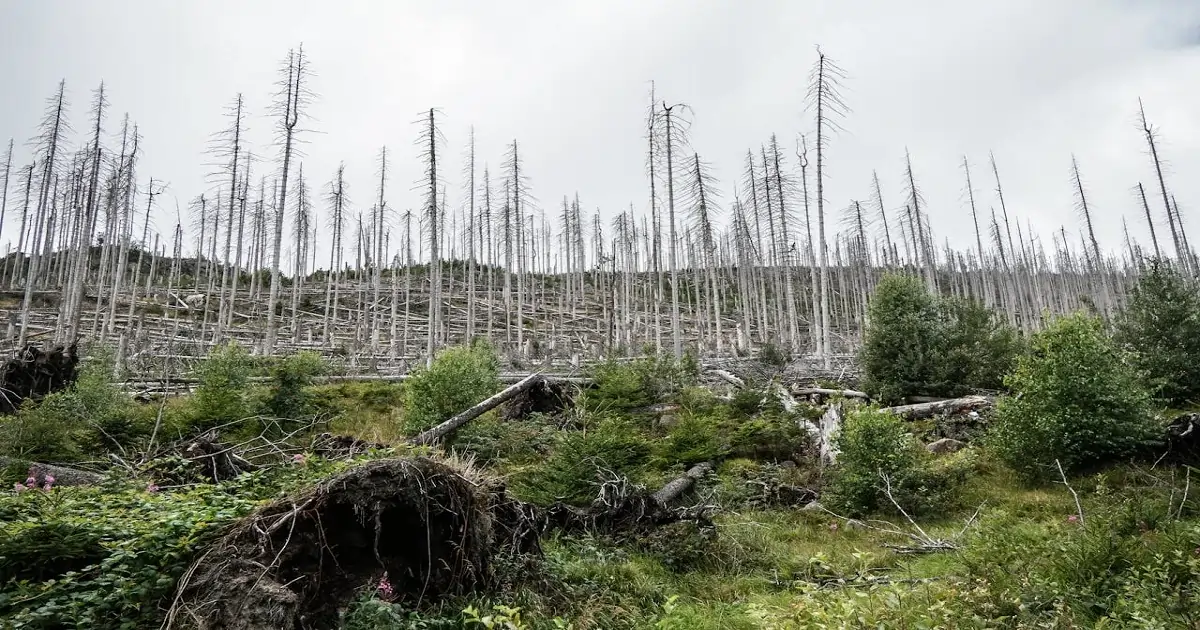
Habitat destruction remains the leading cause of biodiversity loss. Forests are cleared for farming, roads, and housing. As a result, wildlife loses shelter and food sources.
Deforestation breaks large habitats into smaller pieces. This habitat fragmentation isolates species and limits breeding. Many animals cannot migrate or adapt to these sudden changes.
Urban expansion also replaces natural landscapes with concrete. Wetlands dry up, grasslands shrink, and forests disappear. Over time, these changes reduce species survival and push ecosystems toward collapse.
Pollution and Industrial Activities
Pollution harms biodiversity on land and in water. Chemicals from farms and factories enter rivers and soil. This leads to water pollution and soil contamination.
Plastic waste poses a serious threat to marine life. Animals mistake plastic for food and often die as a result. Besides plastics, chemical runoff from pesticides weakens insects, birds, and aquatic species.
These pollutants accumulate over time. As ecosystems absorb toxic substances, their natural balance slowly breaks down.
Climate Change and Global Warming
Climate change adds pressure to already stressed ecosystems. Rising temperatures alter habitats faster than species can adapt. Many plants and animals struggle to survive these shifts.
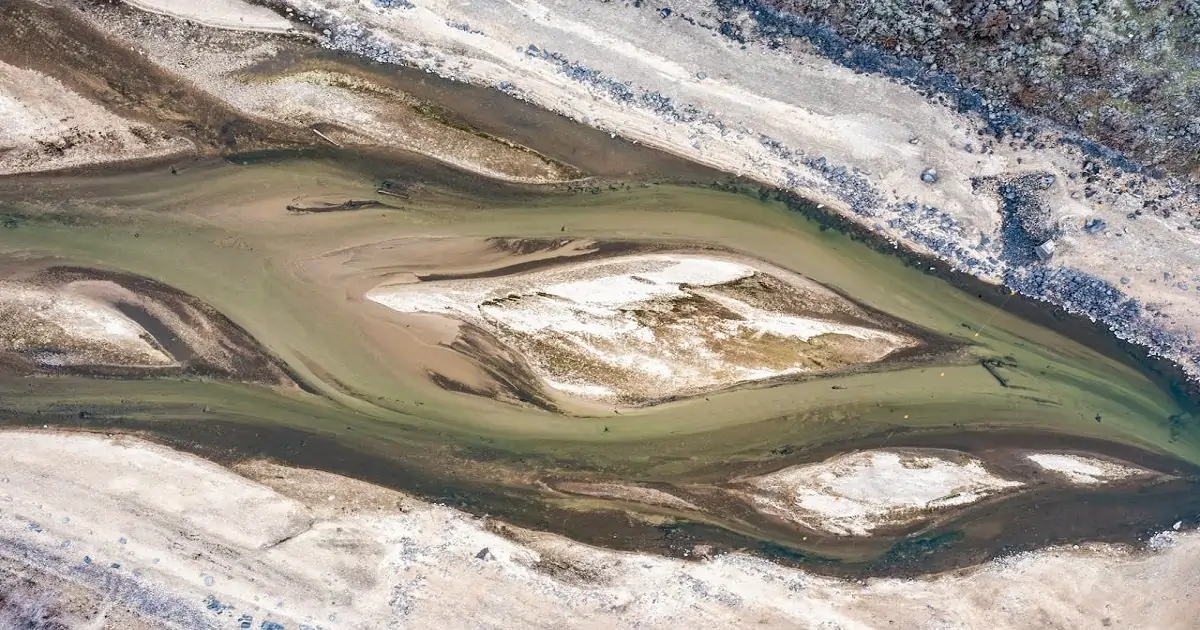
Changing rainfall patterns affect forests, wetlands, and farmland. Some regions face droughts, while others experience floods. Extreme weather events such as heatwaves and storms further damage fragile ecosystems.
As climates shift, species are forced to move. Those unable to migrate face higher extinction risks.
Invasive Species and Overexploitation
Invasive species often enter new areas through trade and travel. Once introduced, they spread quickly and outcompete native species. This disrupts local food chains.
Overexploitation also reduces biodiversity. Overfishing depletes marine life faster than it can recover. Wildlife trade removes animals from ecosystems and threatens rare species.
Resource overuse places constant strain on nature. Without limits, ecosystems lose their ability to regenerate and support life.
Real-World Examples of Biodiversity Loss
Biodiversity loss is not a distant idea. It is already affecting ecosystems across the planet. Many well-known natural areas show clear signs of stress and decline.
In the Amazon rainforest, large areas are cleared each year for farming and mining. As forests disappear, countless species lose their homes. This weakens one of the world’s most important ecosystems and accelerates the global biodiversity decline.
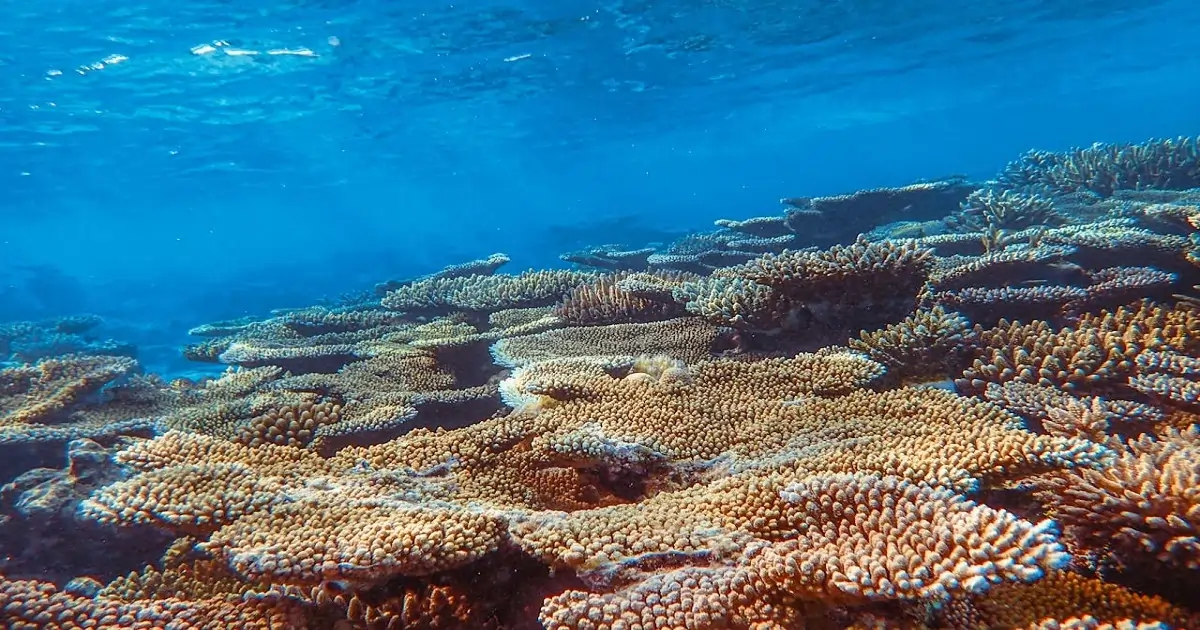
Coral reefs offer another clear example. Rising ocean temperatures cause coral bleaching, which kills reefs over time. When corals die, fish and marine life lose shelter and food. This leads to ecosystem collapse in coastal waters.
Endangered species also reflect this biodiversity crisis. Animals such as rhinos, orangutans, and sea turtles face extinction due to habitat loss and poaching. These real events show how biodiversity loss is unfolding worldwide.
Effects of Biodiversity Loss on Ecosystems and Humans
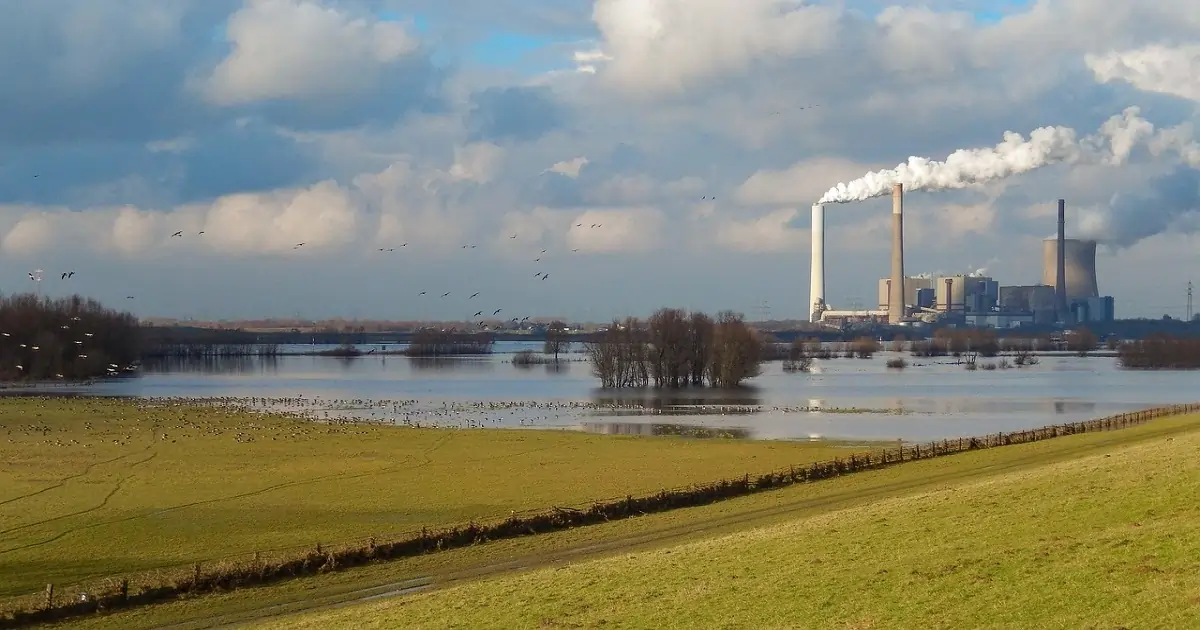
Biodiversity loss affects more than wildlife. It directly impacts ecosystems and human societies. As species disappear, natural systems lose strength and stability. Over time, this creates risks that touch daily life.
Disruption of Ecosystem Services
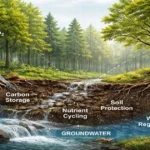
Healthy ecosystems provide services that support life. Bees and insects help with pollination. Forests improve soil fertility. Wetlands support water purification. These services work together to keep nature balanced.
When biodiversity declines, these systems weaken. Fewer pollinators mean lower crop yields. Poor soil reduces plant growth. Polluted water becomes unsafe for people and animals. In addition, these impacts, recovery often takes years. Therefore, protecting biodiversity helps maintain essential ecosystem services.
Threats to Food Security
Food systems depend heavily on biodiversity. Crops rely on insects, healthy soil, and stable climates. Fish stocks depend on balanced marine ecosystems.
As biodiversity loss increases, crop failure becomes more common. Fisheries decline as coral reefs and breeding grounds disappear. This places food systems at risk, especially in vulnerable regions. Furthermore, limited food supplies can raise prices and increase hunger. Protecting biodiversity supports long-term food security.
Impact on Human Health
Biodiversity plays a role in protecting human health. Many medicines come from plants and natural compounds. Healthy ecosystems also limit disease spread.
When ecosystems degrade, disease risks rise. Animals move closer to human settlements, increasing exposure to new illnesses. At the same time, the loss of medicinal resources reduces future treatment options. Therefore, ecosystem health and human health remain closely connected.
Increased Natural Disasters and Climate Imbalance
Nature helps reduce extreme events. Forests absorb rain and reduce floods. Mangroves protect coastlines from storms. Grasslands store carbon and regulate temperature.
Biodiversity loss weakens these natural buffers. As a result, floods, heatwaves, and wildfires become more frequent. Climate imbalance worsens when ecosystems can no longer adapt. Besides environmental damage, communities face higher risks and long-term losses.
How Climate Change Accelerates Biodiversity Loss
Climate change adds intense pressure to already stressed ecosystems. As temperatures rise, many habitats begin to change faster than species can adapt. Forests dry out, ice melts, and oceans warm. These habitat shifts leave many plants and animals without suitable living conditions.
As environments change, species migration increases. Animals move toward cooler areas or higher ground to survive. However, not all species can travel long distances. Those left behind often face population decline or extinction. This reduces ecosystem resilience over time.
There is also a climate–biodiversity feedback loop. Healthy ecosystems store carbon and slow warming. When biodiversity declines, carbon storage drops. As a result, climate change accelerates further. This cycle weakens ecosystems and makes recovery harder.
Protecting biodiversity, therefore, helps stabilize the climate and supports long-term balance.
Why Biodiversity Loss Is a Major Global Concern
Biodiversity loss matters because it affects human survival. People depend on nature for food, water, medicine, and clean air. When ecosystems fail, daily life becomes more uncertain. This growing risk explains many biodiversity loss concerns worldwide.
Economic systems also depend on healthy ecosystems. Farming, fishing, and tourism rely on natural resources. As biodiversity declines, these industries suffer. Besides job losses, communities face rising costs and reduced income.
There is also a cultural and ethical dimension. Many species and landscapes hold deep meaning for communities. Losing them weakens cultural identity. In addition, biodiversity holds future scientific potential. Unknown species may offer solutions for medicine or technology. Protecting nature supports long-term sustainability for both people and the planet.
How Can Biodiversity Loss Be Prevented?
Preventing biodiversity loss requires action at many levels. Governments, businesses, and individuals all play a role. Small changes, when combined, can protect ecosystems and restore balance.
Sustainable Development and Responsible Resource Use
Sustainable development helps reduce pressure on nature. Using resources wisely limits habitat destruction and pollution. Farming methods that protect soil and water support biodiversity conservation. Renewable energy also reduces harm to ecosystems.
Responsible resource use encourages long-term thinking. When communities reduce waste and overuse, ecosystems recover faster. Therefore, sustainable practices help balance human needs with environmental protection.
Conservation Policies and Community Action
Strong conservation policies protect forests, oceans, and wildlife. Laws alone, however, are not enough. Local community action improves results. When people support conservation, protected areas remain effective.
Community-led projects help monitor wildlife and restore habitats. Besides protection, education builds awareness. Together, policies and people create stronger conservation outcomes.
Ecosystem Restoration and Public Awareness
Damaged ecosystems can recover with support. Ecosystem restoration includes replanting forests and cleaning rivers. These actions rebuild habitats and improve ecosystem resilience.
Public awareness also plays a key role. When people understand biodiversity loss, they make better choices. Education encourages environmental protection and supports long-term recovery.
Conclusion
Biodiversity loss shows how closely nature and human life are connected. As species disappear and ecosystems weaken, the natural systems we depend on begin to fail. Food, water, and climate stability all rely on healthy biodiversity.
Protecting nature is not only an environmental issue. It is a shared responsibility. Simple choices, strong policies, and informed actions can help protect biodiversity and restore balance in damaged ecosystems.
Every effort matters. By caring for nature today, we support future generations and reduce long-term risks. Environmental responsibility encourages respect for life in all forms. When people act with awareness and care, the planet becomes more resilient, healthy, and capable of sustaining life for years to come.