Environmental damage rarely happens by accident. It usually begins with everyday actions and overlooked choices. Cities expand, industries grow, and consumption rises. As a result, pollution slowly becomes part of daily life. However, many people notice the effects before asking where the problem started.
The causes of environmental pollution are closely linked to how modern society functions. Factories release waste, vehicles burn fuel, and farms rely on chemicals. Besides that, nature itself can also contribute through events like wildfires and volcanic activity. These combined pressures shape today’s environmental pollution sources.
Understanding how pollution originates helps explain why its impacts spread so widely. Therefore, identifying these causes becomes the first step before discussing effects and control measures.
Environmental Pollution and Its Origins
Environmental pollution begins when harmful substances enter air, water, or land. These substances come from many connected activities. Some develop slowly, while others appear suddenly. However, most pollution builds up over time due to repeated exposure.
In many regions, pollution grows alongside population and economic activity. The causes of pollution in modern society often reflect how people produce, travel, and consume resources.
Besides that, natural events can also add pollutants to the environment. Together, these actions create complex environmental pollution sources.
Pollution rarely has a single origin. Instead, it forms when multiple sources interact. Therefore, identifying how these sources connect helps explain why pollution spreads across ecosystems and communities.
Major Causes of Environmental Pollution Explained
The major causes of environmental pollution fall into two broad groups. These include human-driven activities and natural processes. Human actions usually create long-term and widespread damage. Natural causes tend to be short-term but can still be intense.
Industries, cities, farms, and waste systems play a central role. They release pollutants directly or indirectly into the environment. As a result, air, water, and soil quality slowly decline. Besides that, natural forces like fires and volcanic eruptions also release pollutants.
This overview highlights how different causes work together. Therefore, separating human and natural factors helps clarify responsibility. It also prepares the ground for a closer look at specific pollution sources.
Human Activities Causing Pollution
Human activities causing pollution remain the strongest drivers of environmental damage today. Daily actions, when repeated at a large scale, create lasting pressure on ecosystems.
Economic growth often increases pressure on natural systems through industrial expansion, energy use, and transport emissions, as highlighted by global assessments on pollution sources and health impacts. As a result, pollution becomes harder to control without addressing these root activities.
Common sources of noise pollution in everyday environments further illustrate how transport systems, construction activity, and urban growth add another layer of human-made environmental pressure.
Industrial Growth and Manufacturing Processes

Industries release large amounts of waste during production. Smoke from factories adds harmful gases to the air. Wastewater carries chemicals into rivers and lakes. Besides that, solid residues often end up in open land.
Manufacturing also relies on raw materials and energy. This process increases emissions at every stage. Therefore, industrial growth becomes one of the major pollution sources. Without proper treatment systems, these pollutants spread quickly.
Urbanization, Transport, and Energy Use
Cities expand to support growing populations. This expansion increases energy demand. Vehicles burn fossil fuels and release exhaust gases. As a result, air quality declines in urban areas.
Urban waste also adds pressure. Sewage systems, landfills, and construction debris create multiple pollution points. Furthermore, electricity generation often depends on coal or oil. These combined factors increase pollution levels in cities.
Agricultural Practices and Chemical Inputs
Modern farming uses chemicals to boost crop yields. Fertilizers and pesticides improve production but often wash into water bodies. Rainfall carries these substances through runoff. Therefore, nearby soil and water become contaminated.
Livestock farming also produces waste. This waste releases gases and nutrients into the environment. Besides that, overuse of chemicals reduces soil quality over time.
Waste Generation and Improper Disposal
Waste generation rises with consumption. Plastics, packaging, and household waste accumulate quickly. When disposal systems fail, waste enters land and water.
Landfills release harmful gases and liquids. Open dumping worsens the problem. As a result, waste becomes one of the visible causes of pollution in modern society. Proper management remains essential to reduce this impact.
Natural Causes of Pollution and Environmental Disturbances
Not all pollution comes from human activity. Nature also releases pollutants through powerful events. These natural causes of pollution can change environmental conditions quickly. However, they usually act alongside human pressures.
Natural pollution often becomes harmful when ecosystems are already stressed. For example, smoke from wildfires worsens poor air quality in cities. Therefore, understanding natural contributions helps explain sudden pollution spikes.
These events remain important environmental pollution sources. While humans cannot prevent them, awareness helps reduce damage. Planning and preparedness can limit their impact on people and ecosystems.
Volcanic Activity, Wildfires, and Dust Storms
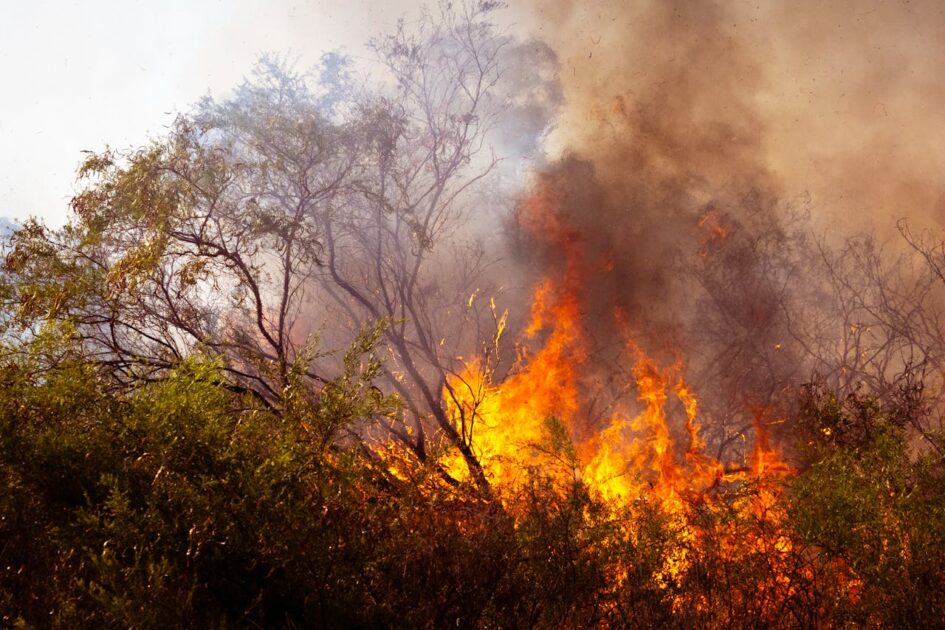
Volcanic eruptions release ash and gases into the air. These materials spread over large areas. Wildfires also produce smoke and fine particles. As a result, air quality drops sharply.
Dust storms lift soil into the atmosphere. This dust travels long distances. Besides that, it can carry pollutants already present in the soil. Such events show how nature can influence pollution levels.
Natural Decay and Biological Processes
Plants and animals naturally break down over time. This decay releases gases and nutrients. In balanced ecosystems, these processes remain harmless. However, excess buildup can affect water and soil quality.
Wetlands and forests usually manage natural waste. When these systems weaken, pollution increases. Therefore, protecting natural cycles helps control pollution from biological sources.
How Pollution Causes Connect to Types, Effects, and Control Measures
Pollution does not occur in isolation. Each cause links directly to a specific type of pollution. Industrial emissions affect air and water. Agricultural runoff damages soil and rivers. Therefore, causes shape how pollution appears and spreads.
These links explain why pollution impacts feel widespread. One source often triggers multiple effects. For example, burning fuel affects air quality and human health. Besides that, waste dumped on land can pollute nearby water bodies.
Viewing pollution through this broader pollution framework helps connect actions with outcomes. It also explains why solutions must address more than symptoms.
Exploring the types, causes, effects, and control measures of pollution together creates a clearer picture. This approach supports informed decisions and long-term prevention.
Key Environmental Pollution Sources at a Glance
Environmental pollution comes from several clear sources. Seeing them together makes patterns easier to understand. This overview helps connect daily activities with environmental impact.
Major Environmental Pollution Sources
- Industrial emissions from factories and power plants
- Agricultural runoff carrying chemicals into water
- Urban waste systems handling sewage and solid waste
- Transportation networks using fossil fuels
- Natural environmental events like forest fires and volcanic eruptions
Causes of Pollution in Modern Society: Why the Problem Is Growing
Modern life increases pollution in many ways. Population growth raises demand for energy and resources. More people means more waste. As a result, pollution spreads faster.
Consumption patterns also play a role. Single-use products and fast production create constant waste. Besides that, resource overuse strains natural systems. Forests, water, and soil lose their ability to recover.
Weak waste management systems worsen the issue. Many regions lack proper disposal methods. Therefore, the causes of pollution in modern society continue to expand. Addressing these major causes of environmental pollution requires changes in habits, planning, and infrastructure.
Why Identifying Pollution Causes Is Critical for Long-Term Control
Effective pollution control begins with clear cause identification. Without this step, solutions remain temporary. Many control efforts fail because they treat symptoms, not sources. Therefore, understanding origins becomes essential for lasting change.
When causes stay hidden, pollution returns in new forms. For example, cleaning water bodies helps little if waste dumping continues. Besides that, land recovery slows when contamination sources persist. This pattern explains why some regions struggle despite repeated clean-up efforts.
Identifying causes also supports smarter planning. It guides policy, technology, and behavior changes. Furthermore, it connects naturally to broader discussions on water pollution effects and land pollution causes and effects. Addressing causes first creates a strong foundation for long-term environmental protection.
Key Takeaways on the Causes of Environmental Pollution
Environmental pollution develops through repeated actions and natural processes. Human activities remain the dominant force behind most pollution today. Industry, transport, farming, and waste play central roles. However, natural events can intensify existing problems.
Understanding pollution sources improves awareness and accountability. It helps explain why pollution spreads across air, water, and land. Besides that, it shows why control measures must be targeted and consistent.
Clear knowledge of causes supports better decisions at every level. This awareness remains essential for effective prevention and recovery.
Conclusion
Environmental pollution does not arise overnight. It grows through daily choices and natural events working together. Human actions create long-term pressure on ecosystems, while natural causes add sudden stress. Therefore, both must be considered carefully.
Identifying causes helps explain why pollution affects health, food, and biodiversity. It also shows why control efforts succeed only when sources are addressed. Besides that, understanding origins encourages responsibility at individual and community levels.
Long-term protection depends on reducing harmful activities and supporting natural balance. Addressing causes remains the first step toward a cleaner and healthier environment.