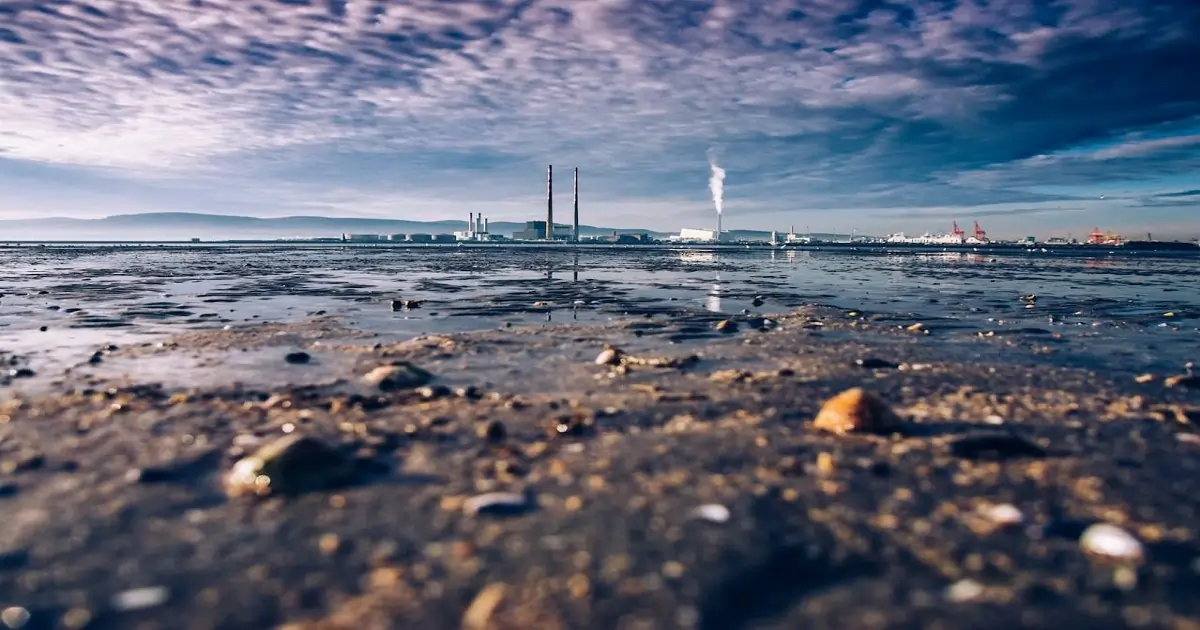
Pollution shapes modern life in ways many people notice every day. Smog-filled skies, polluted rivers, and growing waste piles affect cities and rural areas alike.
These changes influence climate patterns, damage ecosystems, and quietly impact human health. Besides harming nature, pollution alters how people live, work, and access clean air and water.
Across the world, environmental stress is increasing as industries grow and resources are used faster. Therefore, understanding how pollution spreads and persists has become more important than ever. Learning about the types of pollution and their effects helps explain why some regions face stronger climate risks and declining biodiversity.
It also shows how daily choices connect to larger environmental outcomes. By exploring this topic, readers gain insight into one of the most pressing challenges shaping the planet today.
What Is Pollution?
Pollution refers to the introduction of harmful substances or energy into the environment in amounts that can damage ecosystems and harm living organisms.
These unwanted inputs disrupt natural balance and reduce environmental quality. In simple terms, what is pollution can be understood as contamination that makes air, water, or land unsafe for living organisms.
Pollutants exist in many forms. They can be solid waste, liquid chemicals, or harmful gases released into the air. Besides these, energy-based pollutants such as noise, heat, and radiation also affect surroundings. Each type spreads differently and causes specific environmental damage.
Environmental pollution may occur naturally, but most modern pollution comes from human activities. Volcanic eruptions and forest fires release natural pollutants.
However, industries, vehicles, farming, and urban growth produce far greater contamination today. As a result, pollution has become a widespread challenge. Understanding its nature helps explain why managing pollutants is essential for protecting ecosystems and human health.
Types of Pollution and Their Effects
Pollution appears in many forms, depending on the source and the environment it affects. Each type spreads differently and creates specific challenges.
Understanding the types of pollution and their effects helps explain why environmental damage looks different across regions. It also shows how closely human activities are linked to environmental change. The sections below explain the major forms of pollution and their direct impacts.
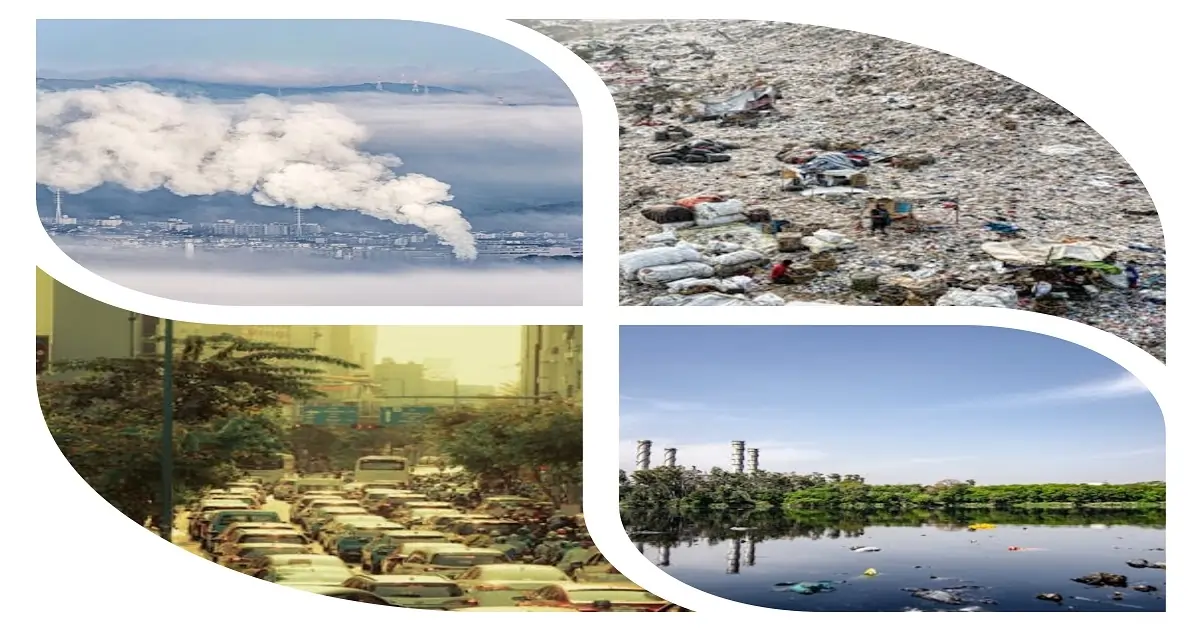
Air Pollution
Air pollution occurs when harmful gases and particles enter the atmosphere. Vehicles release exhaust fumes, while industries emit smoke and chemicals. Power plants and burning fuels add more pollutants to the air.
These emissions reduce air quality and make breathing difficult. Long-term exposure causes asthma, lung disease, and heart problems. Air pollution effects also extend beyond health.
Greenhouse gases trap heat in the atmosphere and accelerate climate change. As temperatures rise, weather patterns become more extreme. Therefore, polluted air affects both human health and global climate systems.
Water Pollution
Water pollution happens when harmful substances enter rivers, lakes, and oceans. Sewage discharge, industrial waste, and agricultural runoff are major sources. The main sources of water pollution threatening water quality today highlight where prevention efforts should focus. Oil spills and plastic waste also contaminate water bodies.
Freshwater pollution reduces the availability of safe drinking water. It spreads diseases and harms communities that depend on rivers and lakes. Marine pollution damages coral reefs and kills fish.
Toxic substances build up in aquatic food chains, affecting both wildlife and humans. The long-term effects of water pollution on ecosystems and human health show why clean water protection is critical. As a result, water pollution threatens ecosystems and food security worldwide.
Land and Soil Pollution
Soil pollution develops when harmful chemicals mix with land surfaces. Pesticides, fertilizers, and industrial waste are common contributors. Improper dumping of solid waste worsens the problem.
These pollutants reduce soil fertility and affect crop growth. A deeper look land pollution causes, effects, and practical solutions explains how contamination spreads and how it can be managed. Contaminated soil transfers toxins into food crops, raising food safety concerns. Land pollution effects also include groundwater contamination, which spreads pollution further. Therefore, polluted soil weakens agriculture and increases health risks over time.
Noise Pollution
Noise pollution is common in urban and industrial areas. Traffic, construction, factories, and loud public spaces create constant noise. Common sources of noise pollution and everyday examples help explain how sound becomes an environmental issue. Unlike other forms, noise pollution is invisible but persistent.
Continuous exposure affects mental and physical health. It causes stress, sleep disturbance, and hearing loss. Children and elderly people are especially vulnerable. Over time, high noise levels reduce quality of life and overall well-being.
Plastic and Chemical Pollution
Plastic and chemical pollution has grown rapidly in recent decades. Single-use plastics break down into microplastics that spread through air, water, and soil. Industrial chemicals also enter ecosystems through waste and runoff.
Microplastics accumulate in animals and move up the food chain. Toxic chemicals store in body tissues through bioaccumulation. These pollutants disrupt hormones, damage organs, and harm wildlife.
Furthermore, their long lifespan makes cleanup difficult. This form of pollution creates long-term environmental and health challenges that persist for generations.
Major Causes of Pollution
Pollution does not occur randomly. It results from a mix of human actions and natural events. However, modern pollution levels rise mainly because of how societies produce energy, grow food, and expand cities.
Understanding pollution causes helps explain why environmental damage increases with development. A detailed breakdown of major human and natural causes of environmental pollution provides clearer insight into these patterns. It also shows where prevention efforts should focus.
Human-Induced Causes
Industrialization releases smoke, chemicals, and waste into air, water, and land. Factories often discharge pollutants faster than nature can absorb them. Urbanization adds pressure through construction, traffic, and dense populations. As cities grow, waste generation increases.
Fossil fuels remain a major source of pollution. Burning coal, oil, and gas releases harmful gases and fine particles. Agriculture also contributes through fertilizers, pesticides, and livestock waste. Agricultural pollution from farming activities reveals how food production impacts soil, water, and ecosystems. These human activities and pollution patterns now dominate global environmental change.
Natural Causes
Some pollution occurs naturally. Volcanic eruptions release ash and gases into the atmosphere. Forest fires produce smoke that spreads over large areas. Dust storms lift fine particles from dry land into the air.
Although natural events cause short-term contamination, their impact is usually temporary. In contrast, human-driven pollution persists longer and affects wider regions.
Effects of Pollution on Environment and Human Health
Pollution affects natural systems and human well-being at the same time. Its impacts often build slowly but become severe over years.
Therefore, understanding the effects of pollution on environment and people, including how it contaminates ecosystems and disrupts natural balance, is essential for long-term sustainability, as highlighted by authoritative health and environmental research.
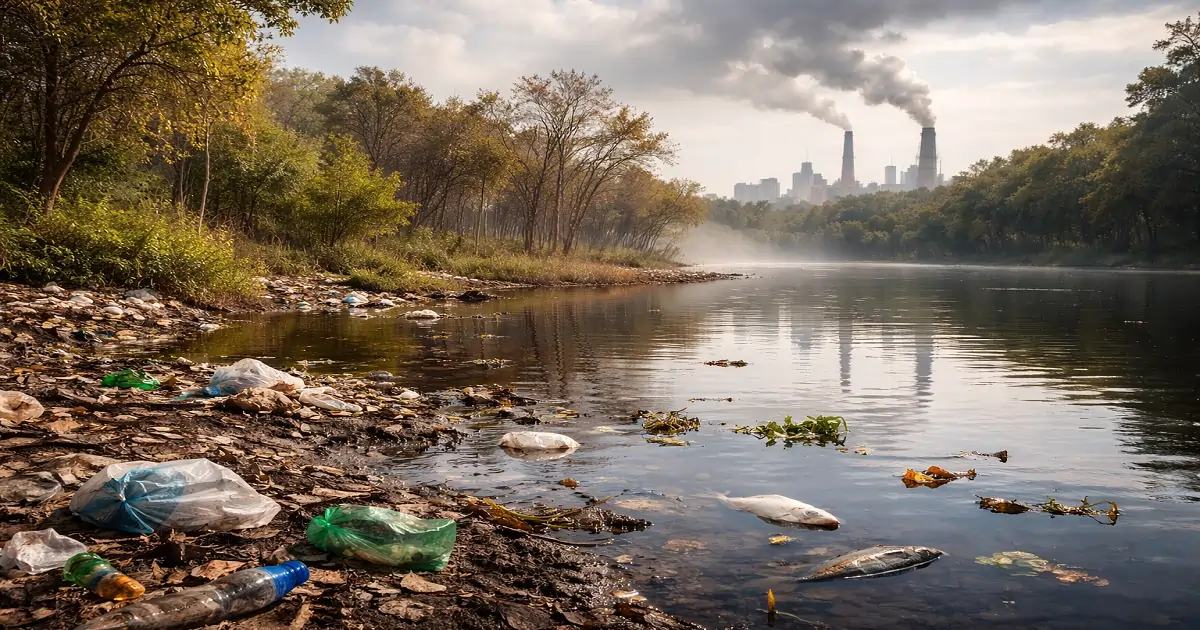
A broader explanation of the effects of environmental pollution on human health, ecosystems, and climate helps connect these impacts at local and global levels.
Environmental Effects
Pollution contributes directly to climate change by increasing greenhouse gases. Rising temperatures disrupt rainfall patterns and increase extreme weather events. Besides this, polluted habitats lose plant and animal species. Biodiversity declines when ecosystems cannot recover.
Environmental degradation also leads to ecosystem imbalance. Soil, water, and air systems lose their natural functions. As a result, food chains weaken and natural resilience declines.
Human Health Effects
Pollution and human health are closely connected. Air pollution causes asthma, lung infections, and heart disease and can impact human health in multiple ways. Children and older adults face higher risks.
Waterborne diseases spread through contaminated drinking water. Long-term exposure to pollutants also leads to chronic illnesses, including cancer and nerve disorders. Over time, polluted environments reduce quality of life and strain public health systems.
Pollution Control and Prevention Measures
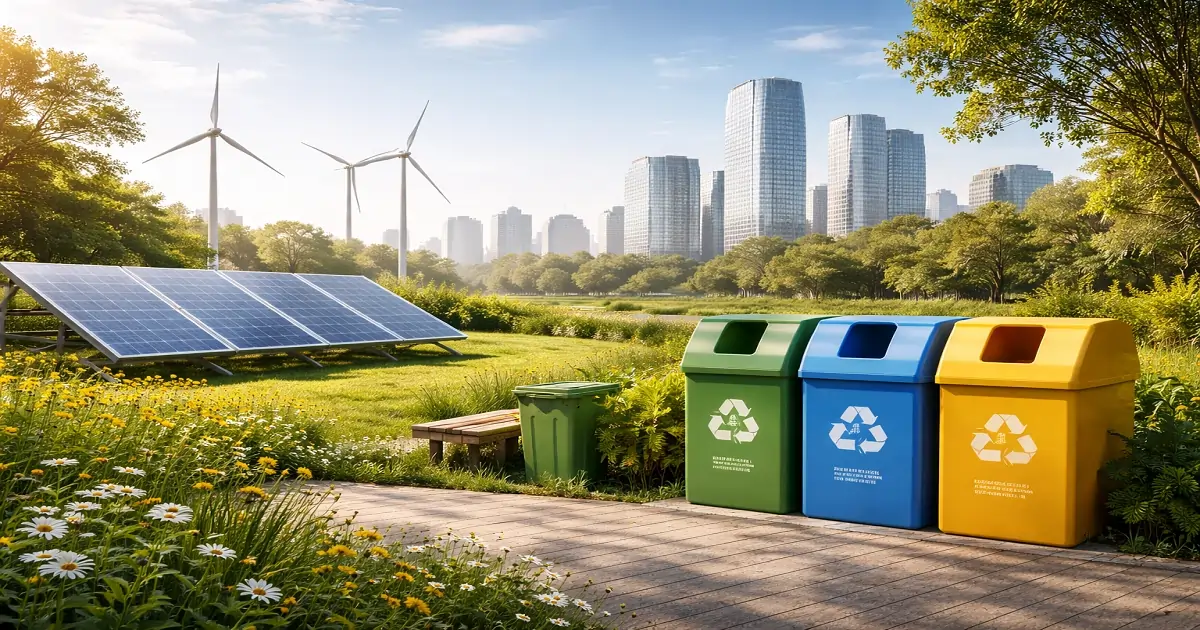
Reducing pollution requires combined efforts at many levels. Effective pollution control measures focus on limiting harmful emissions before they spread. Prevention is always better than cleanup. Therefore, long-term solutions aim to reduce pollution at its source.
Practical approaches to pollution prevention and regulation are explained in detail in Environmental Pollution: Causes and Control Measures.
Government and Policy Measures
Governments play a central role in pollution prevention. Environmental laws set limits on harmful emissions and waste disposal. Emission standards control pollutants released from vehicles and industries. These rules encourage cleaner production methods.
Waste management regulations guide proper collection, recycling, and disposal of waste. When enforced well, policies reduce environmental damage. Besides protecting nature, strong regulations also support public health and sustainable growth.
Individual and Community Actions
Daily choices influence pollution levels. Reducing waste, reusing materials, and recycling help limit land and plastic pollution. Simple actions such as saving energy and water lower environmental pressure.
A sustainable lifestyle includes using public transport, avoiding single-use plastics, and supporting eco-friendly products. Public awareness programs also matter. When communities understand pollution problems, collective action becomes more effective.
Technological Solutions
Technology offers practical solutions to pollution. Renewable energy sources reduce dependence on fossil fuels. Pollution control devices filter harmful gases before release. Waste treatment technologies clean water and manage industrial waste safely. Together, these solutions support cleaner environments.
Key Pollution Facts and Practical Actions
Pollution statistics and everyday actions are closely connected. Understanding key facts helps explain why small changes in behavior can reduce long-term environmental damage and health risks.
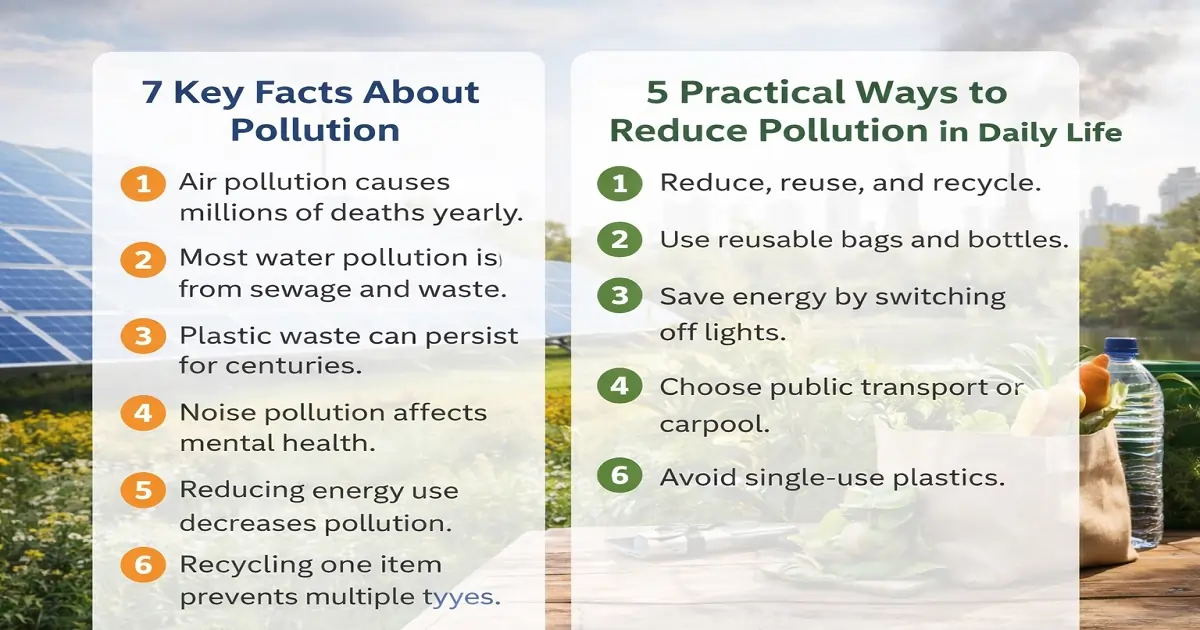
- Air pollution causes millions of premature deaths each year worldwide.
- Most water pollution comes from untreated sewage and industrial waste.
- Plastic waste can remain in the environment for hundreds of years.
- Noise pollution affects mental health and sleep quality.
- Reducing energy use lowers pollution and conserves natural resources.
- Recycling one product can prevent multiple forms of pollution.
- Small daily habits create long-term environmental benefits.
These facts highlight how individual actions connect with global outcomes.
Why Understanding Pollution Matters Today
Pollution awareness is essential in a changing world. Environmental sustainability depends on how societies manage waste and resources. Pollution weakens natural systems that support food, water, and climate balance.
Climate resilience also depends on reducing pollution. Cleaner air and water help ecosystems recover faster from extreme events. Furthermore, future generations will face greater risks if pollution continues unchecked.
Learning about pollution builds responsibility and informed decision-making. When people understand the issue, they are more likely to support solutions that protect the planet for years to come.
Conclusion
Pollution affects air, water, land, and living systems in connected ways. Different types of pollution arise from human activities and natural processes. Together, they damage ecosystems, threaten health, and increase climate stress. However, understanding the causes and effects makes prevention possible.
Effective control depends on strong policies, responsible technology, and everyday choices. Small actions, when combined across communities, create meaningful change. Therefore, informed awareness is a powerful tool. Learning about pollution helps people support cleaner practices and long-term solutions.
This topic also connects closely with wider environmental systems. Forests, ecosystems, and climate processes all respond to pollution levels. Protecting them requires reducing pollution at its source.
By staying informed and acting responsibly, societies can move toward a healthier environment and a more sustainable future.