
Each year, birds appear and disappear as seasons change. This pattern often leads people to wonder what drives such long journeys. Migratory birds are species that move seasonally between breeding and wintering grounds. In most cases, this movement happens twice a year. Birds travel from cooler regions to warmer ones in autumn and return during spring.
This seasonal travel supports survival. It helps birds find steady food, safer climates, and suitable nesting areas. Bird migration follows regular routes that many species repeat across generations. These journeys may cross countries, oceans, or even entire continents.
Understanding migratory birds explains how birds respond to changing environments. It also reveals how migration connects climate, habitats, and bird populations across the world.
What Are Migratory Birds?
Migratory birds are bird species that travel from one region to another at certain times of the year. These movements usually follow the seasons. Birds migrate to survive changes in temperature, food supply, and daylight. Instead of staying in one place, they shift locations to meet their needs.
Most migratory birds have separate breeding grounds and wintering grounds. They raise their young in areas with rich food and long daylight. Later, they move to warmer regions when conditions become harsh. This seasonal movement helps them avoid extreme weather and food shortages.
Not all birds migrate long distances. Some travel only short routes, while others cross entire continents. In contrast, resident birds remain in the same area throughout the year. Migration, therefore, is a survival strategy shaped by evolution and environmental pressure.
Migratory Birds Meaning
The migratory birds meaning refers to birds that move regularly between locations based on seasons. This movement is not random. It follows fixed timing and routes passed down through generations.
Migratory birds depend on seasonal movement to balance food, safety, and breeding success. They often travel between breeding grounds and wintering grounds each year. Resident birds, however, stay in one place all year and adapt to local conditions.
This difference explains why some birds appear only during certain months. Migration allows birds to use different habitats without exhausting local resources.
Types of Bird Migration
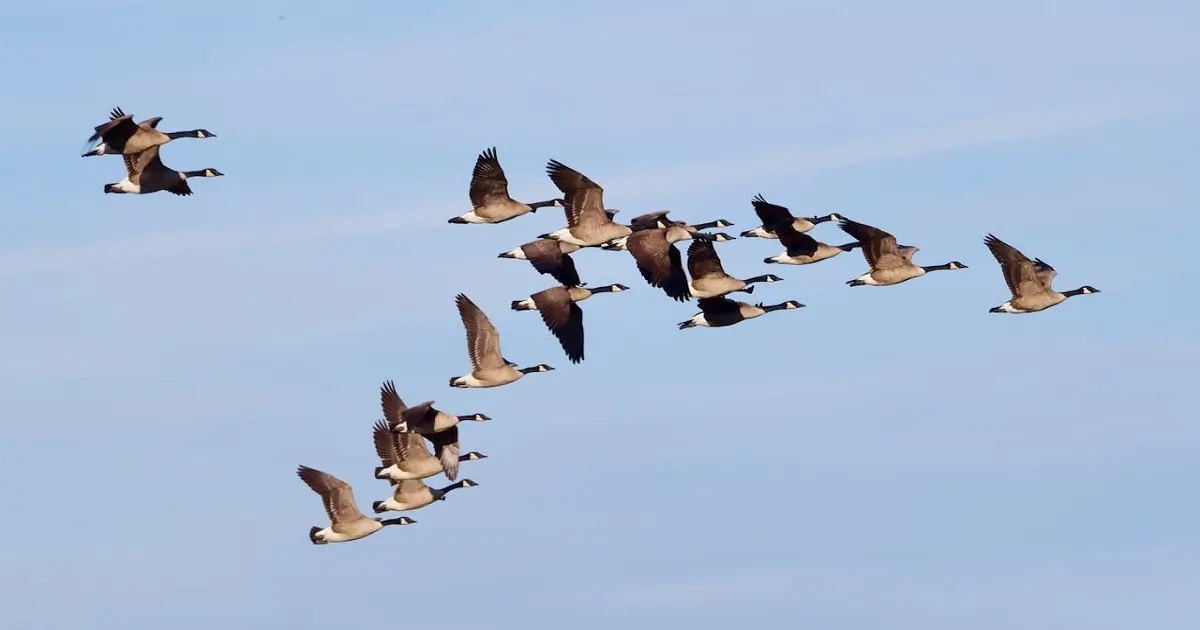
Birds migrate in different ways depending on their environment and needs. These patterns explain how birds adjust to weather, food, and habitat changes. Understanding the types of bird migration helps clarify why some birds travel far, while others move only short distances.
Seasonal Migration
Seasonal migration is the most common form of bird movement. Birds travel north and south as seasons change. In spring, many birds move north to reach rich breeding areas. These regions offer long daylight and plenty of food.
However, as winter approaches, temperatures drop and food becomes scarce. Birds then move south to warmer regions. Seasonal migration in birds helps them avoid harsh climates and survive year after year. Swallows and geese follow this pattern closely.
Altitudinal Migration
Altitudinal migration happens when birds move up or down mountains. Instead of traveling long distances, they change elevation. Birds live at higher altitudes during warmer months. They move downhill when cold weather arrives.
This pattern is common in mountain ecosystems. It helps birds escape snow and food shortages. Altitudinal migration examples include species found in the Himalayas and Andes.
Nomadic Migration
Nomadic birds move in an irregular way. Their migration depends on food availability rather than seasons. These birds travel when resources shift suddenly.
Nomadic migration helps birds survive in dry or unpredictable regions. Seed-eating birds often follow this pattern. They move wherever food appears, even if routes change each year.
Why Do Birds Migrate?
Bird migration is a survival strategy shaped by nature. Birds move to improve their chances of living and raising young. Several factors work together to trigger migration.
Climate and Seasonal Change
Temperature changes strongly influence bird movement. Cold winters reduce food and shelter. Birds migrate to warmer regions where survival is easier. Therefore, migration helps them avoid extreme conditions.
Food Availability and Resources
Food scarcity pushes many birds to migrate. Insects, fruits, and seeds disappear during colder months. Birds move to areas where food remains available. This shift keeps energy levels stable during long seasons.
Breeding and Nesting Needs
Breeding success also drives migration. Birds often nest in areas with fewer predators and rich food. These locations support healthy chick growth. Migration allows birds to raise young under safer conditions.
Together, climate, food, and breeding needs explain why birds migrate each year.
Bird Migration Routes and Flyways
Birds do not migrate randomly. They follow well-established paths known as bird migration routes. These routes reduce risk and improve survival during long journeys.
Major Global Flyways
Flyways are broad corridors used by migrating birds. They connect breeding and wintering areas across continents. Birds follow coastlines, river valleys, and mountain edges. These paths offer food and resting sites.
Many species depend on the same flyways each year. This shared use highlights the importance of protecting key habitats along these routes.
Loop and Long-Distance Migration
Some birds follow loop migration patterns. They use different routes in spring and autumn. Wind direction and food access influence this behavior.
Long-distance migration involves crossing oceans or continents. These journeys demand strong endurance. However, they allow birds to reach ideal seasonal habitats. Transcontinental migration shows how adaptable birds can be.
How Do Birds Navigate During Migration?
Bird migration covers long distances with surprising accuracy. Birds rely on natural cues to stay on course. These cues work together and guide birds across land and water. Besides instinct, experience also improves navigation over time.
Earth’s Magnetic Field
One key tool is Earth’s magnetic field. Birds can sense magnetic signals and avoid drifting off course. This ability helps them travel during cloudy days or at night.
Furthermore, it supports young birds on their first migration. Scientists call this magnetic field navigation. It acts like a built-in compass and guides direction.
Sun, Stars, and Landmarks
Birds also use the sun during daytime travel. They adjust direction based on the sun’s position. At night, many birds rely on stars to orient themselves.
Familiar landmarks such as rivers and coastlines also help. Therefore, bird migration navigation depends on several systems working together.
Famous Migratory Birds and Their Journeys

Some birds are well known for their long and demanding migrations. Their journeys highlight endurance, timing, and precise navigation. These migratory bird examples show how far birds can travel to survive.
Arctic Tern
The Arctic Tern completes the longest bird migration. It travels between polar regions each year. This journey allows it to experience summer twice.
Bar-tailed Godwit
This bird flies nonstop across oceans. It can travel for days without rest or food. Such endurance is rare among birds.
Siberian Crane
The Siberian Crane migrates between northern Asia and South Asia. Wetlands along its route are critical for survival.
Ruby-throated Hummingbird
Despite its small size, this bird crosses large water bodies. It completes long flights without stopping.
Explore More: Capturing the Beauty: Stunning Images of Endangered Animals
How Migration Reflects Global Bird Diversity
Migration shows how birds adapt to different environments. Not all birds migrate the same way or distance. Some move across continents, while others shift regions nearby. This variety reflects how birds evolved to survive in changing habitats.
Bird migration highlights differences in size, diet, and behavior. These traits shape how each species responds to climate and food availability. Therefore, migration patterns help explain why birds occupy diverse ecosystems worldwide.
In fact, migration is one of many adaptations that help explain the remarkable diversity of bird species worldwide. Understanding migration adds context to how birds spread across regions and environments. It also connects individual behavior with global bird diversity and ecological balance.
Why Migratory Birds Matter to Ecosystems
Migratory birds play an important role in keeping ecosystems healthy. Their seasonal movement connects distant habitats. As birds travel, they support balance in nature. Therefore, their presence affects plants, insects, and other animals across regions.
Seed Dispersal and Pollination
Many migratory birds feed on fruits and nectar. While feeding, they carry seeds and pollen to new areas. This process helps plants grow beyond their original range. Furthermore, it supports forest regeneration and plant diversity.
Insect Population Control
Migratory birds consume large numbers of insects. They feed on pests that damage crops and spread disease. As a result, insect populations remain balanced. This natural control reduces the need for chemical pesticides.
Environmental Indicators
Changes in migration timing often signal environmental problems. Birds respond quickly to climate shifts and habitat damage. Therefore, scientists use them as biodiversity indicators. Their patterns reveal the overall health of ecosystems.
Mind-Blowing Facts about Migratory Birds
Bird migration includes many surprising behaviors. These bird migration facts highlight the strength and adaptability of birds.
- Some birds travel more than 40,000 miles each year during migration.
- Many species store extra fat before migration to fuel long flights.
- Several birds migrate mainly at night to avoid predators and heat.
- Migration timing often shifts due to changing climate patterns.
- Young birds migrate successfully even without adult guidance.
These interesting bird facts show how migratory bird behavior supports survival under tough conditions.
Threats and Conservation Challenges
Migratory birds face growing challenges along their routes. These threats affect survival and population stability. Therefore, bird conservation efforts are becoming more important.
Climate Change
Climate change alters temperatures and seasonal timing. Birds may arrive too early or too late for food. This mismatch reduces breeding success. Besides that, weather extremes increase migration risks.
Habitat Loss and Human Impact
Habitat loss disrupts feeding and resting sites. Wetlands, forests, and grasslands continue to shrink. Urban lights and glass structures also cause collisions. These threats to migratory birds reduce safe travel options.
Protecting habitats along migration routes supports long-term survival.
Conclusion
Migratory birds are species that move seasonally to survive changing conditions. This behavior supports access to food, safer climates, and breeding sites. Migratory birds also help ecosystems through seed dispersal and insect control.
However, bird migration faces serious threats from climate change and habitat loss. These pressures affect routes, timing, and survival. Protecting key habitats and reducing human impact can help.
Understanding migratory birds meaning and migration builds awareness of their importance. With informed action, these remarkable travelers can continue their journeys for generations to come.