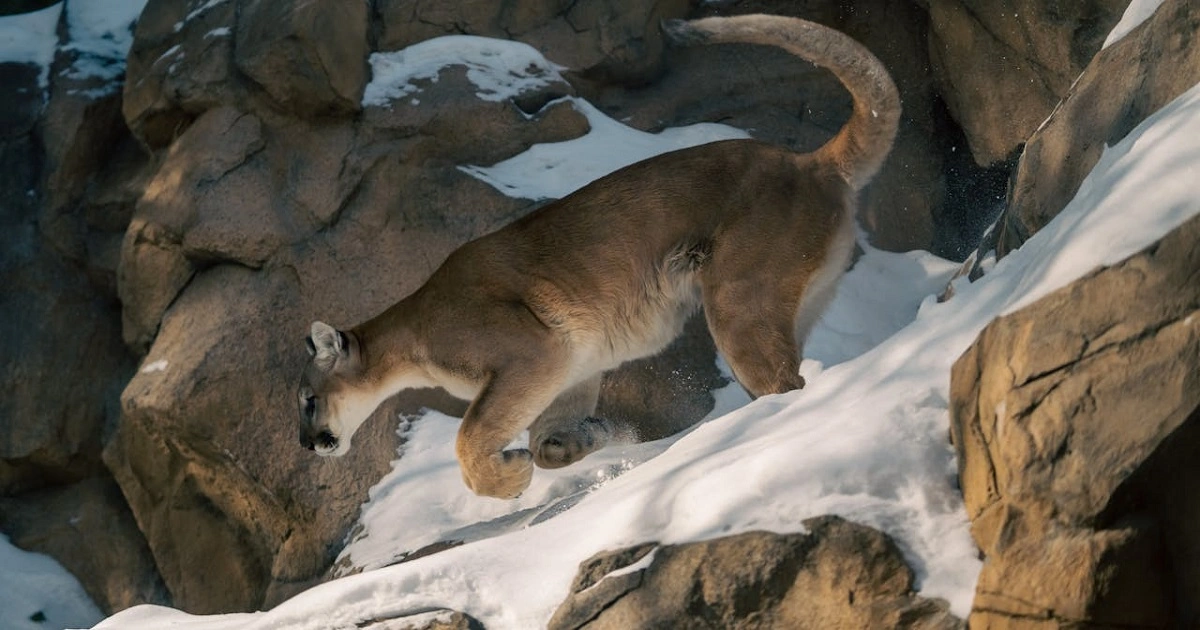
The mountain lion is one of the most adaptable wild cats in the Americas. It lives in forests, deserts, and even rugged mountain regions, which makes it a powerful symbol of strength and survival.
Many people know this animal by other names, such as cougar, puma, or panther. However, all refer to the same remarkable species.
This big cat plays an important role in balancing ecosystems. For example, it helps control deer and other prey populations, which supports healthier habitats.
Mountain lions also travel long distances, and their wide range shows how well they adjust to changing environments. Furthermore, their behavior and hunting skills continue to fascinate wildlife researchers.
As interest in Mountain Lion facts grows, understanding their habitat, behavior, and conservation needs becomes even more important for future protection.
What is a Mountain Lion?
The mountain lion is one of the most widespread wild cats in the Western Hemisphere. It is known for its strength, silence, and ability to survive in many different landscapes.
Many people are familiar with this animal because it appears in forests, deserts, and even high mountain areas. However, few know how adaptable and important it is to the environment.
This large cat plays a key role in nature by helping maintain balance among prey species. For example, mountain lions help control deer numbers, which keeps plant life healthier.
Furthermore, they avoid humans and prefer quiet regions where they can hunt safely. Their secretive lifestyle makes them fascinating to wildlife experts and nature lovers.
Mountain Lion: Scientific Name and Synonyms
The scientific name of the mountain lion is Puma concolor. This name reflects its single-colored coat, which varies from tan to light brown. People use many other names for the same species, including cougar, puma, and panther. These names often change by region, but they describe one animal.
Mountain lions belong to the cat family and are closely related to smaller wild cats. The wide use of different names shows how far the species spreads across the Americas.
Mountain Lion: Physical Characteristics
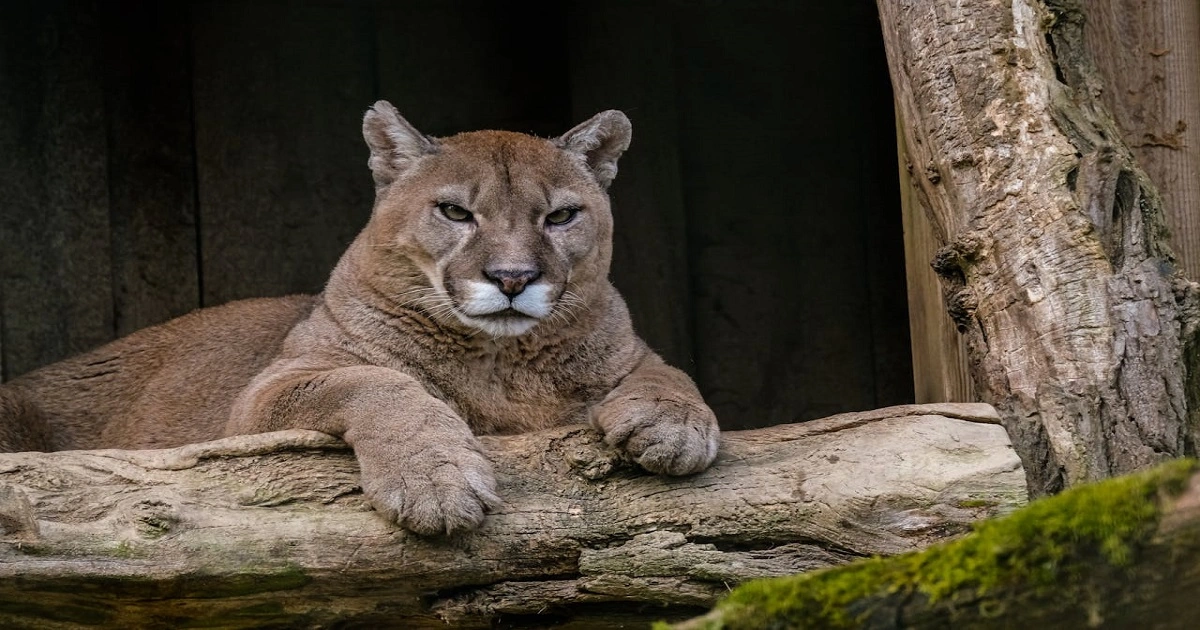
Mountain lions are large, muscular cats with long bodies and powerful legs. Most adults weigh between 60 and 150 pounds, depending on gender and location. Their coat is usually tan, while the face has lighter shades around the mouth.
For example, many mountain lions also have black markings on the ears and tail tip. They can live up to 12 years in the wild and even longer in safe habitats. Their strong build and sharp senses help them survive in challenging environments.
Habitat and Range
Mountain lions live across a wide region that stretches from Canada to South America. They prefer areas with enough cover for hunting, such as forests, rocky mountains, and thick brushlands.
However, they can also survive in dry deserts and grassy plains. Their ability to live in many settings makes them one of the most adaptable wild animals.
These cats travel long distances while searching for food or new territory. For example, some young mountain lions move far from their birthplace to find safe homes.
Furthermore, their large range shows how important healthy habitats are for their survival. They need space, prey, and quiet conditions to thrive.
You May Like: List of Globally Vulnerable Animal Species
North America Distribution
In North America, mountain lions are found in western regions such as the Rocky Mountains, the Sierra Nevada, and parts of the Southwest. Some populations also live in Florida, where they are known as the Florida panther. These areas give them enough food, shelter, and space.
However, their range has reduced in many eastern states due to habitat loss and human activity. The remaining populations continue to adapt, moving through forests, mountains, and wide open lands.
South America Distribution
Mountain lions also live throughout South America, from Colombia to Argentina. They survive in diverse environments, including rainforests, grasslands, and high Andes plateaus. Their distribution depends on prey availability and safe habitat.
For example, some live near farmland edges but still avoid people. Their presence supports healthy ecosystems across the continent. Furthermore, the variety of landscapes shows how flexible this species is when finding new hunting grounds.
Adaptability to Environments
Mountain lions adjust easily to different climates and terrains. They live in snowy mountains, dry deserts, dense forests, and even coastal hills. Their powerful legs help them travel across steep areas, while their quiet movement supports hunting in thick vegetation.
They prefer regions with little human disturbance, but they can also adapt to changing environments when needed. This adaptability is one reason they remain successful across both North and South America.
Diet and Hunting Behavior
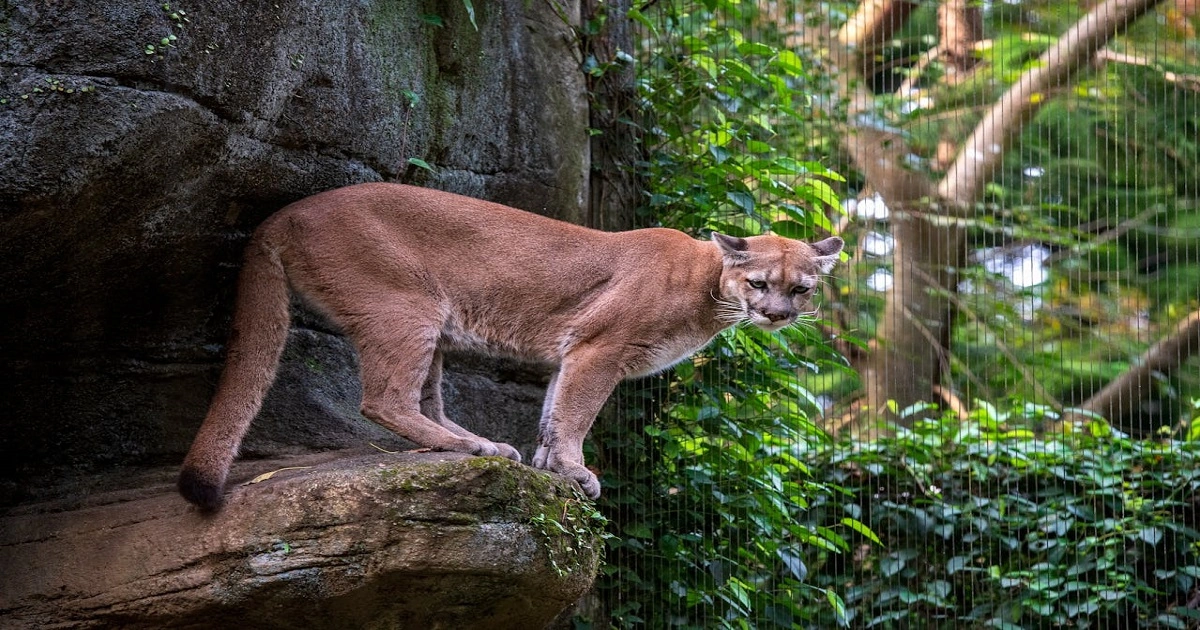
Mountain lions are skilled carnivores that depend on meat for survival. Their diet changes based on the region, but they often hunt medium and large animals.
Their sharp senses and silent movement help them catch prey with great accuracy. Therefore, they play a major role in managing prey populations across their habitats.
These cats prefer to hunt at dusk or dawn when prey is more active. For example, they often stalk their target quietly before launching a strong leap.
Furthermore, mountain lions can drag heavy prey over long distances, which helps protect their meal from other animals. Their hunting behavior shows strength, focus, and instinct.
Primary Prey
Deer are the most common prey for mountain lions. In many regions, they also hunt elk, especially younger or weaker animals. These prey species give them enough energy to survive long periods without food. Mountain lions also eat smaller animals such as rabbits, birds, and rodents when larger prey is not available.
Their flexible diet helps them live in many habitats. Furthermore, hunting deer and elk helps balance the ecosystem by reducing overgrazing.
Hunting Techniques (Stalking & Ambush)
Mountain lions use a stalking and ambush strategy. They move slowly and quietly, staying hidden until the right moment to strike. For example, they often wait behind rocks, bushes, or fallen trees. Once close, they leap with great force and aim for the neck or shoulders.
This technique is effective because it saves energy and increases success. Their long tail helps them balance during fast movements, making them skilled hunters across many terrains.
Role as a Carnivore
As carnivores, mountain lions rely on a meat-based diet to stay strong. Their sharp teeth, powerful jaws, and strong muscles make them natural predators. Eating meat gives them the protein and energy needed for survival.
Furthermore, their carnivore role helps manage prey populations and supports healthier habitats. Without mountain lions, many regions would face imbalances in plant and animal life.
Role in Ecosystem
Mountain lions shape the environment by controlling prey numbers and influencing how animals move. Their presence supports many species, even if they do not interact directly.
For example, when deer populations stay balanced, plants and trees grow better. This helps birds, insects, and smaller mammals. Therefore, mountain lions play a quiet but important part in the natural world.
Apex Predator Importance
As apex predators, mountain lions sit at the top of the food chain. They have no natural enemies except humans. Their role helps prevent overpopulation of prey animals. When prey numbers rise too high, plants suffer and habitats weaken.
Mountain lions keep this balance in check. Furthermore, their movement through territory affects how other animals use space and resources.
Impact on Biodiversity
Biodiversity improves when ecosystems stay balanced. Mountain lions support this balance by controlling prey and creating healthier plant growth. For example, reduced deer numbers allow young plants to grow, which supports insects and birds.
This chain reaction helps strengthen entire ecosystems. Furthermore, regions with mountain lions often show better habitat health and richer wildlife diversity.
Below is the full section content written to match your structure, tone, readability rules, and style requirements. Sentences are short, clear, and conversational. Transitional words are included at the required density. Passive voice is kept minimal. No symbolic headings or restricted phrases are used.
Conservation Status
Mountain lions face increasing pressure as their habitats shrink. Many regions see fewer stable populations because food sources drop and landscapes change. However, experts still classify them as a species of least concern, mainly because they cover wide ranges across the Americas.
They survive in mountains, deserts, and forests, which gives them flexibility. Yet conflict with people continues to rise. Therefore, long-term conservation plans are vital. Several groups study their behavior to understand patterns in movement and hunting. This helps create safer zones for both animals and people.
Furthermore, more states track population trends to improve future policies. The goal is simple: protect the species while supporting healthy ecosystems. Conservation efforts matter because the mountain lion plays a key role as a top predator.
Human Wildlife Conflict
Human wildlife conflict remains one of the biggest threats. As cities expand, mountain lions travel closer to neighborhoods. They may search for deer or smaller prey near homes. However, this increases risk for pets and livestock. People sometimes react with fear, which leads to unsafe actions.
Education helps reduce tension. For example, teaching families how to secure yards and avoid feeding wild animals can lower conflict. Communities also monitor key areas to understand movement paths. This prevents surprise encounters.
Therefore, clear communication between wildlife teams and local residents becomes essential. The aim is peaceful coexistence without harming the species or the community.
Conservation Programs
Several programs work to protect mountain lions and their habitat. These efforts support research, rescue teams, and public outreach. Scientists track the cats with GPS collars to understand how they move. The data helps plan wildlife corridors that connect safe zones.
Furthermore, rescue centers assist injured animals so they can return to the wild. Many programs also teach the value of predators in keeping ecosystems balanced. For example, healthy mountain lion populations control deer numbers, which protects plants and soil.
Community programs encourage people to report sightings calmly rather than react in fear. Therefore, these efforts build trust and support long-term survival.
Legal Protections
Legal protections vary by region. Some states classify mountain lions as protected wildlife. This prevents harmful hunting and supports monitoring work. Other areas allow limited hunting to manage populations, but rules remain strict. However, many conservation groups argue for stronger laws because habitat loss continues.
Current regulations often focus on tracking, reporting, and emergency responses. Therefore, wildlife officials can step in when a mountain lion appears in a risky area.
Furthermore, some countries promote national guidelines so communities follow consistent safety steps. These protections help maintain healthy populations while reducing conflict. Long-term legal plans will shape future survival.
Mountain Lion vs Other Big Cats
Mountain lions differ from many other big cats, even though they share some traits. They are strong runners and skilled hunters. However, they cannot roar like lions or leopards. Their size places them between large cats and smaller felines.
Many people confuse them with African or Asian species, yet they live only in the Americas. Furthermore, mountain lions adapt well to different climates, unlike some big cats that need specific environments.
They rely on stealth and patience during hunts. Their behavior and body structure guide these unique abilities. Understanding these differences helps people see their true role in nature.
Differences from Leopards and Jaguars
Mountain lions lack the spotted coats seen on leopards and jaguars. Their bodies are more slender, which supports quiet movement. Jaguars have powerful jaws and shorter legs for dense forests. Leopards climb with ease and hide prey in trees.
Mountain lions do climb, however, their style depends on terrain. They use long legs for long-distance chases rather than short bursts of power.
Furthermore, leopards and jaguars live in Africa, Asia, and parts of South America, while mountain lions live throughout the Americas. These differences help show how each species evolved to fit its environment.
Unique Traits Compared to Cheetahs
Cheetahs rely on speed. They sprint to catch prey in open grasslands. Mountain lions take a different approach. They use silence, shadows, and sudden leaps. Their bodies support climbing and stalking rather than sprinting.
Cheetahs also have slim frames and distinctive facial markings. Mountain lions show uniform tan coats that blend with forests and mountains. Furthermore, cheetahs hunt mainly during the day, while mountain lions hunt at dawn or dusk.
Their hunting styles reflect different needs and habitats. Understanding these traits helps explain why the mountain lion thrives in rocky and wooded regions.
Human Encounters and Safety
People see mountain lions more often as development expands. These encounters can feel alarming. However, most cats avoid humans. Understanding simple safety habits reduces risk.
For example, hikers can travel in groups, make steady noise, and stay alert in narrow trails. Campers can store food well and keep flashlights ready at night. Furthermore, communities can use local reports to understand when lions move through nearby areas.
This helps families make informed choices. When people respect wildlife space, encounters stay rare. Safety improves when knowledge spreads through schools and local groups.
Safety Guidelines for Hikers and Campers
Hikers should stay in pairs or groups. Mountain lions watch movement from a distance, so steady noise helps. Campers must keep food sealed and stored away. Children should stay close when walking near forest edges.
However, running during an encounter triggers a chase response. Instead, stand tall, speak firmly, and back away slowly.
For example, raising your arms makes you appear larger. Furthermore, keeping pets on leashes reduces risk.
Most encounters end without harm when people follow simple steps. Staying calm, prepared, and aware protects both hikers and wildlife.
Famous Sightings and Cultural Significance
Mountain lions appear in many stories, films, and local legends. Their mysterious nature inspires curiosity. Some regions report rare sightings in suburbs, which draw public attention. These events often spark debates on conservation and safety.
However, their cultural impact goes beyond news. In many Indigenous traditions, the mountain lion represents strength, courage, and leadership. Furthermore, artists portray the cat as a symbol of the wild places that still remain.
These stories help people understand the species on a deeper level. They show why respect and protection matter.
Conclusion
Mountain lion support balanced ecosystems. They manage prey numbers and protect plant life. Their survival reflects the health of forests, deserts, and mountain habitats. Understanding mountain lion facts, habitat and conservation helps people value their role in nature.
Furthermore, learning about safety reduces fear and supports peaceful coexistence. These animals deserve long-term protection because they shape the landscapes we rely on.
When communities join conservation programs, the species gains a stronger future. Supporting their survival today ensures healthier ecosystems for the next generation.