India is one of the most diverse countries for birdlife. Its forests, wetlands, grasslands, and mountains support thousands of species. Among them, rare birds in India hold a special place due to their limited numbers and fragile habitats. These birds are not seen often, yet they play an important role in keeping ecosystems balanced.
Indian bird diversity reflects the health of nature itself. When bird populations decline, it often signals deeper environmental problems. Habitat loss, climate shifts, and human pressure have made several species increasingly rare. Therefore, protecting them has become urgent.
Rare and endangered bird species are more than visual wonders. They help control insects, spread seeds, and maintain food chains. Understanding why these birds are rare helps us see why conservation matters. By learning about them, we also learn how closely our future is linked with theirs.
What Makes a Bird Species Rare?
Not all bird species exist in equal numbers. Some adapt easily to change, while others struggle to survive. A bird becomes rare when its population drops or its living space becomes limited.
Several natural and human-driven factors contribute to this condition. Understanding these factors helps explain why certain birds are seen less often today. It also highlights why protecting them requires focused effort and long-term planning.
Restricted Geographic Range
Birds with a limited geographic range face higher risks. Many endemic birds live only in specific regions or islands. They depend on local climate, food, and nesting conditions.
When these areas change, the birds have nowhere else to go. As a result, even small disturbances can cause major population declines. Limited distribution makes recovery slow and uncertain.
Low Population Size
Small populations increase extinction risk. Birds with fewer individuals struggle to find mates. Genetic diversity also drops over time. This makes species weaker against diseases and climate stress.
Natural disasters can wipe out large portions of such populations. Therefore, even a single threat can push them closer to extinction.
Habitat Specialization and Sensitivity
Some birds depend on very specific habitats. These may include grasslands, wetlands, or dense forests. When these habitats shrink, specialized birds suffer first. They cannot easily adapt to new environments.
Besides this, sensitive species react strongly to noise, pollution, and human presence. Such sensitivity further increases their rarity.
Geographic Distribution of Rare Birds in India

India supports rare birds across many landscapes. Each region offers unique conditions that shape bird life. From icy mountains to tropical islands, habitats vary widely.
This geographic spread explains why rare birds of India are not found in one single area. Instead, they are scattered across biodiversity hotspots with distinct ecological features.
Himalayan Region
The Himalayan region hosts high-altitude and cold-adapted birds. Steep terrain and alpine forests create isolated habitats. Many species here live above the tree line. However, climate change is altering snowfall and vegetation.
These changes affect nesting and food availability. As a result, several mountain birds face increasing pressure.
Western Ghats
The Western Ghats are rich in forest birdlife. Dense vegetation and steady rainfall support many endemic species. These Indian bird habitats evolved over millions of years. However, deforestation and plantations have reduced forest cover.
Fragmented forests make survival harder for rare birds that need large, continuous areas.
Northeast India
Northeast India combines hills, wetlands, and rainforests. This mix supports high bird diversity. Many rare birds depend on grasslands and floodplains here.
Yet, farming expansion and infrastructure projects are changing land use. Therefore, several species now face shrinking and disturbed habitats.
Island Ecosystems Andaman and Nicobar
Island ecosystems host birds found nowhere else. The Andaman and Nicobar Islands support several endemic species. These birds evolved in isolation over long periods.
However, cyclones, invasive species, and habitat loss pose serious threats. Because island habitats are small, recovery options remain limited.
Unique Traits of Rare Indian Birds
Rare Indian birds are not only scarce but also remarkable. Their traits reflect long adaptation to specific environments. These features make them biologically important and visually striking.
At the same time, such specialization increases vulnerability. Exploring these traits helps explain both their uniqueness and their risk.
Adaptations to Specialized Habitats
Many rare birds show strong avian adaptations. Some have long legs for wetland feeding. Others have strong beaks for specific seeds or insects. These traits suit narrow habitats perfectly.
However, when habitats change, these advantages turn into limitations. Specialized adaptations reduce flexibility in new conditions.
Distinctive Physical and Behavioral Features
Rare birds often display unique bird traits. These may include bright plumage, unusual calls, or special courtship displays. Some species feed at specific times or use rare hunting methods.
Such behaviors help them survive in stable environments. Yet, sudden environmental shifts disrupt these finely tuned patterns.
Ecological Roles in Indian Ecosystems
Rare birds play important ecosystem roles. Some control insect populations. Others disperse seeds across forests and grasslands. Scavenging birds help prevent disease spread.
When rare species disappear, ecosystems lose balance. Therefore, protecting them supports wider ecological health, not just individual species.
Notable Rare and Endangered Birds of India
India is home to several bird species that are rarely seen today. These birds stand out due to their appearance, behavior, and restricted habitats. Each species reflects a unique story of adaptation and survival. Learning about them helps readers understand why conservation efforts matter so deeply.
Great Indian Bustard
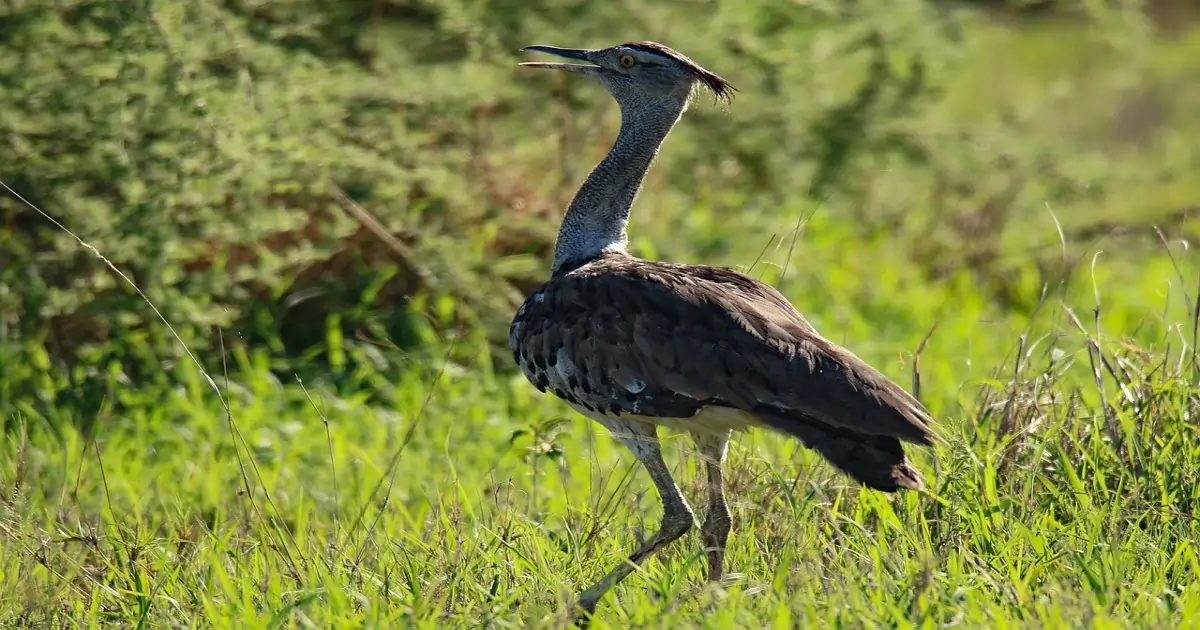
The Great Indian Bustard (Ardeotis nigriceps) is one of the heaviest flying birds. It has a tall body, long legs, and sandy brown plumage that blends with grasslands. This bird lives mainly in dry regions of Rajasthan and Gujarat.
Its slow movement and ground nesting make it vulnerable. Today, it is among the most endangered birds in the country.
Forest Owlet
The Forest Owlet is small yet striking. It has a rounded head, white underparts, and dark brown wings. Unlike most owls, it hunts during daylight. This bird lives in dry deciduous forests of central India.
Due to forest loss, its population remains very limited. Its rediscovery brought hope but also concern.
Indian Skimmer
The Indian Skimmer has a bold black and white body. Its bright orange bill is unusual, with a longer lower jaw. It lives near rivers, lakes, and wetlands. While flying low, it skims water to catch fish.
Pollution and river disturbance threaten its feeding grounds. As a result, sightings have become rare.
Black-necked Crane
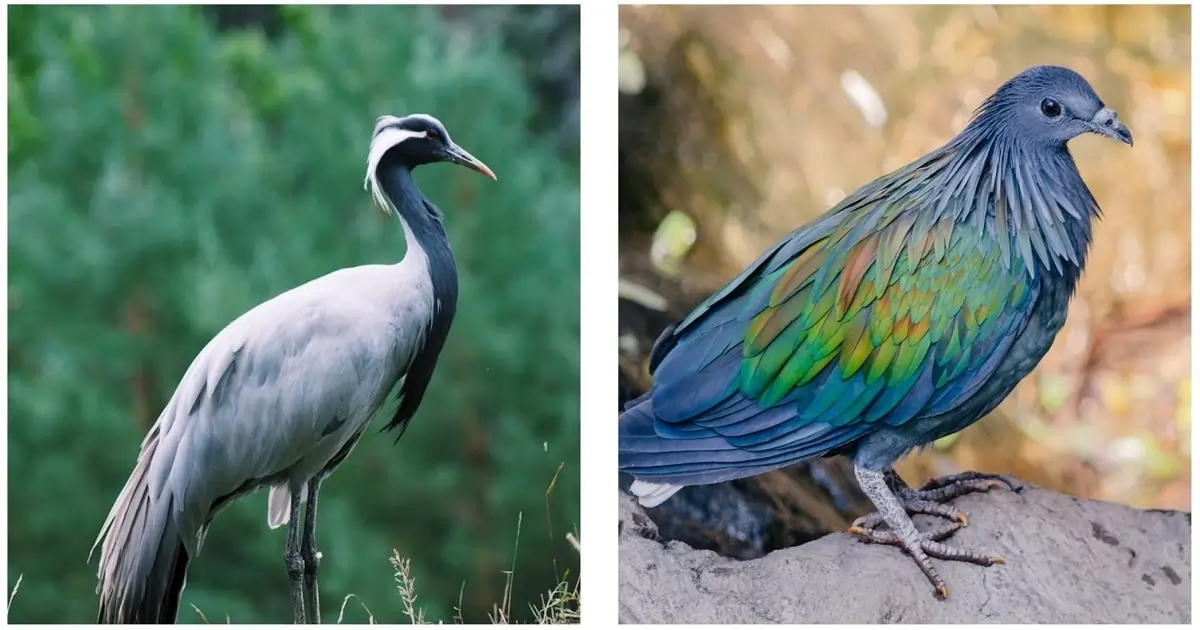
The Black-necked Crane looks elegant with its grey body and black neck. A red patch on its head adds contrast. It breeds in high-altitude wetlands of Ladakh. During winter, it moves to lower valleys.
Wetland loss and human activity affect its survival. Many communities respect this bird for its cultural value.
Nicobar Pigeon
The Nicobar Pigeon is visually striking. Its feathers shine with metallic green and blue tones. It also has a white tail and long neck feathers. This bird lives in forested islands of the Nicobar region.
Habitat loss and hunting have reduced its numbers. Its link to the extinct dodo makes it even more significant.
Explore More: List of Globally Vulnerable Animal Species
Why Rare Birds Matter to India’s Biodiversity
Rare birds support the balance of nature in quiet but powerful ways. They help control insects, spread seeds, and recycle nutrients. Their presence reflects healthy ecosystems. When rare species decline, ecosystems often weaken. Therefore, protecting them protects entire habitats.
Bird diversity in one country also connects to global bird species patterns. The loss of regional species affects overall avian biodiversity worldwide. Understanding rare birds at a local level helps explain broader questions about bird populations.
These patterns help explain how many bird species are there in the world? and why regional losses matter globally
Major Threats Facing Rare Birds in India
Rare birds in India face growing pressure from many sides. These threats often work together and increase long-term risk. Human activity remains the main driver of decline. Addressing these issues requires awareness and careful planning.
Habitat Loss and Fragmentation
Habitat loss is one of the biggest threats to birds in India. Forest clearing, wetland drainage, and land conversion reduce nesting space. Fragmented habitats isolate bird populations.
This makes breeding harder. Over time, small groups struggle to survive without safe, connected environments.
Pollution and Climate Extremes
Pollution affects birds through poisoned water and reduced food sources. Pesticides harm insects that birds depend on. Climate extremes also disrupt breeding cycles. Heat waves dry wetlands. Floods destroy nests. These climate impacts on birds reduce survival rates each year.
Illegal Trade and Human Disturbance
Illegal bird trade continues to harm rare species. Some birds are captured for sale or kept as pets. Human disturbance near nesting sites also causes stress.
Loud noise and tourism affect breeding success. Reducing these pressures is vital for long-term conservation.
Conservation Efforts Protecting Rare Birds in India
Protecting rare birds requires steady and coordinated action. Across India, several efforts now focus on saving threatened species and their habitats. These actions combine science, law, and community support.
As a result, some declining bird populations have shown early signs of recovery.
Protected Areas and Legal Measures
India has created national parks, wildlife sanctuaries, and conservation reserves to protect birds. These protected areas reduce habitat loss and human pressure. Laws such as wildlife protection rules also restrict hunting and trade.
Besides this, monitoring programs track bird populations over time. Such measures provide a safer space for rare species to survive.
Community and Awareness-Based Conservation
Local communities play a growing role in conservation. Awareness programs help people understand why birds matter. Farmers now adopt bird-friendly practices in some regions.
Furthermore, eco-tourism supports conservation while providing income. When communities feel involved, protection efforts become stronger and more lasting.
How Individuals Can Help Protect Rare Birds
Saving rare birds is not limited to experts alone. Everyday actions by individuals can create meaningful change. Small choices, when repeated widely, help reduce pressure on fragile ecosystems. Therefore, personal responsibility remains an important part of conservation.
Simple Actions That Make a Difference
- Support wildlife organizations through donations or volunteering when possible.
- Avoid buying bird feathers, eggs, or live birds from any source.
- Reduce plastic use and chemical waste to protect bird habitats.
- Share knowledge about bird conservation to raise awareness among others.
Conclusion
Rare birds reflect the health of nature and the balance of ecosystems. When they disappear, deeper environmental problems often follow. Protecting rare birds in India supports biodiversity, livelihoods, and natural stability.
Every effort, whether large or small, contributes to this goal. By caring for birds today, we help protect the environment for future generations.