Environmental pollution has become one of the most serious challenges facing the modern world. Rapid development, growing populations, and increased consumption have placed heavy pressure on natural systems. As a result, harmful substances enter the air, water, and land more frequently than ever before.
Understanding environmental pollution causes and control is essential for protecting natural resources and ensuring long-term sustainability. This article focuses on why environmental pollution occurs and how it can be controlled through practical actions, policies, and responsible behavior.
While pollution leads to wider consequences, this discussion remains centered on causes and preventive solutions to support effective environmental management.
What Is Environmental Pollution?
Environmental pollution occurs when harmful substances disturb the natural balance of air, water, or land. These substances may come from human activities such as industrial production, transportation, or waste disposal. Although natural sources exist, human actions remain the primary drivers of pollution today.
For a broader understanding of how pollution is categorized and addressed, see our detailed guide on pollution types, causes, effects, and control measures.
Pollution appears in different forms, including air, water, soil, and noise pollution. Each form originates from specific activities and requires targeted control measures. Understanding pollution at its source helps guide prevention efforts and supports effective environmental planning.
While this article focuses on environmental pollution causes and control, the effects of environmental pollution on human health, ecosystems, and climate are discussed separately.
Major Causes of Environmental Pollution
Environmental pollution develops due to interconnected human activities. These causes often overlap and intensify each other.
Industrial and Manufacturing Activities
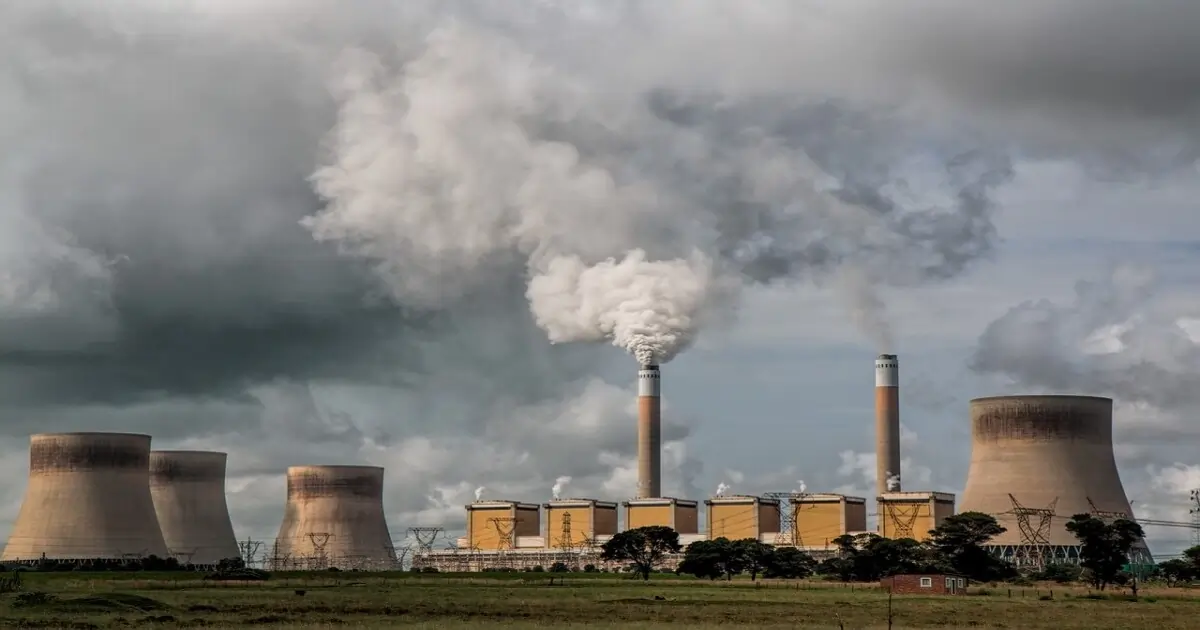
Industries release gases, chemicals, and waste into the environment. Smoke from factories pollutes the air, while untreated liquid waste contaminates nearby water sources. Improper disposal of industrial byproducts also degrades soil quality.
As industrial activity expands, pollution levels rise unless strict controls are applied.
Agricultural Practices and Chemical Use
Modern agriculture relies heavily on fertilizers and pesticides. Excess chemicals seep into soil and water bodies through runoff. Over time, land quality declines, and water sources become contaminated.
Poor irrigation practices further increase pollution risks, especially in farming regions.
Urbanization and Population Growth
Rapid urban growth generates large amounts of waste. Cities struggle to manage solid waste, sewage, and construction debris. As green spaces shrink, land becomes more vulnerable to contamination.
High population density also increases pressure on water resources and waste systems.
Transportation and Fossil Fuel Use
Vehicles contribute significantly to environmental pollution. Fuel combustion releases harmful gases into the air. Road expansion and traffic congestion worsen pollution levels in urban areas.
Dependence on fossil fuels remains a major challenge for pollution control efforts.
Improper Waste Disposal and Consumer Habits
Plastic waste, electronic waste, and household garbage often end up in open dumps. Improper disposal allows toxins to seep into soil and water.
Overconsumption and lack of recycling further increase pollution levels across regions.
How Environmental Pollution Can Be Controlled
Effective pollution control requires combined efforts from governments, industries, communities, and individuals.
Government Policies and Environmental Regulations
Strong environmental laws help reduce pollution at its source. Emission limits, waste management rules, and penalties for violations encourage compliance.
Policies promoting renewable energy and sustainable practices support long-term pollution control. International bodies such as the United Nations Environment Programme also highlight prevention-focused approaches, as explained in their overview of different forms of pollution.
Adoption of Clean and Renewable Technologies
Switching to clean energy reduces dependence on polluting fuels. Solar, wind, and hydroelectric power generate energy with minimal environmental impact.
Energy-efficient machinery and electric transport systems also help lower pollution levels.
Sustainable Agriculture and Land Management
Reducing chemical use in farming protects soil and water quality. Organic farming, crop rotation, and responsible irrigation limit land degradation.
Sustainable land management ensures that agricultural activities remain environmentally balanced.
Waste Management and Recycling Systems
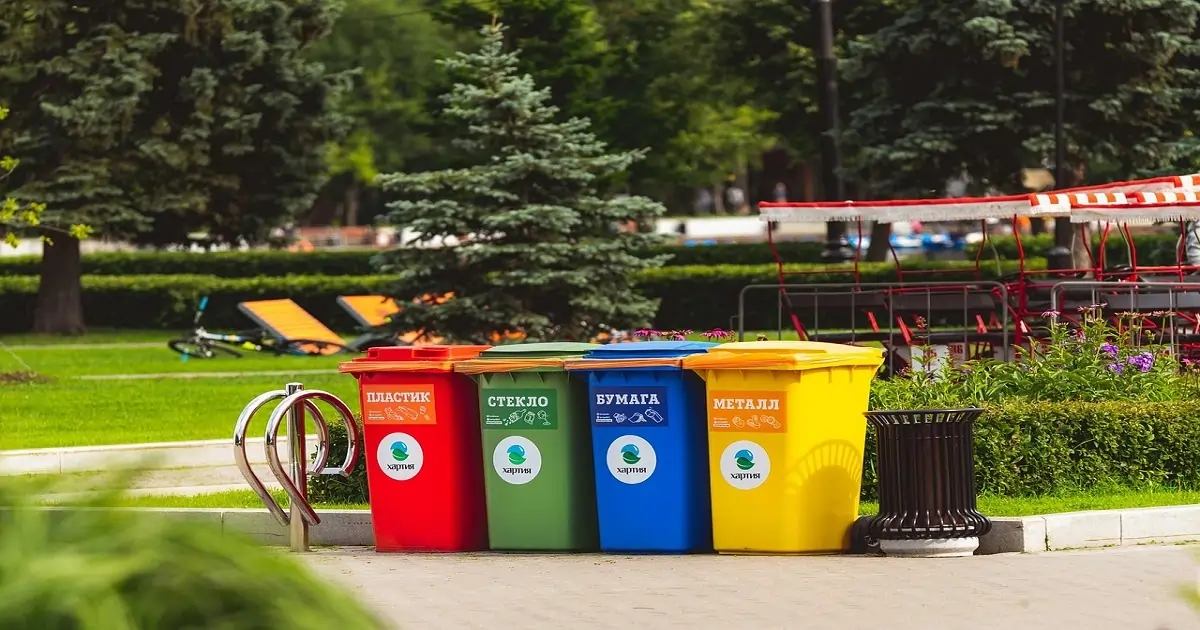
Proper waste segregation and recycling reduce land pollution significantly. Reusing materials and promoting biodegradable alternatives lower the volume of waste entering landfills.
Well-planned waste treatment systems prevent contamination of nearby land and water sources.
Public Awareness and Individual Responsibility
Public education plays a vital role in pollution control. Simple actions such as reducing plastic use, conserving energy, and proper waste disposal make a difference.
Community participation strengthens environmental protection efforts at the local level.
Why Controlling Environmental Pollution Is Essential
Controlling environmental pollution helps protect natural resources needed for future generations. Clean land, water, and air support sustainable development and economic stability.
Preventive measures also reduce long-term environmental management costs. When pollution is controlled early, ecosystems and resources remain usable for longer periods.
By addressing pollution causes directly, societies can maintain environmental balance and reduce pressure on natural systems.
Conclusion
Environmental pollution results mainly from human activities such as industrial production, agriculture, transportation, and improper waste disposal. Understanding these causes allows targeted and effective control measures.
By strengthening regulations, adopting clean technologies, managing waste responsibly, and encouraging public awareness, pollution levels can be reduced steadily.
Addressing environmental pollution causes and control remains a key step toward sustainable development. Collective responsibility and consistent action are essential to protect the environment for the future.