Environmental pollution now affects daily life in ways many people quietly experience. Air feels heavier in cities. Water sources show visible stress. Besides that, natural spaces no longer recover as they once did. These changes are not isolated. Instead, they connect human health, ecosystems, and climate into one shared problem.
The effects of environmental pollution appear through rising health concerns, damaged habitats, and shifting weather patterns. Furthermore, pollution moves across borders through air, water, and soil. Therefore, its impact reaches far beyond its original source.
Understanding these connections helps explain why environmental pollution matters to everyone. This discussion explores how pollution influences human well-being, disrupts ecosystems, and intensifies climate pressures worldwide.
Environmental Pollution and Its Expanding Global Impact
Environmental pollution refers to harmful changes in air, water, and land caused by human activities. These changes now extend far beyond local areas. Pollution travels through wind, rivers, and soil. As a result, its reach has become global.
The effects of environmental pollution no longer stay limited to one place or one problem. Health issues, ecosystem damage, and climate stress now occur together. Furthermore, urban growth, industrial activity, and resource overuse increase this connection. Therefore, pollution in one region can affect people and nature elsewhere.
Today, the impact of environmental pollution links human well-being, natural systems, and climate patterns. These shared impacts explain why pollution is a worldwide concern, not a local issue.
Major Types of Environmental Pollution Affecting the Planet
Environmental pollution appears in several forms, each affecting the planet differently. Together, these types create continuous pressure on natural systems. When they occur at the same time, environmental stress increases further.
Air, Water, Soil, and Noise Pollution
Air pollution harms breathing and reduces air quality. Water pollution damages rivers, lakes, and drinking sources. The effects of water pollution on environment and human health show how contaminated water threatens ecosystems, food safety, and public well-being.
Soil pollution lowers land fertility and affects food safety. Noise pollution disrupts sleep, wildlife behavior, and mental well-being. Common sources of noise pollution and everyday examples show how transport systems, construction activity, and urban life create persistent sound-related environmental stress.
Each type alone causes harm. However, combined exposure worsens the effects of pollution on environment. Polluted air settles into soil and water. Contaminated water affects crops and food chains. Therefore, pollution often spreads across systems instead of remaining isolated.
Environmental Pollution Impact on Human Health

Environmental pollution directly influences human health in daily life. People face exposure through air, water, food, and surroundings. Some effects appear quickly. Others develop slowly over time.
Short-Term Health Effects of Pollution Exposure
Short-term exposure often causes coughing, headaches, skin irritation, and stomach problems. Poor air quality triggers breathing discomfort. Polluted water increases digestive infections. Besides that, noise pollution raises stress and sleep disturbance.
These effects may seem mild. However, repeated exposure makes recovery harder. Children and older adults feel these impacts more strongly.
Long-Term Health Risks Linked to Environmental Pollution
Long-term exposure creates deeper health problems. Environmental pollution impact on health includes asthma, heart disease, and weakened immunity. Toxic substances can build up in the body over years.
Furthermore, polluted food and water increase chronic illness risk. Elderly people and children remain especially vulnerable. Therefore, reducing long-term exposure is critical for protecting public health.
Pollution Effects Explained in a Broader Environmental Context
Pollution rarely affects only one part of the environment. Air, water, and soil systems interact every day. Therefore, damage in one area often spreads to others. Smoke particles settle on land and water. Polluted rivers carry toxins far from their source.
This interconnected nature highlights the impact of environmental pollution on both people and nature. Health problems, ecosystem stress, and climate pressure often rise together. Besides that, pollution sources and effects overlap across regions.
A broader understanding of pollution and its interconnected effects appears in Pollution: Types, Causes, Effects, and Control Measures. Seeing pollution as a connected system helps explain why isolated solutions often fail. Integrated awareness becomes essential for long-term protection.
Environmental Pollution Effects on Ecosystems and Biodiversity
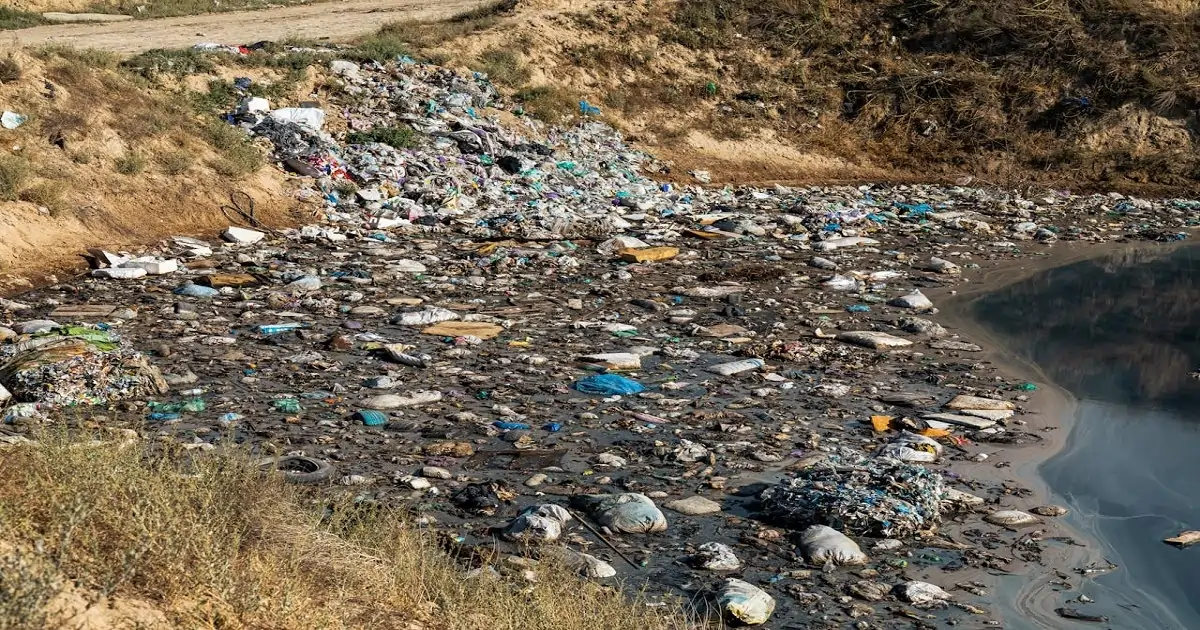
Natural ecosystems depend on balance. Environmental pollution steadily disrupts this balance across land and water systems. Over time, these disturbances reduce ecosystem strength and resilience.
Damage to Terrestrial and Aquatic Ecosystems
Polluted soil weakens plant growth and reduces land productivity. Land pollution causes, effects, and practical solutions explain how soil contamination spreads and how it can be reduced. Toxic runoff enters rivers and lakes. As a result, aquatic plants and animals struggle to survive. Besides that, oil spills and chemical waste damage coastal habitats.
Forests also suffer when air pollutants settle on leaves and soil. This stress slows growth and increases disease risk. Therefore, entire ecosystems lose their ability to recover naturally.
Loss of Biodiversity and Ecological Balance
Environmental pollution effects on ecosystems often lead to species decline. Sensitive plants and animals disappear first. Predators then lose food sources. Consequently, food chains break down.
Furthermore, reduced biodiversity limits ecosystem services like pollination and water purification. Over time, nature becomes less stable and more vulnerable to future disturbances.
How Environmental Pollution Contributes to Climate Change
Environmental pollution plays a direct role in warming the planet. Industrial emissions release greenhouse gases into the atmosphere. These gases trap heat and disrupt natural temperature balance.
Polluted industries also produce black carbon and other particles. These substances absorb heat and accelerate ice melt. Therefore, pollution intensifies climate stress beyond carbon dioxide alone.
The effects of environmental pollution also create feedback loops. Rising temperatures increase pollution formation. Warmer water holds less oxygen, harming aquatic life further. Over time, these changes reshape weather patterns, ecosystems, and human livelihoods.
Key Environmental Pollution Effects at a Glance
Environmental pollution creates visible and hidden problems across daily life. Some effects appear quickly. Others develop over time. Therefore, viewing these impacts together helps clarify the full picture.
1. Health-Related Effects
Polluted air triggers breathing discomfort and fatigue. Contaminated water increases digestive infections. Besides that, noise exposure raises stress and sleep problems. Children and older adults often face higher risks. Over time, repeated exposure weakens immunity and increases chronic illness.
2. Ecosystem and Climate-Related Effects
Environmental pollution damages soil, water bodies, and forests. As a result, plants and animals struggle to survive. Food chains weaken. Furthermore, polluted industries release gases that trap heat. These changes disturb climate patterns and reduce ecosystem stability worldwide.
Why Environmental Pollution Effects Matter Today
Environmental pollution now influences personal choices and public decisions. People depend on clean air, safe water, and stable climates. Therefore, understanding these effects helps guide healthier daily habits.
Governments also rely on impact data to shape environmental policies. Besides that, awareness supports responsible resource use and conservation efforts. The effects of pollution on environment highlight the need for informed action at both individual and societal levels.
Recognizing these connections encourages accountability and long-term environmental responsibility.
Conclusion
Environmental pollution affects health, ecosystems, and climate in connected ways. Breathing issues, habitat loss, and climate stress rarely occur alone. Instead, they reinforce each other over time.
Awareness remains the first step toward meaningful change. Recognizing the effects of environmental pollution helps people understand risks before exploring solutions. Furthermore, informed discussions support better decisions at community and policy levels.
Protecting natural systems and human well-being begins with understanding how pollution shapes the world around us.