Wildlife conservation has become a pressing concern in a rapidly changing world. As forests shrink and climates shift, the balance of nature is increasingly disturbed. Many species now struggle to survive in habitats shaped by human activity. Therefore, protecting wildlife is no longer optional; it is essential.
Healthy wildlife populations support ecosystems that people depend on every day. Animals help regulate food chains, maintain soil health, and support plant growth. Besides this, wildlife contributes to livelihoods, culture, and knowledge systems across societies.
The importance of wildlife conservation also extends to human well-being and economic stability. From tourism to medicine, nature supports many aspects of modern life. Furthermore, countries like India rely heavily on biodiversity for ecological security.
Understanding these connections helps explain why wildlife conservation matters today.
Why the Importance of Wildlife Conservation Is Growing Today
Wildlife conservation is gaining attention because natural habitats are disappearing fast. Forests are cleared for cities, roads, and farms. As a result, many animals lose their homes and struggle to survive. Besides this, wetlands and grasslands are shrinking, which affects birds and small species.
Climate change has added more pressure on wildlife. Rising temperatures, changing rainfall, and extreme weather disturb breeding and migration patterns. Therefore, many species fail to adapt quickly enough. Over time, this leads to population decline and local extinctions.
Species loss is now happening at an alarming rate. Animals that once thrived are becoming rare. Also, humans and wildlife interact more often due to shared spaces. This increases conflict and risks for both. Furthermore, protecting wildlife today helps prevent irreversible damage tomorrow.
What Are the Different Types of Wildlife Conservation?
Wildlife conservation follows different approaches to protect species and habitats. Each method plays a role based on the level of threat and environmental conditions.
Some approaches focus on protecting animals in nature, while others support survival outside natural habitats. Together, these methods help maintain ecological balance and species diversity.
Biodiversity is conserved through different approaches, including in situ and ex situ conservation methods, which support species survival under varied environmental conditions.
Each approach serves a specific purpose, depending on where and how wildlife can be protected.
In Situ Conservation
In situ conservation protects wildlife within natural habitats. Forests, national parks, and reserves are common examples. Animals live and breed in familiar surroundings. Therefore, natural food chains and ecological processes remain intact.
This method supports long-term survival of species. It also protects entire ecosystems instead of single species. Besides this, local communities often benefit through sustainable use and eco-friendly tourism.
Ex Situ Conservation
Ex situ conservation protects species outside natural habitats. Zoos, wildlife breeding centers, and seed banks support this approach. It is used when species face serious survival threats in the wild.
This method helps increase population numbers under controlled conditions. Also, it allows scientific study and safe breeding. Furthermore, some species are later reintroduced into natural habitats to restore balance.
Ecological Importance of Wildlife Conservation
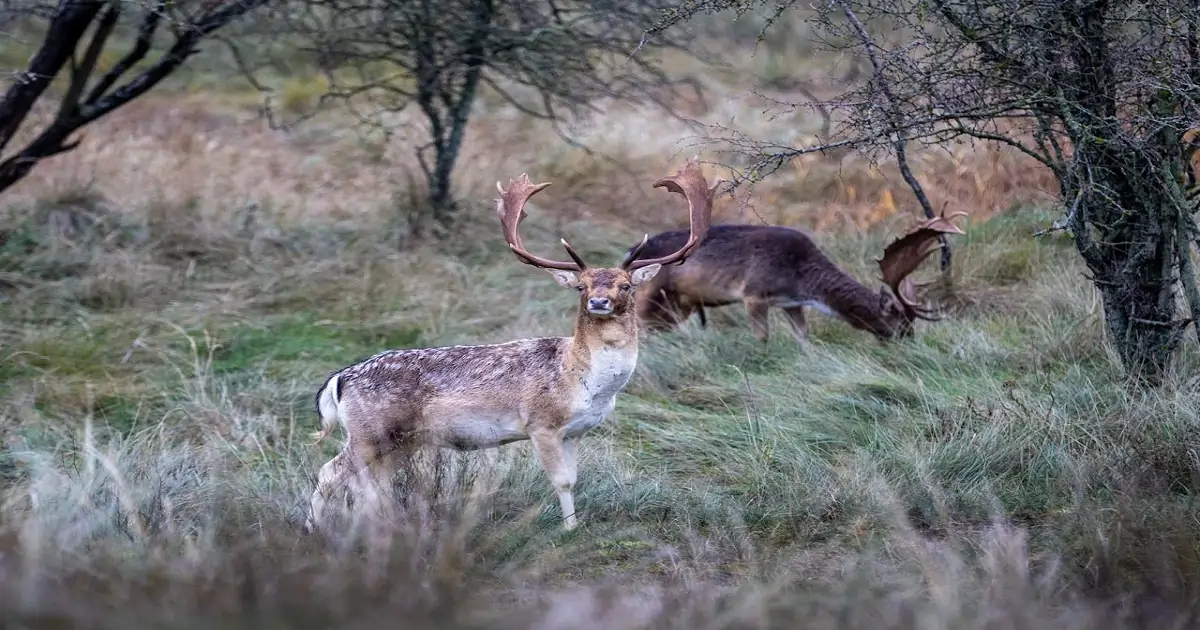
Wildlife plays a key role in keeping nature stable and functional. Every species interacts with others in complex ways. When one species declines, the impact spreads across the ecosystem. Therefore, wildlife conservation supports natural balance and long-term environmental health.
Ecological systems depend on animals to regulate food chains and energy flow. Predators control prey populations, while herbivores shape vegetation growth. Besides this, wildlife helps recycle nutrients and maintain soil quality. These processes keep ecosystems productive and resilient.
Research on ecosystem balance shows that conserving wildlife protects vital natural functions such as nutrient cycling and habitat stability, as highlighted in studies on wildlife and ecosystem balance.
Maintaining Ecological Balance
Wildlife helps maintain ecological balance through nutrient cycles and population control. Decomposers break down organic matter and return nutrients to the soil. Plants then absorb these nutrients and support new growth. This cycle sustains forests, grasslands, and wetlands.
Predator–prey relationships also regulate animal numbers. Predators prevent overpopulation of herbivores, which protects vegetation from excessive grazing. As a result, habitats remain healthy and stable. Besides this, balanced ecosystems recover faster from natural disturbances.
Supporting Biodiversity and Ecosystem Services
Wildlife supports essential ecosystem services that humans often overlook. Pollinators such as bees help crops and wild plants reproduce. Birds and mammals disperse seeds, allowing forests to regenerate naturally.
Animals also contribute to water purification by maintaining wetland ecosystems. Healthy forests regulate rainfall and reduce flood risks. Furthermore, wildlife helps regulate climate by supporting carbon storage in natural habitats. Protecting wildlife therefore safeguards services that sustain both nature and people.
Importance of Wildlife Conservation for Biodiversity
Wildlife conservation plays a direct role in protecting biodiversity. Biodiversity includes genetic variation, species diversity, and ecosystem variety. When wildlife declines, this diversity weakens. As a result, ecosystems become fragile and less adaptable.
Genetic diversity helps species survive disease, climate stress, and habitat changes. Conservation ensures that populations remain large and healthy enough to adapt. Besides this, species depend on each other for survival. Losing one species can disrupt entire ecological networks.
Studies on biodiversity preservation show that protecting wildlife strengthens ecosystem resilience and long-term stability, as explained in research on biodiversity conservation benefits.
Healthy ecosystems recover better from environmental change. They also provide food, water, and shelter for countless organisms. Therefore, wildlife conservation supports adaptation and balance in a rapidly changing world.
Economic Importance of Wildlife Conservation
Wildlife conservation supports economies at local and global levels. Many communities depend on nature-based activities for income. Ecotourism creates jobs while encouraging protection of natural areas. Visitors travel to see wildlife, which supports guides, hotels, and local markets.
Agriculture also benefits from healthy wildlife populations. Pollinators increase crop yields and improve food security. Birds and insects help control pests naturally, reducing the need for chemicals. This lowers costs for farmers and protects soil and water quality.
Besides immediate benefits, wildlife conservation supports long-term economic stability. Healthy ecosystems reduce disaster risks such as floods and soil erosion. Furthermore, conserving wildlife protects natural resources for future generations, ensuring sustainable growth over time.
Medicinal and Scientific Importance of Wildlife Conservation
Wildlife has long supported human health and scientific progress. Many traditional medicines use plant and animal sources found in natural ecosystems. Indigenous knowledge often guides the use of herbs and natural compounds. Therefore, protecting wildlife helps preserve valuable healing practices.
Modern medicine also depends on biodiversity. Several life-saving drugs originate from plants, fungi, and marine organisms. Scientists study wildlife to discover new treatments for infections, cancer, and other diseases. Besides this, natural compounds often inspire safer and more effective medicines.
Wildlife conservation also supports research and innovation. Healthy ecosystems allow scientists to study species in natural conditions. However, species loss reduces medical possibilities. When a species disappears, its unique chemical properties are lost forever. Protecting wildlife therefore protects future medical discoveries.
Importance of Wildlife Conservation for Human Well-Being
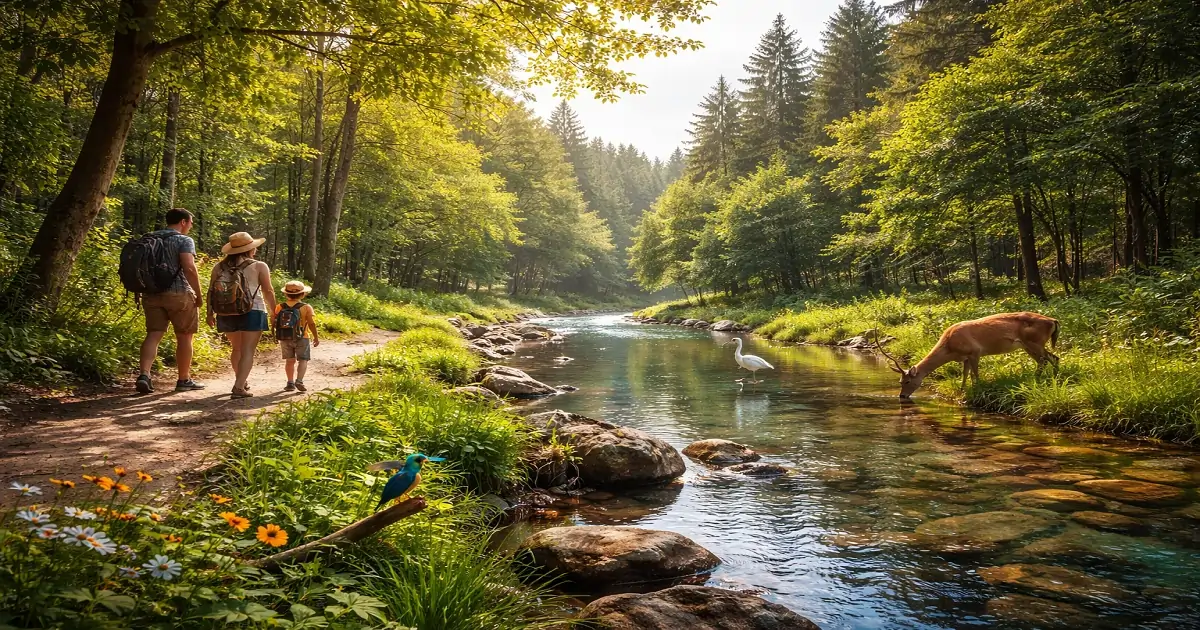
Wildlife conservation directly supports human well-being in many ways. Healthy ecosystems provide clean air and fresh water. Forests filter pollutants, while wetlands purify water naturally. As a result, communities enjoy safer living environments.
Climate stability also depends on wildlife-rich ecosystems. Forests and oceans help regulate temperatures and rainfall. Besides this, wildlife supports food systems through pollination and soil health. These processes ensure steady food production and nutrition.
Nature also benefits mental and cultural well-being. Spending time in natural areas reduces stress and improves emotional health. Furthermore, wildlife connects people to cultural values and traditions. Conserving wildlife therefore improves quality of life for present and future generations.
Cultural and Ethical Importance of Wildlife Conservation
Wildlife holds deep cultural meaning for many societies. Indigenous communities often see animals as symbols, teachers, or guardians. Stories, rituals, and traditions reflect strong connections with nature. Preserving wildlife helps protect these cultural identities.
Ethical responsibility is another key reason for conservation. Humans share the planet with countless species. Therefore, protecting wildlife reflects respect for life and natural balance. It also promotes compassionate use of natural resources.
Wildlife conservation also supports intergenerational equity. Future generations deserve a healthy planet with rich biodiversity. By conserving wildlife today, society ensures that natural heritage remains available tomorrow.
10 Importance of Wildlife Conservation in India
India is one of the world’s richest regions for biodiversity. Wildlife conservation supports ecological security and human well-being across the country. Its importance is visible in many interconnected areas of life and development.
- Biodiversity hotspot protection
India hosts global biodiversity hotspots. Wildlife conservation protects rare species and fragile ecosystems that exist nowhere else. This helps maintain ecological balance and genetic diversity.
- Forest-dependent livelihoods
Millions depend on forests for food, fuel, and income. Conserving wildlife supports sustainable livelihoods for tribal and rural communities. Therefore, conservation reduces poverty and resource conflict.
- Climate resilience
Healthy forests and wildlife-rich landscapes absorb carbon and regulate climate. Wildlife conservation strengthens resilience against rising temperatures and extreme weather events.
- Water security
Protected forests and wetlands support rivers and groundwater recharge. Conserving wildlife helps maintain clean and reliable water sources for cities and villages.
- Agricultural stability
Wildlife supports pollination and natural pest control. These services improve crop yields and reduce chemical use, strengthening long-term agricultural stability.
- Cultural heritage
Animals hold spiritual and cultural value across India. Wildlife conservation preserves traditions, folklore, and identities linked to nature.
- Ecotourism economy
National parks and sanctuaries attract visitors worldwide. Wildlife conservation supports tourism-based employment and local economic growth.
- Disaster risk reduction
Forests and mangroves reduce floods, landslides, and storms. Conserving wildlife habitats lowers disaster risks for human settlements.
- Medicinal resources
Many medicinal plants and species exist in wild ecosystems. Conservation protects valuable resources used in traditional and modern medicine.
- Sustainable development
Wildlife conservation balances environmental protection with economic progress. Official records on India’s wildlife conservation efforts highlight its role in national development planning.
Importance of Wildlife Conservation vs Benefits of Wildlife
Wildlife refers to plants and animals living in natural conditions. These species provide many benefits through ecosystem services. However, benefits alone do not guarantee survival.
Wildlife conservation involves active protection of species and habitats. It includes laws, protected areas, and responsible resource use. Therefore, conservation ensures wildlife benefits continue over time.
Without conservation, wildlife declines despite its value. Benefits such as clean water, food security, and climate stability depend on sustained protection. Conservation turns natural value into lasting support for life.
How the Importance of Wildlife Conservation Connects to Broader Conservation Efforts
Wildlife conservation does not work in isolation. It connects with wider environmental efforts aimed at protecting ecosystems. These efforts include different conservation approaches and long-term planning.
Protected areas such as parks and reserves play a key role. They safeguard habitats while supporting natural processes. Besides this, conservation strategies involve community participation and scientific management.
These benefits depend on the broader framework of wildlife conservation, which outlines key approaches, protection systems, and long-term planning. Together, they form the foundation of effective environmental stewardship and sustainable futures.
Conclusion
Wildlife conservation supports ecological balance, economic stability, and social well-being. Healthy ecosystems regulate climate, protect water sources, and sustain biodiversity. Besides this, wildlife-based livelihoods and tourism strengthen local economies and long-term development.
In India, conserving wildlife is especially important due to rich biodiversity and growing human pressure. Forests, wetlands, and wildlife habitats protect natural resources that millions depend on every day. Therefore, safeguarding these systems supports environmental security and cultural continuity.
Wildlife conservation is a shared responsibility. Governments, communities, and individuals all play a role in protecting nature. Furthermore, understanding how conservation efforts connect across ecosystems helps shape effective solutions. This broader perspective encourages informed action and lasting protection for future generations.