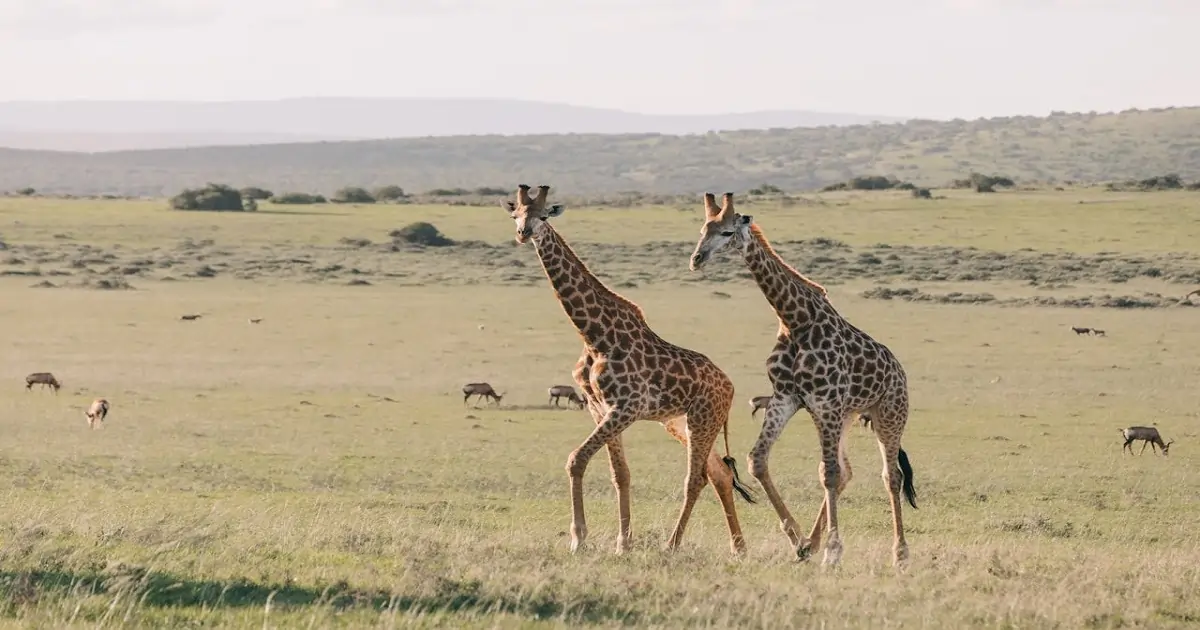
Wildlife once thrived across forests, grasslands, rivers, and oceans. Today, many species struggle to survive, which makes wildlife conservation a global priority. Forests shrink, wetlands dry up, and climate patterns shift. As a result, animals lose food, shelter, and safe breeding spaces.
This growing pressure has made conservation more urgent than ever. Wildlife conservation provides a structured response to protect species and restore ecosystems. It seeks balance between nature and human needs. Therefore, it connects science, policy, and community action.
It involves understanding core objectives, major approaches, and emerging threats. It also considers species classification, protected areas, and the role of communities and national frameworks. Together, these elements present a broad and connected view of conservation in today’s changing world.
What Is Wildlife Conservation?
Wildlife conservation refers to the planned protection and management of wild species and their habitats. It aims to ensure that animals and plants continue to live and reproduce in healthy ecosystems. However, it also considers human needs and development.
Conservation does not mean keeping nature untouched at all costs. Instead, it promotes careful use of natural resources so future generations can benefit. Therefore, it connects environmental science with social responsibility.
This approach recognizes that species, habitats, and people are linked. When one part suffers, the whole system weakens. Wildlife conservation seeks to maintain that balance over time.
Definition and Scope
Wildlife conservation is the organized effort to protect wild animals, plants, and the ecosystems they depend on. It covers forests, grasslands, wetlands, oceans, and other natural areas. Moreover, it includes the protection of genetic diversity within species.
This concept differs from preservation. Preservation avoids human use entirely. Conservation, however, allows sustainable use while preventing damage. It accepts that humans rely on nature but must use it wisely.
The scope of conservation also includes maintaining the variety of life forms across habitats. Biodiversity strengthens ecosystems and supports food chains. Therefore, protecting diversity protects life itself.
Core Objectives of Conservation
One main objective is to prevent species extinction. When a species disappears, ecosystems lose stability. This loss often affects many other organisms.
Another goal is to maintain ecological balance. Predators, prey, plants, and decomposers work together. If one group declines, the system shifts. Therefore, conservation supports natural relationships within ecosystems.
Protecting genetic diversity is also essential. Genetic variation helps species adapt to change. Besides that, conservation regulates human activities such as hunting and land use. Careful regulation reduces long-term harm and promotes sustainability.
Types of Wildlife Conservation
Wildlife conservation includes different methods based on location and strategy. Some approaches protect species in their natural surroundings. Others support species outside their original habitats. Furthermore, laws and community participation strengthen both methods.
Each type plays a distinct role. Together, they create a flexible system that responds to environmental challenges. Understanding these types helps clarify how conservation works in practice.
In Situ Conservation
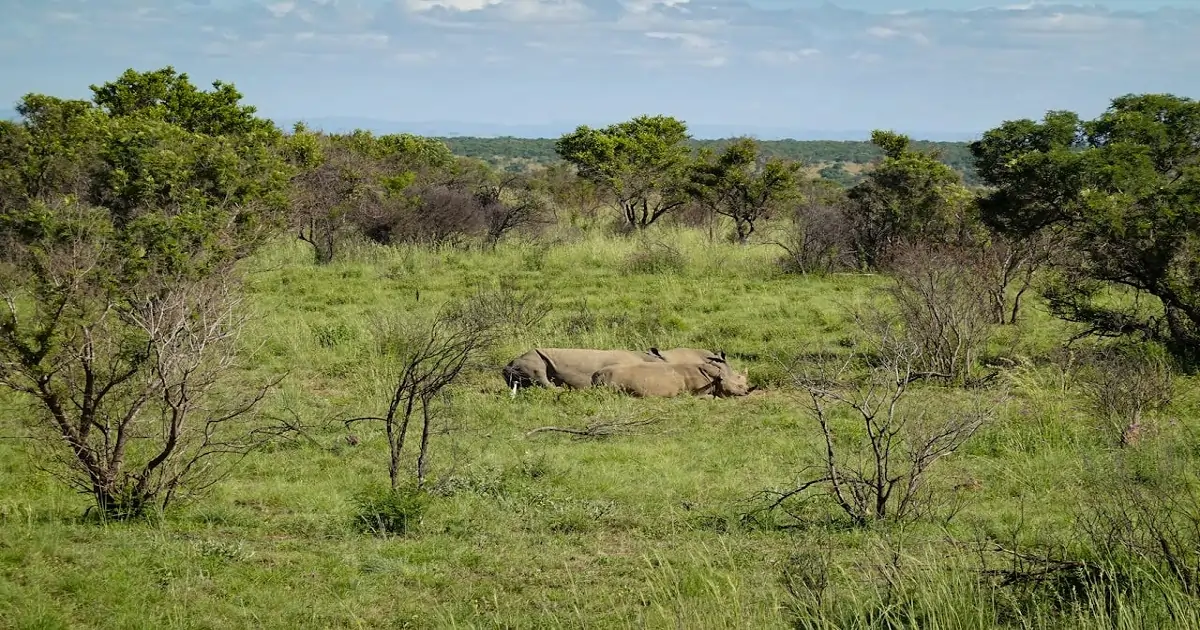
In situ conservation protects species within their natural habitats. This method keeps ecosystems intact while safeguarding wildlife. National parks, wildlife sanctuaries, and protected forests support this approach.
By protecting habitats, in situ conservation maintains ecological integrity. Animals continue natural behaviors such as migration and breeding. Therefore, the environment remains balanced and functional.
Protected landscapes often include areas managed for biodiversity. Some of these are recognized as designated biosphere reserve areas. These landscapes balance conservation with limited human activity. However, their main focus remains ecosystem protection.
Ex Situ Conservation
Ex situ conservation takes place outside natural habitats. This method supports species that face severe threats in the wild. Zoos, botanical gardens, and gene banks play key roles here.
Scientific breeding programs help maintain endangered populations. Controlled environments protect species from predators, habitat loss, and climate stress. Moreover, researchers study behavior and reproduction in safe settings.
Ex situ methods do not replace natural habitats. Instead, they act as support systems. When conditions improve, conservationists may reintroduce species into the wild. Therefore, ex situ conservation complements in situ efforts.
Legal and Community-Based Approaches
Laws form the backbone of wildlife protection. Governments regulate hunting, trade, and land use. Strong enforcement reduces illegal activities.
Community participation also strengthens conservation. Indigenous knowledge supports sustainable resource use. Furthermore, local involvement increases long-term success and shared responsibility.
Why Wildlife Conservation Matters
Wildlife conservation matters because ecosystems function as living systems. When species interact in balance, nature remains stable. However, when one part weakens, the entire system feels pressure. Therefore, conservation supports long-term environmental stability and human well-being.
Ecological stability forms the foundation of healthy ecosystems. Predators control prey populations, and plants regulate soil and water cycles. When species disappear, these links break. As a result, ecosystems lose resilience. Conservation helps maintain these natural relationships and keeps ecological processes intact.
Biodiversity continuity ensures that life remains varied and adaptable. Different species perform different roles within ecosystems. This variety strengthens food chains and energy flow.
Furthermore, genetic diversity within species supports adaptation to environmental change. Protecting biodiversity secures life’s ability to respond to future challenges.
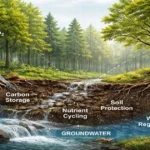
Climate regulation also connects closely with wildlife conservation. Forests, wetlands, and oceans store carbon and regulate temperature. Healthy ecosystems buffer extreme weather and support rainfall cycles. Besides that, balanced habitats reduce environmental stress. The United Nations Environment Programme’s biodiversity initiatives emphasize how protecting ecosystems supports global sustainability.
Economic systems depend on functioning natural environments. Agriculture, fisheries, and tourism rely on stable ecosystems. When wildlife declines, these systems weaken. Therefore, conservation indirectly supports livelihoods and resource security. It encourages responsible use rather than short-term exploitation.
Cultural and ethical values also shape conservation efforts. Many communities see wildlife as part of their identity. Nature inspires traditions, beliefs, and creative expression. Furthermore, ethical responsibility guides human interaction with other living beings. Respect for life strengthens conservation awareness.
Scientific knowledge grows through studying wildlife and ecosystems. Research reveals ecological patterns and biological processes. This understanding informs policy and sustainable practices. Moreover, conservation science improves long-term planning and environmental education.
These ecological, economic, and social connections show that conservation is not a single action. It shapes livelihoods, cultural values, and long-term stability, as reflected in the ecological and social dimensions of conservation.
Major Threats Driving Wildlife Decline
Wildlife faces many pressures in the modern world. Human expansion changes landscapes rapidly. As natural habitats shrink, species struggle to survive. Therefore, understanding these threats clarifies why conservation remains urgent.
Habitat Destruction and Fragmentation
Habitat destruction occurs when forests, wetlands, or grasslands are cleared for development. Urban growth and agriculture often replace natural areas. Consequently, animals lose food sources and breeding grounds.
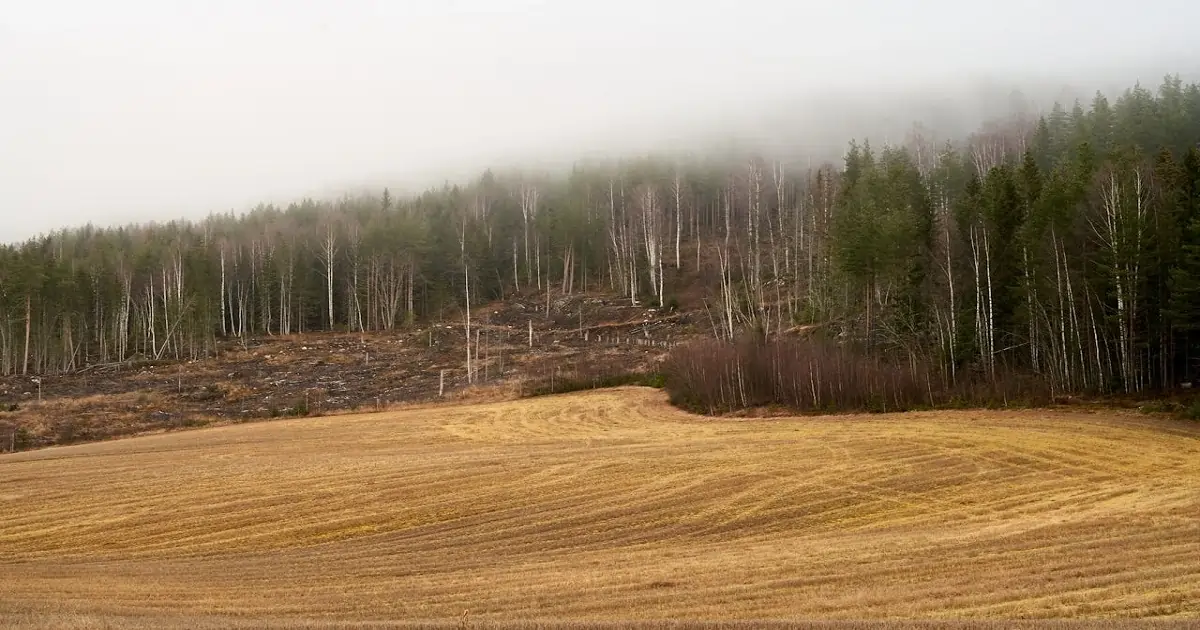
Fragmentation divides large habitats into smaller pieces. Roads, farms, and settlements create barriers between populations. As a result, species become isolated. Smaller populations face higher risks of decline.
Vegetation loss plays a major role in this process. Plants provide shelter, food, and nesting areas. Without healthy vegetation, wildlife cannot thrive, which highlights the connection between natural vegetation and wildlife survival.
Poaching and Illegal Trade
Poaching targets animals for meat, skins, horns, or other products. Illegal wildlife trade fuels demand across regions. Therefore, species populations decline rapidly.
This trade disrupts ecological balance. Removing key species affects food chains and habitat dynamics. Moreover, illegal networks undermine conservation laws. Strong enforcement and awareness remain essential to reduce this threat.
Climate Change and Pollution
Climate change alters temperature and rainfall patterns. Species must adapt, migrate, or face decline. However, rapid shifts leave little time for adjustment.
Pollution further damages habitats. Plastics, chemicals, and industrial waste contaminate soil and water. Consequently, wildlife health weakens. Clean environments remain vital for species survival and ecosystem stability.
Human–Wildlife Conflict
Human-wildlife conflict arises when expanding settlements overlap with animal habitats. Crops may be damaged, and livestock may be attacked. As a result, tension increases between communities and wildlife. Balanced land use planning and community engagement reduce such conflicts.
Conservation Status and Species Categories
Conservation status shows how close a species is to extinction. Scientists assess population size, habitat range, and decline trends. These factors help determine risk levels. Therefore, classification guides conservation priorities and action plans.
Global assessments follow standardized scientific criteria. The most widely used framework comes from the IUCN Red List of Threatened Species. This system evaluates extinction risk across many species worldwide.
Clear categories help governments, researchers, and communities understand urgency. When a species moves into a higher risk category, conservation responses often increase. Moreover, these labels create awareness and encourage responsible planning.
Conservation status does not focus only on animals. It also includes plants and entire ecological communities. Therefore, classification reflects broader environmental health.
Endangered, Vulnerable, and Critically Endangered
Species classified as Vulnerable face a high risk of decline in the wild. Their populations may decrease due to habitat loss, overexploitation, or environmental change. However, timely conservation measures can still stabilize their numbers.
Endangered species face a much greater risk. Their populations shrink rapidly, or their habitats become severely restricted. As a result, immediate conservation planning becomes necessary to prevent further decline.
Critically Endangered species face an extremely high risk of extinction. Their survival often depends on urgent and coordinated action. Small population size and limited distribution increase their vulnerability.
These categories rely on measurable scientific criteria. Population trends, geographic range, and reproductive patterns guide classification. Consistent reassessment also helps track whether conservation actions improve survival chances.
Protected Areas and Conservation Frameworks
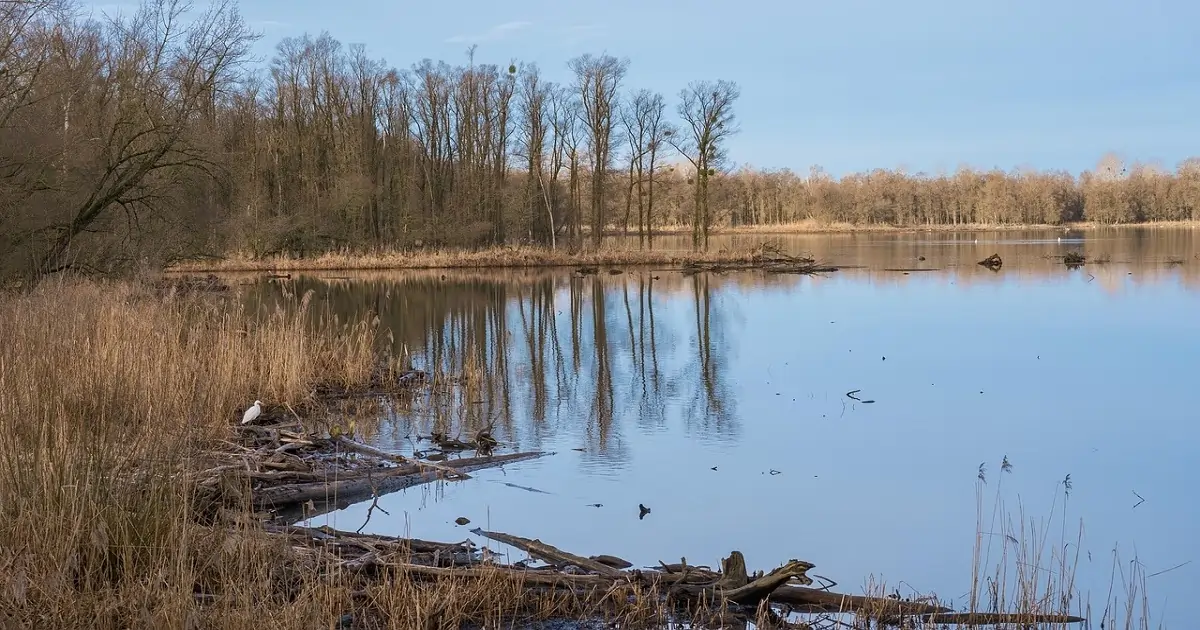
Protected areas form a core strategy in wildlife conservation. These areas limit harmful activities and preserve natural habitats. Therefore, they create safe spaces for species survival and ecosystem stability.
Conservation frameworks guide how protected areas function. They combine legal protection, scientific management, and community cooperation. Moreover, these systems aim to balance ecological integrity with responsible use.
Different types of protected areas serve distinct purposes. Some focus strictly on wildlife protection. Others allow limited human activity under regulation. Together, they support long-term sustainability.
Wildlife Sanctuaries and National Parks
Wildlife sanctuaries protect species and their habitats while allowing limited human activities. Grazing or tourism may occur under regulation. However, conservation remains the primary goal.
National parks often provide stricter protection. Human activities face tighter control to reduce disturbance. Therefore, these parks preserve ecosystems in a more controlled environment.
Both sanctuaries and national parks conserve biodiversity and ecological processes. They maintain natural landscapes and support species survival. Furthermore, they create opportunities for research and environmental education.
Biosphere Reserves and Landscape-Level Conservation
Biosphere reserves promote conservation across large and diverse landscapes. They integrate ecological protection with sustainable human activity. Most reserves follow a three-part structure, reflecting the zoning model used in biosphere reserves.
This approach allows core areas to remain undisturbed while surrounding regions support research, education, and responsible livelihoods. Therefore, conservation extends beyond isolated parks and considers entire ecological systems.
Landscape-level management strengthens long-term stability. It recognizes that wildlife, forests, and communities are interconnected. By planning across wider regions, conservation efforts become more resilient and adaptive.
Wildlife Conservation in India Overview
India holds rich biological diversity across forests, wetlands, mountains, and coastal regions. Therefore, conservation plays a central role in environmental policy. The country balances development needs with ecological protection. Wildlife conservation in India focuses on legal safeguards, protected areas, and scientific management.
National institutions guide planning and monitoring efforts. The framework also connects state governments, research bodies, and local communities.
Furthermore, conservation integrates habitat protection with sustainable use. The role of the Ministry of Environment, Forest and Climate Change reflects this coordinated structure at the national level.
India’s conservation approach remains broad rather than species-specific at the policy level. It emphasizes ecosystem stability and long-term ecological balance.
Policy and Institutional Framework
India’s legal framework for wildlife protection rests on structured legislation and institutional oversight. The Wildlife Protection Act provides the legal basis for safeguarding species and regulating hunting and trade. It also supports the creation and management of protected areas.
National and state authorities coordinate conservation planning. Regulatory bodies monitor habitat protection and enforcement measures. Moreover, scientific agencies contribute research and environmental assessment.
This framework ensures that conservation remains consistent across regions. It promotes accountability while allowing adaptive management. Therefore, wildlife protection functions within a clear institutional structure.
Regional and Ecological Diversity Context
India’s ecological regions range from Himalayan landscapes to tropical forests and coastal ecosystems. Each region supports distinct species and habitat types. Therefore, conservation strategies differ across states and ecological zones.
Regional planning considers climate, terrain, and community livelihoods. Local participation strengthens monitoring and habitat management. Furthermore, state-level initiatives complement national policy frameworks.
This broader conservation landscape connects with major wildlife conservation initiatives across India, which address species recovery and ecosystem protection in greater operational detail.
Community Participation in Conservation
Community participation strengthens wildlife conservation at the ground level. Indigenous knowledge often guides sustainable resource use. Local communities understand seasonal patterns and habitat needs. Therefore, their involvement improves conservation outcomes.
Community forest management encourages shared responsibility. Villages near protected areas help monitor wildlife movement and prevent illegal activities. Besides that, livelihood integration reduces dependence on harmful practices.
Sustainable income sources such as eco-friendly agriculture and nature-based tourism support both people and ecosystems. Furthermore, conflict mitigation programs reduce tension between wildlife and settlements.
These efforts reflect the urgency of conserving forests and wildlife for future generations. Shared responsibility strengthens long-term ecological stability.
Examples of Wildlife Conservation in Practice
Wildlife conservation appears in many practical forms across regions. Species recovery programs focus on stabilizing declining populations through habitat protection and monitoring. These efforts aim to rebuild ecological balance over time.
Protected areas also demonstrate conservation in action. Well-managed reserves maintain natural habitats and allow species to thrive. Furthermore, enforcement against illegal hunting strengthens survival chances.
Legal protection contributes to conservation success. Clear regulations discourage harmful exploitation. Besides that, community-led initiatives show how local stewardship supports biodiversity.
These examples highlight that conservation combines policy, science, and social responsibility. When these elements work together, ecosystems remain healthier and more resilient.
How Wildlife Conservation Is Strengthened Practical Measures
Wildlife conservation becomes effective when supported by clear systems and coordinated action. The following measures strengthen protection efforts across regions and ecosystems.
- Strong legal enforcement ensures that hunting, trade, and habitat destruction face strict penalties. Clear regulations and monitoring discourage illegal activity and reinforce long-term ecological stability.
- Habitat restoration rebuilds degraded forests, wetlands, and grasslands. Replanting native vegetation and reconnecting fragmented areas improve survival chances for many species.
- Sustainable land use planning reduces pressure on wildlife habitats. Responsible management of forests and protected areas depends on the role of forest and wildlife resources in conservation planning.
- Scientific research guides conservation decisions. Field studies track population trends and habitat changes. Therefore, policies can adapt to new environmental challenges.
- Climate-responsive policies reduce ecosystem stress. Protecting carbon-rich landscapes and promoting clean energy support both wildlife and environmental balance.
- Community engagement strengthens conservation at the local level. When communities participate in monitoring and protection, compliance improves and conflicts decline.
- Education and awareness programs build public understanding. Informed citizens support wildlife-friendly practices in daily life and policy discussions.
- Responsible tourism minimizes disturbance in sensitive habitats. Clear visitor guidelines protect species while allowing sustainable economic benefits.
- Technological tools enhance monitoring and data collection. Satellite tracking and remote sensing help detect habitat loss early.
- Inter-agency coordination improves resource sharing and enforcement. Cooperation between governments, scientists, and communities creates consistent conservation outcomes.
Together, these measures reinforce wildlife protection through structure, science, and shared responsibility.
Conclusion
Wildlife conservation remains essential for ecological balance and human well-being. Forests, wetlands, mountains, and oceans support countless forms of life. When these ecosystems stay healthy, they provide clean air, water, and stable climates. Therefore, protecting wildlife also protects human survival.
Conservation is not a single action but a long-term commitment. Laws guide protection, science informs decisions, and communities strengthen local efforts. Furthermore, responsible land use and sustainable development reduce pressure on natural habitats.
As environmental challenges increase, thoughtful planning becomes more important. Every ecosystem plays a role in maintaining stability. By safeguarding species and habitats today, societies build resilience for the future. Conservation, therefore, represents both responsibility and hope for generations to come.