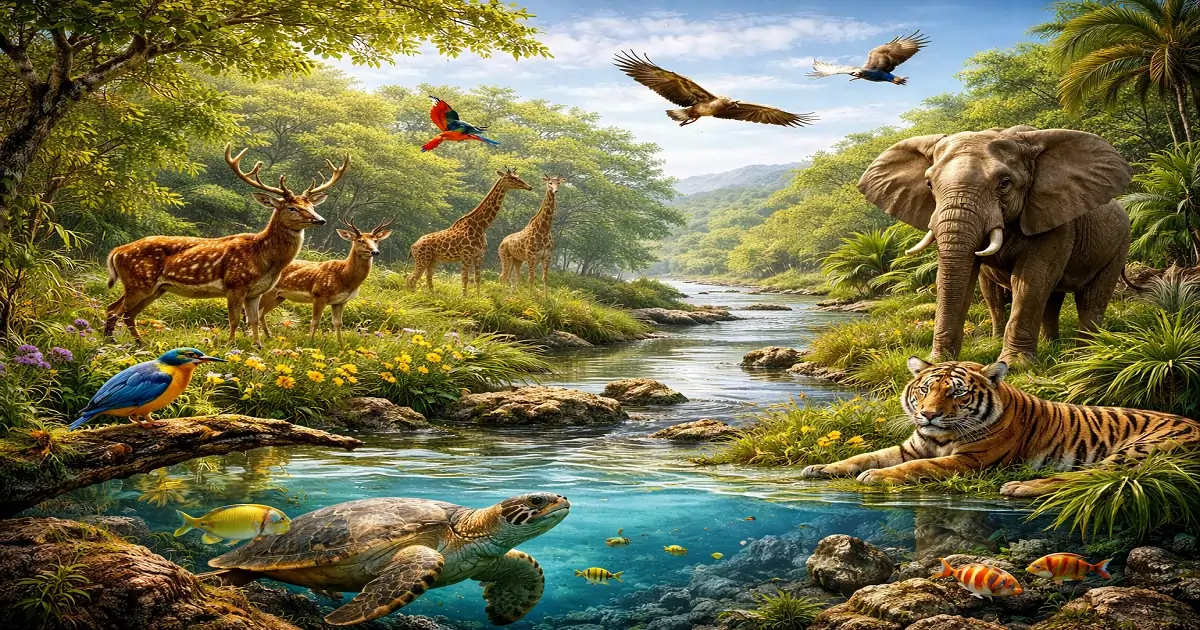
Wildlife diversity shapes the natural world we see every day. From forests and rivers to oceans and grasslands, living organisms exist in many forms. Each species plays a role in keeping global ecosystems stable and productive. When this balance is maintained, nature supports life smoothly and consistently.
However, wildlife diversity is not only about variety. It also reflects how species interact with their surroundings. These interactions regulate climate, recycle nutrients, and support food systems. Therefore, understanding diversity of wildlife helps explain how nature functions as a connected system rather than separate parts.
Besides this, animal diversity provides the base for long-term environmental protection. It explains why protecting species and habitats matters beyond their beauty. This connection becomes clearer when we explore the role of wildlife conservation, which focuses on safeguarding this diversity for future generations.
What Is Wildlife Diversity? Meaning Explained
Variety of wildlife describes the variety of animal life found across natural environments. It helps explain how animals are distributed on land and in water. This concept focuses on animals living without direct human care. It provides a simple way to understand how nature stays balanced.
However, wildlife diversity is not limited to visible animals alone. It also includes smaller creatures that play quiet but important roles. Understanding this idea makes it easier to see how animals shape ecosystems worldwide.
Simple Definition of Wildlife Diversity
Wildlife diversity refers to the wide range of animals that live freely in natural environments. It includes mammals, birds, reptiles, amphibians, insects, and many other creatures. These animals exist across forests, oceans, deserts, wetlands, and mountains. Each species has a unique role in its habitat.
However, wildlife diversity is not just about counting animals. It also reflects how different species live together and depend on each other. For example, predators regulate prey populations, while insects support plant growth. These interactions help maintain natural balance.
This understanding also connects directly with the broader framework of wildlife conservation. Protecting animal diversity supports ecosystem stability and long-term environmental health.
Therefore, when wildlife diversity is high, ecosystems tend to remain stable and productive. A decline in animal life across ecosystems often signals stress within the environment. This makes the concept important for understanding how nature functions at a global scale.
Wildlife Diversity vs General Biodiversity
Wildlife variety is often confused with biodiversity, but they are not the same. Biodiversity is a broader term. It includes plants, microorganisms, and genetic variation within all living organisms. Wildlife diversity focuses mainly on animal life in natural ecosystems.
Besides this difference in scope, biodiversity looks at life as a whole system. animal life across ecosystems highlights the animal component of that system. For instance, biodiversity includes trees, fungi, and bacteria, while wildlife diversity does not.
However, both concepts are closely connected. Changes in wildlife populations often reflect wider changes in biodiversity. Understanding this distinction helps readers grasp where variety of wildlife fits within the larger picture of life on Earth.
Main Types of Wildlife Diversity
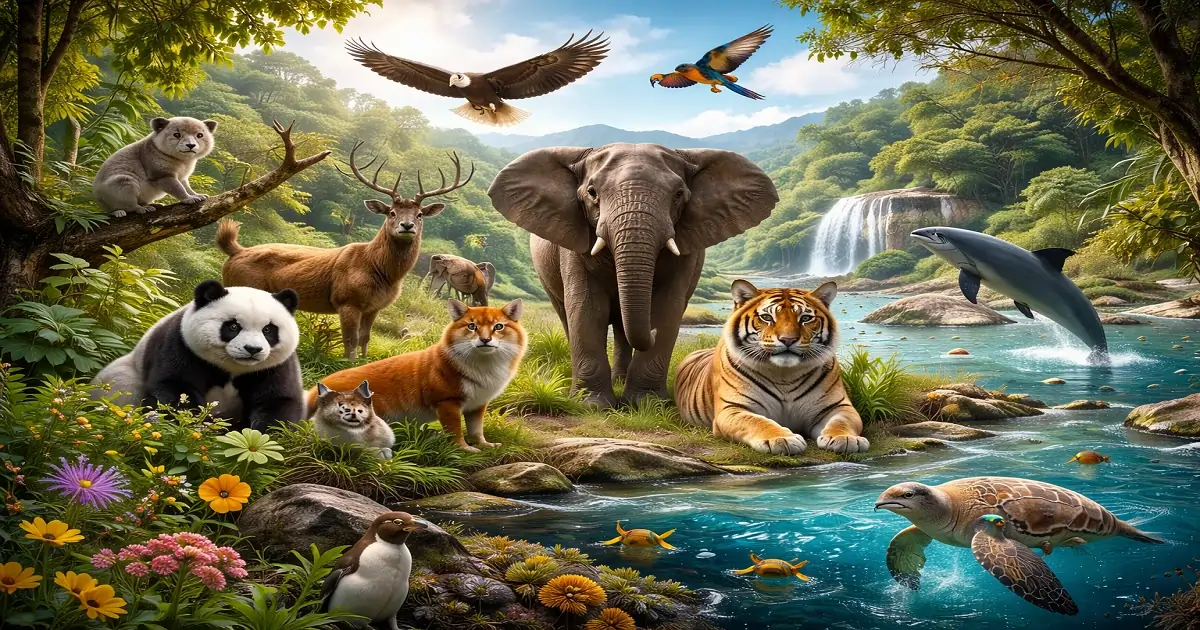
Wildlife diversity can be understood by grouping animals based on how they differ and where they live. These groupings help explain why some ecosystems are richer in wildlife than others. They also show how variety supports stability in nature.
Each type of diversity of wildlife contributes in a different way. Together, they explain how animal life adapts, survives, and thrives across the planet.
Species Diversity in Wildlife
Species diversity refers to the variety of animal species found in a specific area. This includes large animals like elephants and whales, as well as birds, insects, and reptiles. A habitat with many species is usually more balanced.
In addition, different species perform different roles. Some hunt, others graze, and many recycle nutrients. When species diversity is high, ecosystems can better handle natural changes. This variety strengthens food chains and natural cycles.
Genetic Diversity Within Wildlife Species
Genetic diversity exists within a single animal species. It refers to small differences among individuals, such as size, color, or resistance to disease. These differences help species survive over time.
Furthermore, genetic diversity allows animals to adapt to changing conditions. When environments shift, some individuals are better suited to survive. Over generations, this strengthens the species as a whole. Low genetic diversity, however, increases the risk of extinction.
Ecosystem Diversity Supporting Wildlife
Ecosystem diversity refers to the range of natural environments that support wildlife. Forests, grasslands, wetlands, oceans, and deserts all provide different living conditions. Each ecosystem supports distinct animal communities.
Therefore, wildlife diversity depends on ecosystem diversity. Animals adapted to cold mountains cannot survive in hot deserts. When many ecosystems exist, wildlife diversity increases naturally. This concept helps explain why protecting varied habitats is essential for sustaining wildlife worldwide.
Major Wildlife Habitats Around the World
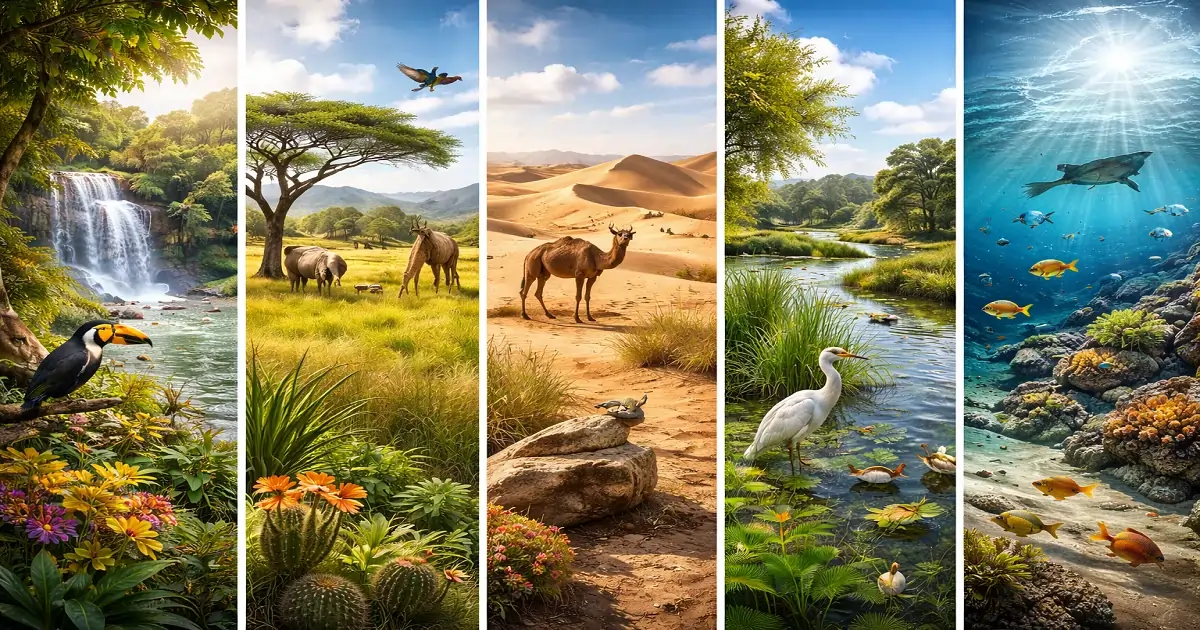
Wildlife lives in many natural settings shaped by climate, landforms, and water availability. These settings create different living conditions for animals. As a result, wildlife diversity changes from one region to another. Understanding habitats helps explain why certain species thrive in specific areas.
Scientists often group these habitats using the concept of global habitat classifications, which describe how climate and vegetation shape animal life. This approach, explained through major wildlife habitats worldwide, helps readers see global patterns clearly.
Together, these habitats support wildlife diversity across continents and oceans. They also highlight why protecting varied environments matters for sustaining animal life everywhere.
Forests and Tropical Rainforests
Forests support some of the richest wildlife on Earth. Tropical rainforests, in particular, host countless birds, mammals, insects, and reptiles. Warm temperatures and steady rainfall allow life to grow year-round.
Besides offering food and shelter, forests create layered habitats. Animals live in tree canopies, undergrowth, and forest floors. This vertical structure allows many species to share the same space. As a result, forests play a major role in maintaining wildlife diversity.
Grasslands and Savannah Ecosystems
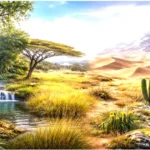
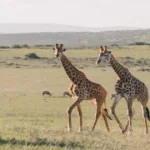
Grasslands and savannahs are open landscapes dominated by grasses. These areas support grazing animals like deer, antelope, and bison. Predators such as lions and wolves also depend on these habitats.
However, grasslands are not empty spaces. Burrowing animals, birds, and insects add to wildlife diversity. Seasonal rains and fires shape these ecosystems. Therefore, grasslands remain dynamic habitats that support balanced animal communities.
Deserts and Arid Regions
Deserts appear harsh, yet they support specialized wildlife. Animals like camels, lizards, and foxes survive with limited water. Many species remain active at night to avoid extreme heat.
Furthermore, desert wildlife shows unique adaptations. Thick skin, water storage, and efficient cooling help animals endure dry conditions. These traits highlight how wildlife diversity exists even in challenging environments.
Polar and Mountain Habitats
Polar regions and high mountains experience cold temperatures and thin air. Wildlife here includes polar bears, penguins, mountain goats, and snow leopards. Survival depends on insulation, strength, and efficient movement.
However, these habitats are sensitive to climate shifts. Small changes affect food availability and breeding cycles. Despite this, wildlife diversity persists through strong adaptations shaped over time.
Wetlands and Marine Ecosystems
Wetlands and oceans support vast wildlife diversity. Wetlands provide breeding grounds for birds, fish, and amphibians. They also filter water and reduce flooding.
Marine ecosystems include coral reefs, open seas, and coastal zones. Fish, mammals, and invertebrates depend on these waters. Together, these habitats highlight the importance of wildlife habitats around the world in sustaining life on Earth.
Ecological Significance of Wildlife Diversity
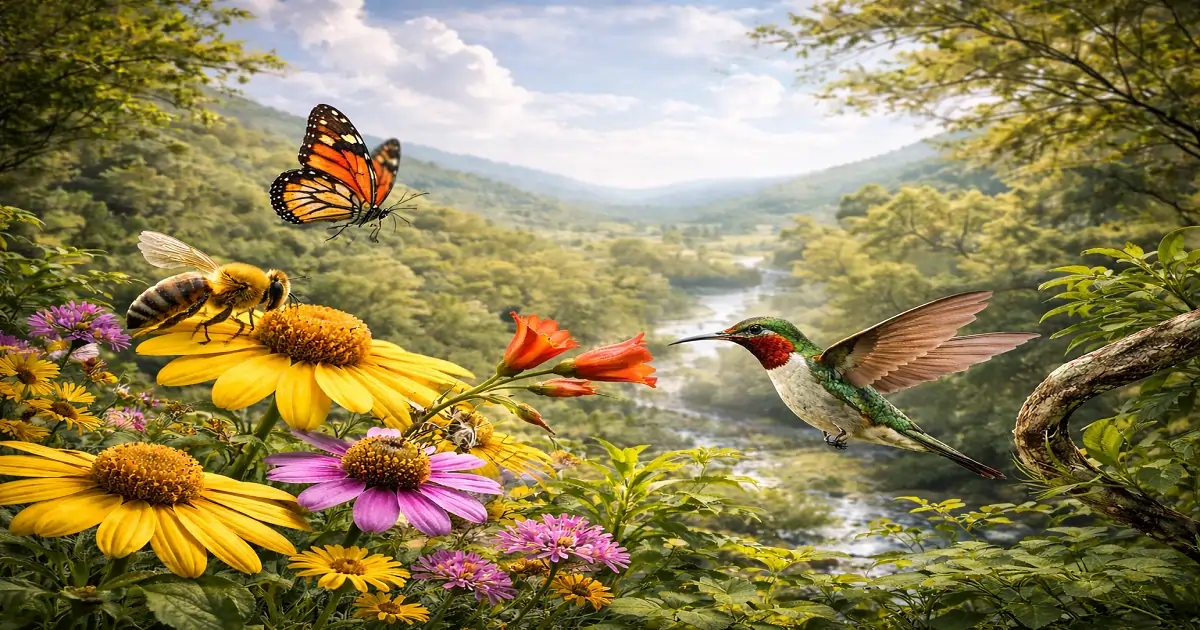
Wildlife diversity plays a key role in keeping ecosystems stable and functional. Each species contributes in a different way. When animals interact naturally, ecosystems operate smoothly and recover from change more easily.
This biological value becomes clearer when we look at how species support balance, cycles, and soil systems. These processes, explained through how biodiversity supports ecosystem balance, show why wildlife diversity matters beyond appearance.
Maintaining Ecological Balance
Wildlife diversity helps regulate population sizes within ecosystems. Predators limit herbivore numbers, which protects vegetation. This balance prevents overgrazing and habitat damage.
Besides, different species occupy different roles. Some hunt, others clean, and many recycle nutrients. When these roles remain intact, ecosystems stay stable. A loss of wildlife diversity often leads to imbalance and environmental stress.
Supporting Food Chains and Natural Cycles
Food chains connect plants, herbivores, and carnivores. Wildlife diversity strengthens these connections by providing multiple feeding pathways. If one species declines, others can fill similar roles.
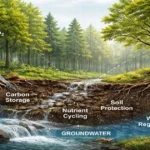
Furthermore, natural cycles like decomposition depend on animals. Scavengers and decomposers break down organic matter. This process returns nutrients to soil and water. As a result, ecosystems remain productive and resilient.
Pollination, Seed Dispersal, and Soil Health
Many animals support plant reproduction. Bees, birds, and bats pollinate flowers while feeding. Without them, many plants would fail to reproduce.
Besides pollination, animals spread seeds across landscapes. This allows forests and grasslands to regenerate naturally. Burrowing animals and decomposers also improve soil structure. Together, these actions show how wildlife diversity supports long-term ecosystem health.
Why Wildlife Diversity Matters for Human Well-Being
Wildlife diversity supports daily human life in quiet but powerful ways. Healthy animal populations help ecosystems work smoothly. As a result, people receive food, clean water, and stable climates. These benefits often go unnoticed, yet they shape well-being everywhere.
However, when wildlife diversity declines, natural systems weaken. This affects farming, fishing, and water quality. Understanding these links helps people see nature as a shared support system. It also explains why protecting wildlife connects closely with human health and livelihoods.
Natural Resources and Ecosystem Services
Wildlife diversity supports essential natural resources. Fish provide protein for millions of families. Insects help crops grow through pollination. Animals also control pests that damage food supplies. Therefore, diverse wildlife keeps food systems reliable.
Besides food, animals support ecosystem services. Wetland species filter water and reduce floods. Forest wildlife helps maintain soil fertility. These services reduce human costs and risks. This connection becomes clearer when considering the importance of wildlife conservation, which helps maintain these natural benefits over time.
Cultural, Educational, and Scientific Value
Wildlife shapes cultures, traditions, and beliefs worldwide. Many communities value animals as symbols of strength or wisdom. Festivals, stories, and art often reflect local wildlife. This bond strengthens cultural identity.
Furthermore, wildlife supports education and science. Students learn ecology by observing animals. Scientists study wildlife to understand disease, behavior, and climate change. These studies improve knowledge and innovation. Together, these values show how wildlife diversity enriches human life beyond material needs.
Major Threats to Global Wildlife Diversity
Wildlife diversity faces growing pressure from human activities. Natural habitats change faster than many species can adapt. As a result, populations decline across many regions. These threats often overlap and intensify each other.
Understanding these pressures helps explain current wildlife losses. It also highlights how closely environmental change and human actions are connected.
Habitat Loss and Climate Change
Habitat loss remains a major threat to wildlife diversity. Forest clearing, farming expansion, and urban growth reduce living space. Animals lose food, shelter, and breeding areas. This leads to population decline.
Climate change adds further stress. Rising temperatures alter rainfall and seasons. Many species struggle to adjust. Research shows how climate change and biodiversity loss are linked, especially through habitat disruption and shifting ecosystems.
Pollution and Illegal Wildlife Exploitation
Pollution harms wildlife on land and in water. Plastics, chemicals, and waste enter ecosystems. Animals ingest toxins or lose clean habitats. Over time, this weakens entire food chains.
Illegal hunting and wildlife trade also threaten diversity. Species are removed faster than they can recover. Besides reducing populations, this disrupts natural balance. These pressures together place wildlife diversity at serious risk worldwide.
Wildlife Diversity as the Foundation of Conservation Efforts
Wildlife diversity explains what conservation aims to protect. Before action begins, there must be something worth preserving. Diverse animal life forms the base of healthy ecosystems. Without this variety, natural systems lose strength and balance.
However, conservation does not start with laws or programs alone. It starts with understanding how animals support ecosystems. When people recognize this connection, conservation gains meaning. It becomes a response to real ecological needs, not just a protective idea.
Besides this, wildlife diversity helps guide priorities. Areas with rich animal life often need careful management. This link becomes clearer through wildlife conservation efforts, which focus on maintaining natural systems rather than isolated species.
Therefore, wildlife diversity stands as the scientific foundation of conservation. It explains why protection exists and how actions align with ecological reality.
Conclusion: Protecting Wildlife Diversity for the Future
Wildlife diversity reflects the variety of animal life across Earth’s ecosystems. It includes different species, habitats, and ecological roles. Together, these elements keep natural systems stable and productive. From forests to oceans, wildlife diversity supports balance and resilience.
However, this diversity faces increasing pressure from environmental change. Understanding its meaning and structure helps people see what is at risk. It also shows why ecosystems depend on animal life.
Looking ahead, awareness plays a key role. When people value wildlife diversity, choices become more informed. Small actions, guided by knowledge, support long-term sustainability. Protecting wildlife diversity helps ensure a balanced and livable planet for future generations.