Water pollution affects rivers, lakes, and oceans that support daily life. Its damage often begins quietly, yet the outcomes spread far and wide. Therefore, understanding water pollution effects is important for communities everywhere.
Contaminated water harms natural systems before people notice visible signs. Fish populations decline, plants weaken, and water quality slowly drops. As a result, environmental damage becomes harder to reverse over time.
The impacts of polluted water also reach human life. Unsafe water threatens food sources and increases health risks, especially in vulnerable regions. Besides that, families often face long-term problems linked to poor water conditions.
This topic matters because clean water supports health, livelihoods, and ecosystems. Furthermore, recognizing these effects helps explain why prevention and control deserve attention. The sections ahead explore how water pollution affects nature and human health, along with why these impacts demand action.
The Scale of Water Pollution Effects
Water pollution affects water bodies in many visible and hidden ways. Its impact does not remain limited to one river or lake. Instead, problems spread across regions through connected water systems. Therefore, the scale of damage often grows larger than expected.
One major concern is water quality decline over time. Polluted water loses oxygen, clarity, and balance. As a result, aquatic contamination makes it difficult for plants and animals to survive. These changes may appear slow, yet they continue every day.
Water pollution effects also differ by location and intensity. Some areas face mild damage, while others suffer severe losses. Besides that, repeated pollution events increase long-term stress on natural systems.
Understanding this scale helps explain why the issue affects ecosystems, economies, and communities together. The major sources of water pollution threatening water quality today show how contaminants enter water systems long before these effects become visible.
Environmental Effects of Water Pollution
Polluted water directly alters natural environments. These changes affect living organisms, natural cycles, and ecosystem stability.
Over time, the environmental impact of water pollution becomes harder to reverse. The effects of environmental pollution on human health, ecosystems, and climate show how water contamination connects with broader environmental damage beyond water bodies alone.
Damage to Aquatic Ecosystems
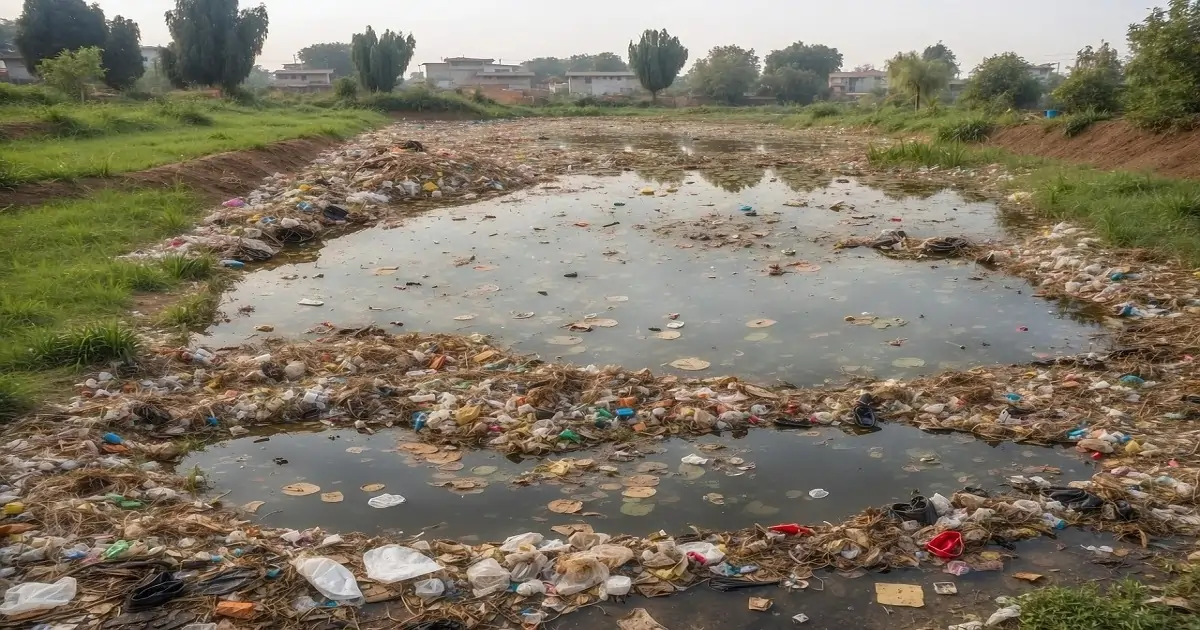
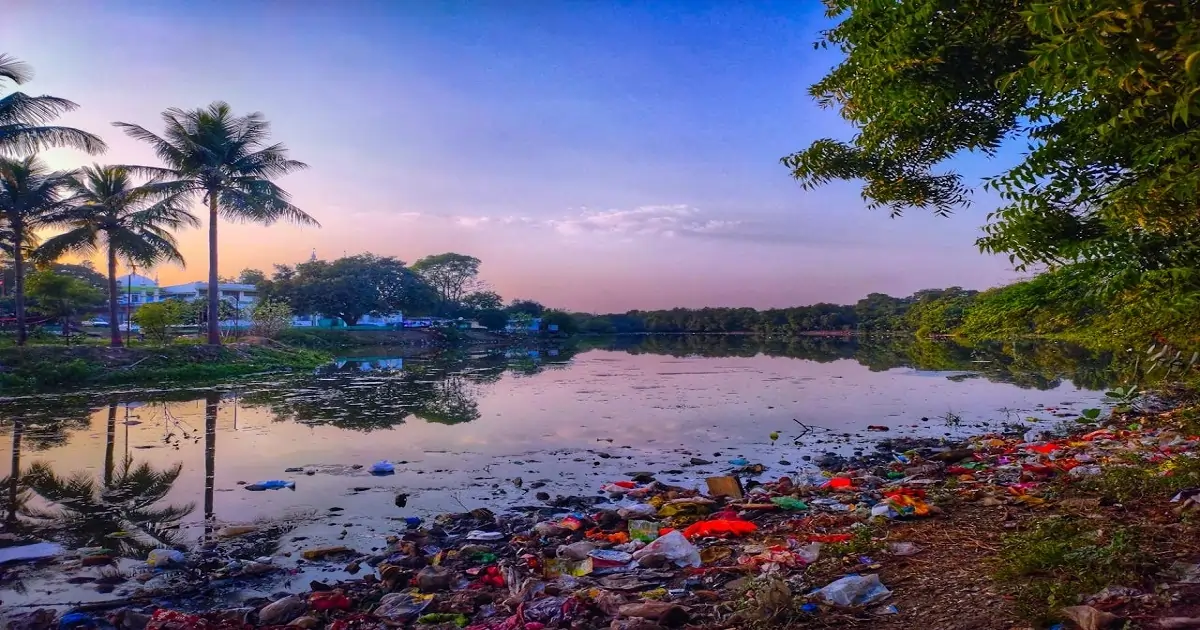
Aquatic ecosystems rely on clean water to function properly. When pollutants enter water, oxygen levels drop. As a result, fish and other organisms struggle to survive. Algae growth may increase, blocking sunlight and harming plants.
Furthermore, toxic substances settle at the bottom. This process damages habitats where many species live and reproduce. Therefore, ecosystem balance slowly weakens.
Loss of Biodiversity and Wildlife
Water pollution reduces biodiversity in affected areas. Sensitive species disappear first, while tolerant species dominate. This imbalance disrupts food chains and natural relationships.
Besides that, birds and animals feeding on polluted water face serious risks. Over time, wildlife populations decline. These effects of water pollution reduce ecosystem resilience.
Disruption of Natural Water Cycles
Pollution also interferes with natural water cycles. Contaminated water evaporates, condenses, and returns through rainfall. As a result, pollutants spread to new locations.
Furthermore, polluted water affects soil and vegetation along shorelines. These changes alter natural filtration processes and increase long-term environmental stress.
Effects of Water Pollution on Human Health
Water pollution does not stop at environmental damage. Its impact reaches people through drinking water, food, and daily activities. These outcomes reflect broader pollution causes and effects that influence human well-being.
Waterborne Diseases and Infections
Polluted water often carries harmful bacteria and viruses. When people consume or use unsafe water, infections spread easily. Diseases such as diarrhea and cholera remain common in affected regions.
Besides that, poor sanitation worsens exposure. Children and elderly individuals face higher risks. Therefore, clean water access remains essential for public health.
Long-Term Health Risks from Contaminated Water
Long-term exposure creates deeper problems. Contaminated water may contain chemicals and heavy metals. Over time, these substances build up in the body.
As a result, health effects of polluted water include organ damage and weakened immunity. Furthermore, polluted food sources increase exposure risks. These patterns show how water pollution effects extend beyond immediate illness and become a lasting health concern.
Common Sources of Water Pollution
Water pollution often begins with everyday activities and large-scale operations. These sources may seem routine. However, their combined impact worsens water quality and increases long-term damage.
Industrial and Urban Wastewater
Industries and cities release wastewater into nearby water bodies. This water often carries chemicals, oils, and untreated waste. As a result, rivers and lakes lose their natural balance. Aquatic life suffers as oxygen levels drop.
Urban areas also add pressure through sewage and surface runoff. Besides that, growing populations increase waste output. When treatment systems fail or overflow, pollution spreads faster. These sources of water pollution intensify harmful effects already present in natural systems.
Agricultural Runoff and Chemicals
Farming activities contribute through runoff from fields. Rainwater carries fertilizers, pesticides, and animal waste into streams. Therefore, nutrient levels rise beyond safe limits.
This runoff encourages excessive algae growth. As a result, water quality declines and aquatic life struggles. Furthermore, chemicals remain in water long after use. These sources worsen pollution effects without obvious warning signs.
Long-Term Effects of Water Pollution on Society and Economy
Water pollution creates lasting challenges for societies. Its effects extend beyond nature and health. Over time, communities face serious economic impact and reduced quality of life.
One major issue is water scarcity. Polluted sources become unsafe for drinking and daily use. Therefore, communities depend on limited clean supplies. This increases costs and stress.
Healthcare systems also feel the burden. Treating water-related illnesses demands resources and time. Besides that, lost productivity affects households and economies.
Many livelihoods depend on clean water. Fisheries decline when water becomes polluted. As a result, income drops for fishing communities. Tourism also suffers in polluted areas.
These long-term effects weaken community well-being and slow development.
Practical Ways to Reduce Water Pollution Effects
Reducing water pollution effects requires action at many levels. Small efforts add up when repeated daily. Therefore, solutions should focus on habits and shared responsibility.
What Individuals Can Do
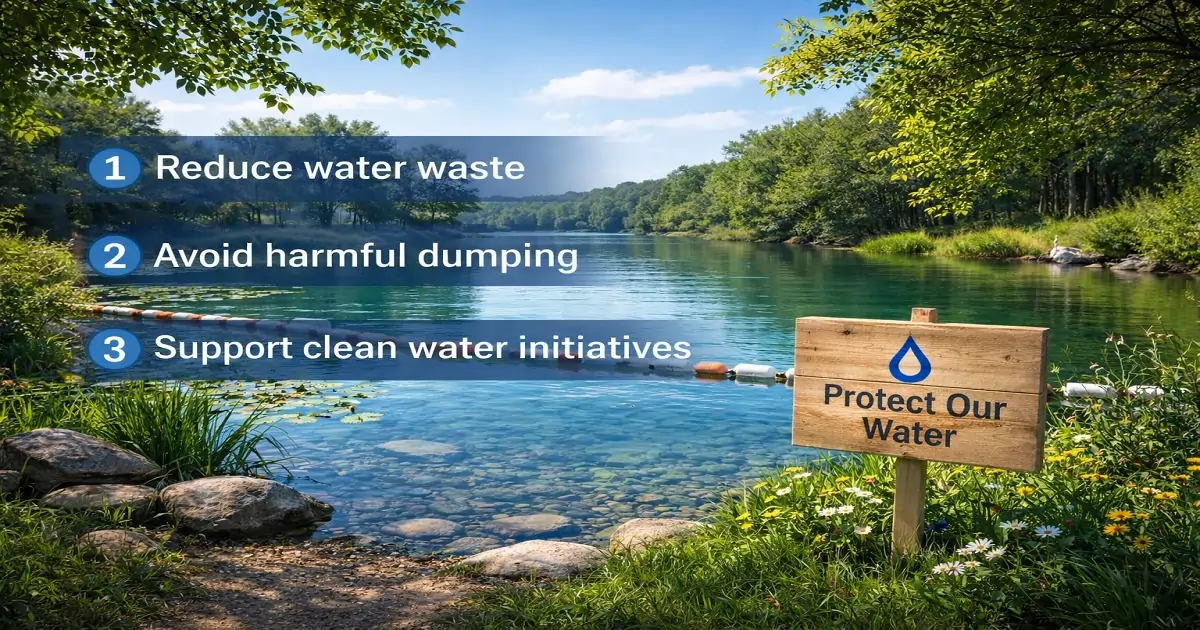
- Reduce household water waste through mindful use.
- Avoid dumping harmful substances into drains.
- Choose eco-friendly cleaning and personal products.
- Support local clean water initiatives and awareness programs.
These steps help limit pollution at the source. Besides that, they encourage responsible water use.
Community and Policy-Level Actions
- Improve wastewater treatment and monitoring systems.
- Enforce regulations on industrial discharge.
- Promote sustainable farming practices in rural areas.
- Invest in water conservation and protection projects.
Furthermore, strong policies support long-term solutions. Together, these actions focus on reducing water pollution effects and protecting water resources for future generations.
Why Addressing Water Pollution Effects Matters for the Future
Water pollution effects shape the future of ecosystems and human societies. Clean water access supports food production, health, and natural balance. Therefore, protecting water today helps prevent larger problems tomorrow.
Healthy water systems support ecosystem protection and biodiversity. When pollution decreases, rivers and lakes recover faster. Besides that, balanced ecosystems provide natural filtration and climate stability.
Environmental sustainability also depends on responsible water management. Polluted water limits economic growth and social progress. As a result, communities face long-term challenges linked to scarcity and health.
Furthermore, early action reduces the cost of restoration. Preventing damage is easier than repairing polluted water bodies later. Addressing these effects now supports a stable future where water remains safe, reliable, and essential for life.
Conclusion
Water pollution affects natural systems, human health, and economic stability. Its impact spreads through ecosystems and communities over time. Understanding these challenges helps highlight the seriousness of the issue.
Environmental damage includes loss of aquatic life and disrupted water cycles. Health impacts arise through unsafe drinking water and contaminated food. Therefore, water pollution effects deserve focused attention.
Reducing harm requires responsible behavior and collective action. Small daily choices support long-term improvement. Besides that, stronger policies help protect shared water resources.
Protecting water safeguards ecosystems and future generations. Awareness and action together create meaningful change and help ensure cleaner water for years ahead.