Clean water supports life, health, and daily needs. Yet many water bodies are no longer safe. The sources of water pollution are growing due to changing lifestyles, rapid development, and weak waste control. Rivers, lakes, and groundwater now receive harmful substances every day. Therefore, understanding where pollution begins is essential.
Some pollution comes from visible human actions. Others arise from natural processes that often go unnoticed. However, both paths reduce water quality over time. Polluted water affects drinking supplies, farming, and aquatic life. Besides that, the damage spreads silently across regions.
This discussion explores the major causes of water pollution. It explains how human and natural factors combine to threaten water quality today. By knowing these sources, better protection becomes possible.
Why Understanding the Sources of Water Pollution Matters
Water pollution does not begin in rivers or lakes. It starts much earlier, often far from sight. When polluted water sources increase, water quality degradation follows across regions. Therefore, identifying the sources becomes critical for protection.
Rivers collect waste from cities and farms. Lakes slowly trap contaminants over time. Groundwater absorbs pollutants that move through soil layers. Coastal waters receive runoff carried from inland areas. However, these links often remain unnoticed.
Contamination of water bodies affects drinking water, food systems, and ecosystems. The effects of water pollution on environment and human health explain why declining water quality creates long-term risks for both people and nature.
According to global assessments on drinking-water safety published by the World Health Organization, polluted water remains a major risk to public health.
Besides that, damage spreads silently and becomes harder to reverse. Understanding sources helps explain why water quality declines before visible harm appears.
Major Categories of Water Pollution Sources
Water pollution sources fall into clear categories. This classification helps simplify a complex problem. It also prepares readers for deeper exploration.
Some sources result from human activities such as industry, farming, and urban growth. The causes of environmental pollution driven by human and natural factors help explain why water contamination continues to rise across regions.
Others come from natural processes like erosion and mineral release. Besides this, pollution may enter water at specific locations or spread across wide areas.
Point sources release waste from identifiable outlets. Non-point sources flow from many small actions combined. These categories provide structure, but details emerge in later sections.
Human Activities Causing Water Pollution
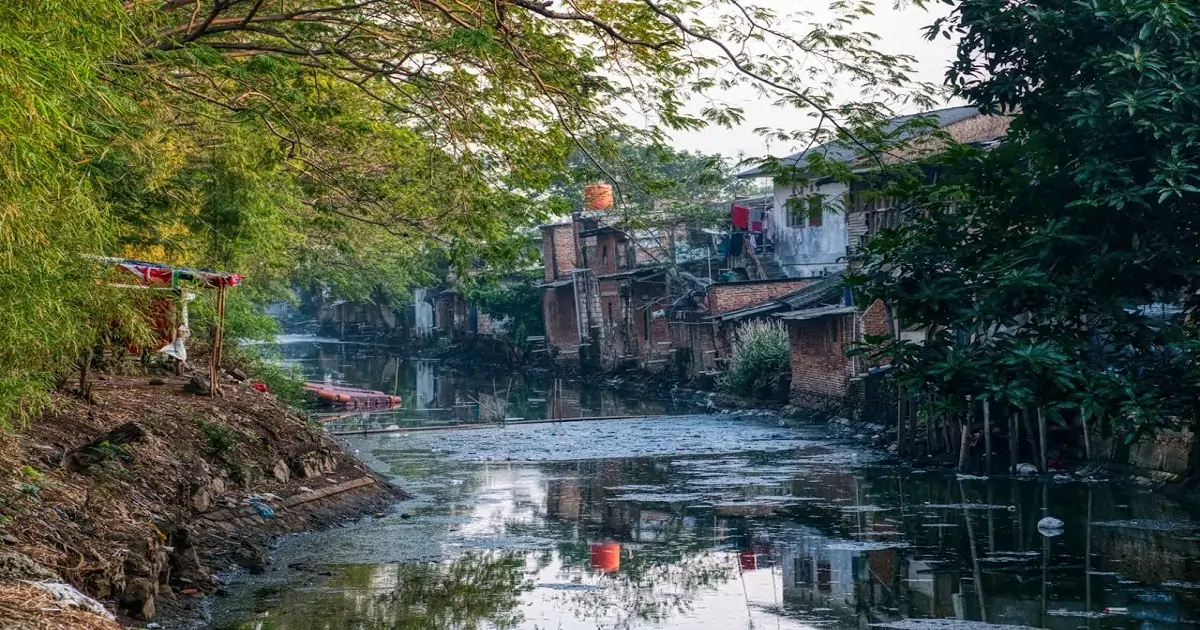
Human actions play a leading role in water contamination. Daily activities, large industries, and expanding cities all contribute. Therefore, understanding these sources is essential for prevention.
Economic growth often increases water use. However, waste management does not always keep pace. As a result, pollutants enter rivers, lakes, and groundwater. Besides that, many sources remain active for years without detection.
This section explains how common human activities degrade water quality. Each source may appear small alone. Together, they create serious and lasting pressure on water systems.
Industrial Discharge and Chemical Waste
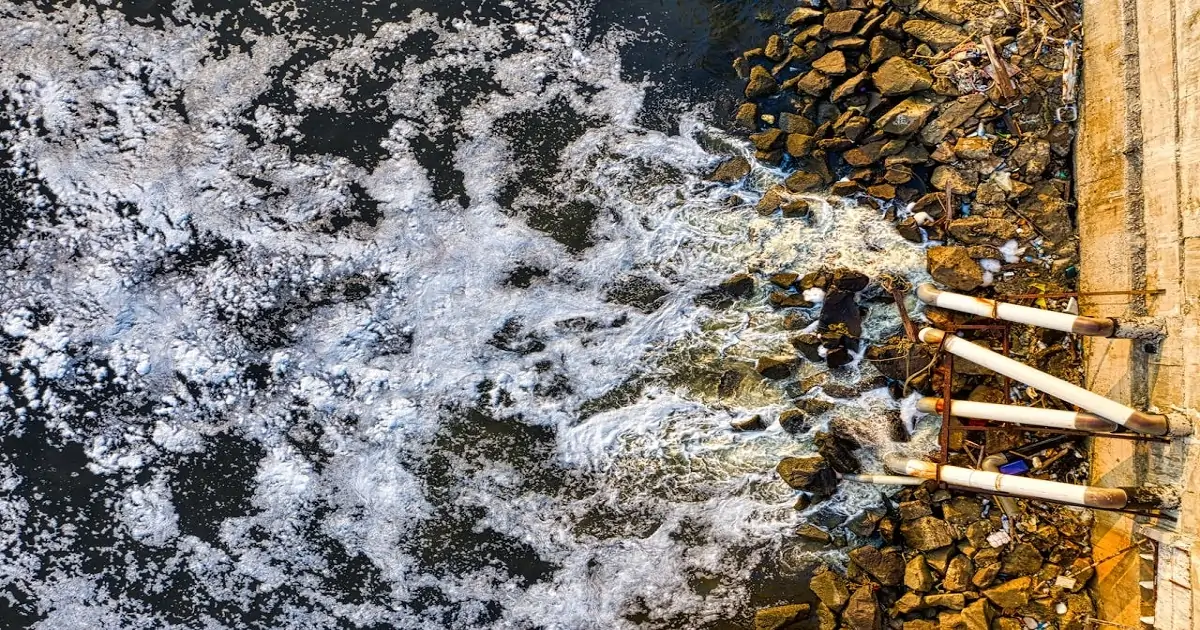
Industries use large volumes of water during production. After use, this water often contains industrial effluents. These effluents may carry toxic chemicals and heavy metals. When released untreated, they enter nearby water bodies.
Factories located near rivers increase this risk. Untreated wastewater flows directly into streams and canals. Therefore, pollutants spread downstream and affect wider areas. In addition, chemicals settle into sediments and remain for long periods.
Industrial discharge reduces oxygen levels and alters water chemistry. Aquatic life struggles to survive under these conditions. Over time, polluted water becomes unsafe for human use and ecosystems alike.
Agricultural Runoff and Fertilizer Use
Modern farming increases food production, but it also affects nearby water bodies. Rain often washes fertilizers and pesticides from fields into streams. This movement causes agricultural pollution from farming activities, which explains how modern agriculture damages soil, water, and surrounding ecosystems.
Pesticide runoff carries toxic substances into rivers and lakes. These chemicals harm insects, fish, and other aquatic life. As a result, excess nutrients from fertilizers lead to nutrient loading.
Nutrient loading triggers algae growth that blocks sunlight. Oxygen levels drop as algae decay. Therefore, water quality declines and aquatic ecosystems struggle.
Domestic Sewage and Urban Wastewater
Growing towns produce large volumes of wastewater every day. When sewage systems remain weak, sewage pollution rises quickly. As a result, untreated waste enters rivers and lakes.
Urban wastewater contains food waste, soap residues, and harmful microbes. Household waste also adds oils and cleaning chemicals. Besides that, storm drains often carry waste directly into water bodies.
This mixture reduces oxygen levels and spreads disease-causing organisms. Therefore, water becomes unsafe for drinking and daily use.
Plastic Waste and Solid Pollutants
Plastic waste reaches water through careless disposal and weak waste systems. Bags, bottles, and packaging slowly break down in water. This process causes plastic pollution in water.
Solid waste dumping near rivers worsens contamination. Plastics travel long distances and injure aquatic animals. Besides that, tiny plastic particles enter food chains over time.
These human-driven pollution sources represent only one dimension of the broader pollution problem, which is explored in detail in Pollution: Types, Causes, Effects, and Control Measures.
Natural Sources of Water Pollution
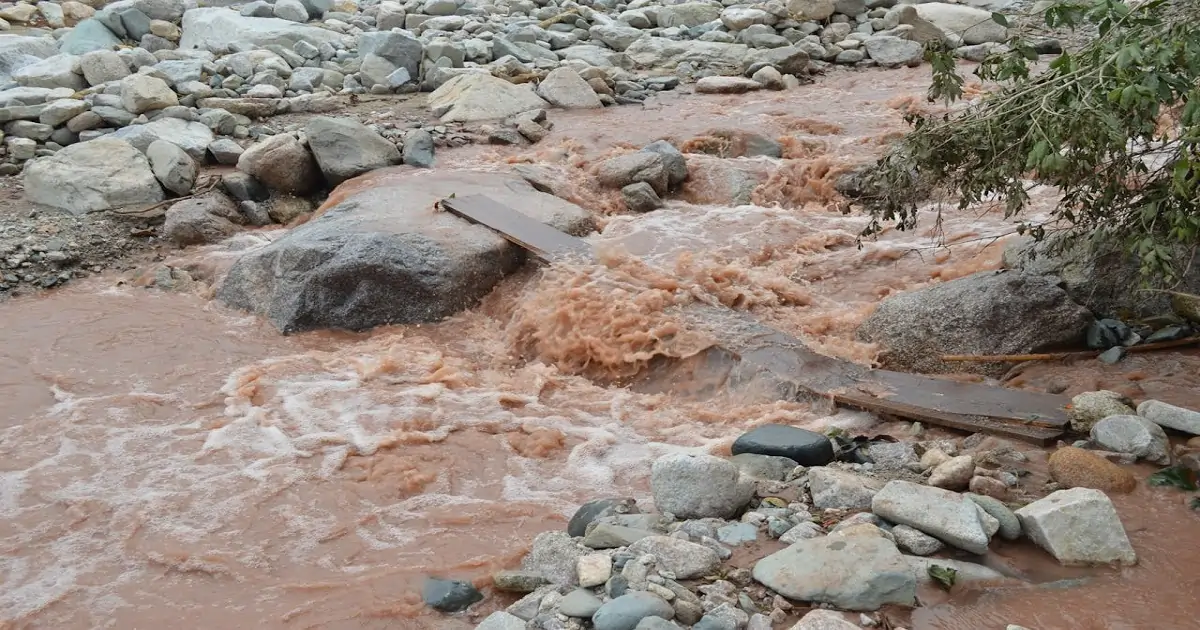
Not all water pollution comes from human activity. Nature also introduces pollutants into water systems. These sources often work slowly, but their impact can be widespread. Therefore, natural processes deserve equal attention.
Rain, wind, and geological activity move materials into water bodies. As a result, rivers, lakes, and groundwater collect unwanted substances. Besides that, these changes often go unnoticed for long periods.
Natural pollution usually blends with human sources. However, understanding it helps separate natural background levels from added pressure. This clarity supports better water management and protection efforts.
Soil Erosion and Sediment Runoff
Soil erosion occurs when rain loosens surface layers. Flowing water then carries soil into nearby streams. This process creates sediment pollution.
Erosion runoff clouds water and blocks sunlight. Plants struggle to grow under these conditions. Besides that, sediments carry nutrients and metals into water bodies.
Over time, sediment buildup alters river flow and habitats. Therefore, erosion remains a steady natural source of water quality decline.
Volcanic Activity and Natural Chemical Release
Volcanic regions release minerals into surrounding water. Ash and gases settle on land and wash into rivers. These materials act as natural contaminants.
Mineral runoff changes water chemistry. Some elements raise acidity or metal levels. Besides that, these changes can persist long after eruptions end.
Although natural, volcanic inputs still affect aquatic life. Therefore, they form part of the broader pollution picture.
Organic Decay and Biological Contamination
Plants and animals naturally break down after death. This decay releases organic waste into water. As a result, microbial contamination increases.
Bacteria feed on organic matter and consume oxygen. Oxygen loss stresses fish and insects. Besides that, harmful microbes may multiply.
This process occurs in wetlands and slow-moving waters. Over time, natural decay influences water quality balance.
Sources of Water Pollution by Water Body Type
Water pollution sources vary by location. Each water body collects pollutants differently. Therefore, source patterns change across environments.
Flowing rivers gather waste from large areas. Groundwater absorbs pollutants through soil. Coastal waters receive inputs from land and sea. Besides that, each system responds in unique ways.
Understanding these differences helps explain pollution spread. It also supports targeted monitoring and protection strategies.
River and Stream Pollution Sources
Rivers carry runoff from farms, roads, and towns. Flowing water collects pollutants along its path. Therefore, contamination spreads downstream.
Sediments, nutrients, and waste mix in river channels. Besides that, seasonal floods increase pollutant movement. Rivers act as pollution highways.
Groundwater Contamination Sources
Groundwater pollution begins at the surface. Pollutants seep through soil layers over time. This process often remains hidden.
Leaking tanks, fertilizers, and waste sites contribute. Besides that, cleanup becomes difficult once contamination occurs. Groundwater pollution lasts for years.
Coastal and Marine Water Pollution Sources
Coastal waters receive runoff from inland areas. Rivers deliver sediments, nutrients, and waste to the sea. Therefore, land activities affect oceans.
Shipping and coastal settlements add pressure. Besides that, tides spread pollutants across wide zones. Marine ecosystems face combined impacts.
Point Source vs Non-Point Source Water Pollution
Water pollution enters through different pathways. Some sources are easy to trace. Others spread across large areas.
This distinction helps identify responsibility. It also guides control efforts. Therefore, understanding both types is essential.
What Is Point Source Pollution?
Point source pollution comes from single, identifiable outlets. Pipes and drains release waste directly into water. These are clear pollution examples.
Factories and treatment plants often create point sources. Because locations are known, monitoring becomes easier. Control measures can target these sources directly.
What Is Non-Point Source Pollution?
Non-point source water pollution comes from many small actions. Rain carries pollutants from fields, roads, and yards. No single outlet exists.
Runoff spreads chemicals, oil, and waste widely. Besides that, tracking sources becomes difficult. This type now causes most water pollution, as explained in guidance on non-point source water pollution published by the United States Environmental Protection Agency.
Key Sources of Water Pollution at a Glance
Water pollution comes from many directions. Some sources release waste directly. Others spread slowly through land and air. Therefore, a quick overview helps connect the bigger picture.
This summary highlights the most common pollution sources. Each plays a clear role in water quality decline. Besides that, these sources often overlap in real settings.
Reviewing them together improves recall. It also helps readers link causes to real-world examples. This clarity supports better understanding before moving ahead.
1. Industrial Wastewater
Factories release used water during production. This wastewater often carries chemicals and metals. When untreated, it flows into rivers and canals.
2. Agricultural Chemicals
Fertilizers and pesticides wash off fields during rain. These chemicals enter streams and lakes. Over time, they change water chemistry.
3. Sewage and Urban Runoff
Cities generate wastewater every day. Overflowing drains and storm runoff carry waste into nearby water bodies.
4. Plastic and Solid Waste
Plastic trash reaches water through poor disposal. It floats, breaks down, and harms aquatic life.
5. Natural Sediments and Minerals
Erosion and mineral release add sediments to water. These natural inputs still affect clarity and balance.
How Identifying Pollution Sources Helps Control Water Pollution
Effective protection begins with knowing where pollution starts. Source identification guides smart decisions. Therefore, it supports long-term water pollution management.
When sources are clear, prevention becomes possible. Communities can reduce waste before it reaches water. Besides that, awareness improves daily habits and local planning.
Governments also benefit from source-based data. Policies target high-risk areas more accurately. Furthermore, treatment systems work better when pollution pathways are known. Identifying sources builds the foundation for pollution prevention strategies.
Reducing Water Pollution by Managing Its Sources
Reducing water pollution is most effective when harmful activities are controlled at their source. When pollution is prevented before it enters rivers, lakes, or groundwater, water quality can be protected more easily. Managing sources helps limit damage and reduces the need for costly cleanup later.
Governments play an important role by setting rules for wastewater disposal. Industries are required to treat their waste before releasing it into water bodies. Regular monitoring of factories and sewage systems helps ensure that harmful chemicals and untreated waste do not pollute nearby rivers and streams. Encouraging cleaner production methods also reduces pollution over time.
Farms and industries affect water quality through everyday practices. Using fertilizers carefully and improving soil management can reduce polluted runoff from agricultural land. Industries can lower pollution by treating wastewater properly and using safer materials in production. These steps help reduce the amount of harmful substances entering water systems.
Communities also contribute by improving waste collection and reducing plastic dumping near water bodies. Awareness programs help people understand how daily actions affect water quality. At the individual level, conserving water, avoiding single-use plastics, and disposing of waste responsibly can prevent pollution from spreading.
By focusing on where pollution begins, water protection becomes more practical and long-lasting. Managing pollution sources helps protect ecosystems, supports public health, and ensures cleaner water for future generations.
Conclusion
Water pollution does not appear overnight. It develops from repeated actions and natural processes. Therefore, focusing on root causes matters.
Understanding pollution sources helps protect rivers, lakes, and groundwater. It also supports safer drinking water and healthier ecosystems. Besides that, early awareness reduces long-term damage.
Addressing causes creates lasting change. Small improvements at the source prevent wider harm. Protecting water begins with knowing how pollution enters it.