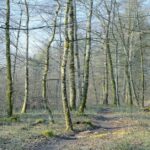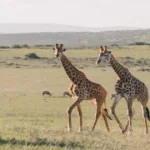
Forests and wildlife are not just scenic landscapes. They are living resource systems that support life every day. Forests clean the air, store carbon, and protect soil. Wildlife maintains food chains and supports plant growth through pollination and seed dispersal.
Together, forest and wildlife resources form the backbone of healthy ecosystems. They provide timber, medicines, water security, and climate balance. Therefore, their value goes beyond beauty or tourism.
However, growing human pressure threatens these natural assets. Understanding how these resources function and why they matter helps us manage them wisely. This discussion explains their meaning, types, ecological importance, and sustainable management in a clear and practical way.
What Are Forest and Wildlife Resources?
Forests and wildlife resources are natural systems that support life and human needs. Forests include trees, shrubs, soil organisms, and plant life that grow together in a region. Wildlife refers to animals, birds, insects, reptiles, and aquatic species living in natural habitats.
These resources work as interconnected ecological units. For example, trees provide shelter and food for animals. In return, animals help forests regenerate through pollination and seed dispersal. Therefore, they function as living resource networks rather than isolated elements.
Forest and wildlife resources are renewable when managed carefully. However, they become vulnerable when overused or degraded. Understanding their meaning helps clarify how they support food security, climate balance, and ecosystem stability.
Forest Resources as Renewable Natural Assets
Forest resources include timber, fuelwood, fibers, and plant-based products. Timber supports construction and furniture industries. Fuelwood remains essential for energy in many rural areas.
Besides wood, forests provide non-timber forest products such as fruits, resins, medicinal plants, and honey. These products support local livelihoods and small-scale economies.
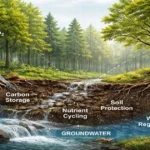
Forests also deliver ecological services. They store carbon, protect soil from erosion, and regulate rainfall patterns. When managed sustainably, forests continue renewing these benefits year after year.
Wildlife as Biological and Genetic Resources
Wildlife resources include herbivores, carnivores, omnivores, birds, insects, and aquatic species. Each group plays a role in maintaining ecological balance. Predators regulate prey populations, while herbivores shape vegetation growth.
Genetic diversity within wildlife strengthens ecosystems. Species with varied genes adapt better to climate changes and diseases. Therefore, biodiversity increases ecosystem resilience.
Wildlife also supports pollination, seed dispersal, and nutrient cycling. Without these biological functions, forest ecosystems would weaken over time.
Classification of Forest Resources
Forest resources can be grouped based on how humans and ecosystems benefit from them. This classification helps explain their practical and ecological value. It also highlights the need for responsible management.
Provisioning Resources
Provisioning resources include wood, fuel, and plant-based products. Timber remains a key material for housing and infrastructure. Fuelwood and charcoal still support energy needs in many regions.
Medicinal plants and edible forest products provide food and healthcare support. Therefore, forests contribute directly to economic and social well-being.
Regulating and Supporting Services
Forests regulate climate by storing carbon in biomass and soil. They also stabilize soil and reduce flood risks. In addition, forests maintain water cycles by influencing rainfall and groundwater recharge.
Global forest assessments track these services through measurable data on forest area, carbon stock, and deforestation trends. Reliable insights are available through the Global Forest Resources Assessment. Such monitoring supports long-term forest sustainability planning.
Cultural and Livelihood Resources
Forests hold cultural value for many communities. Indigenous groups depend on forests for food, shelter, and traditional medicine.
Ecotourism also generates income and promotes awareness about conservation. These uses reflect the ecological and economic benefits of wildlife conservation, linking culture, livelihood, and sustainability together.
Major Types of Wildlife Resources
Wildlife resources include a wide range of living species that support ecosystem balance. These species differ in diet, habitat, and ecological function. However, each group plays a clear role in maintaining stability.
From grasslands to wetlands, wildlife forms complex food webs. Therefore, understanding these types helps explain how ecosystems remain productive and resilient.
Herbivores, Carnivores, and Omnivores
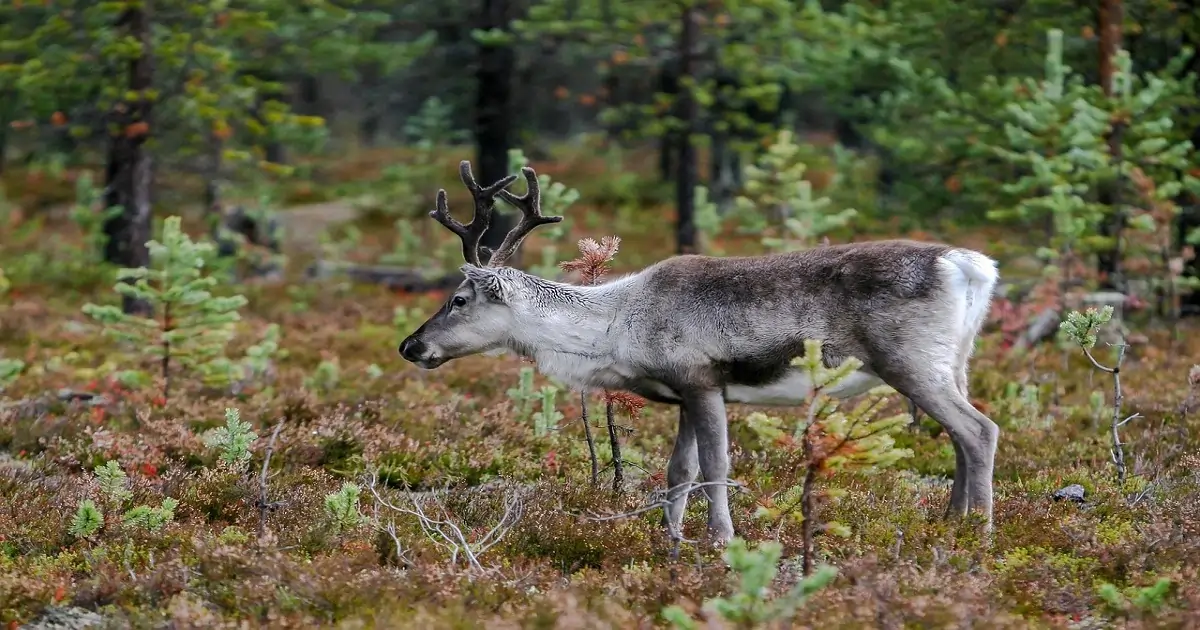
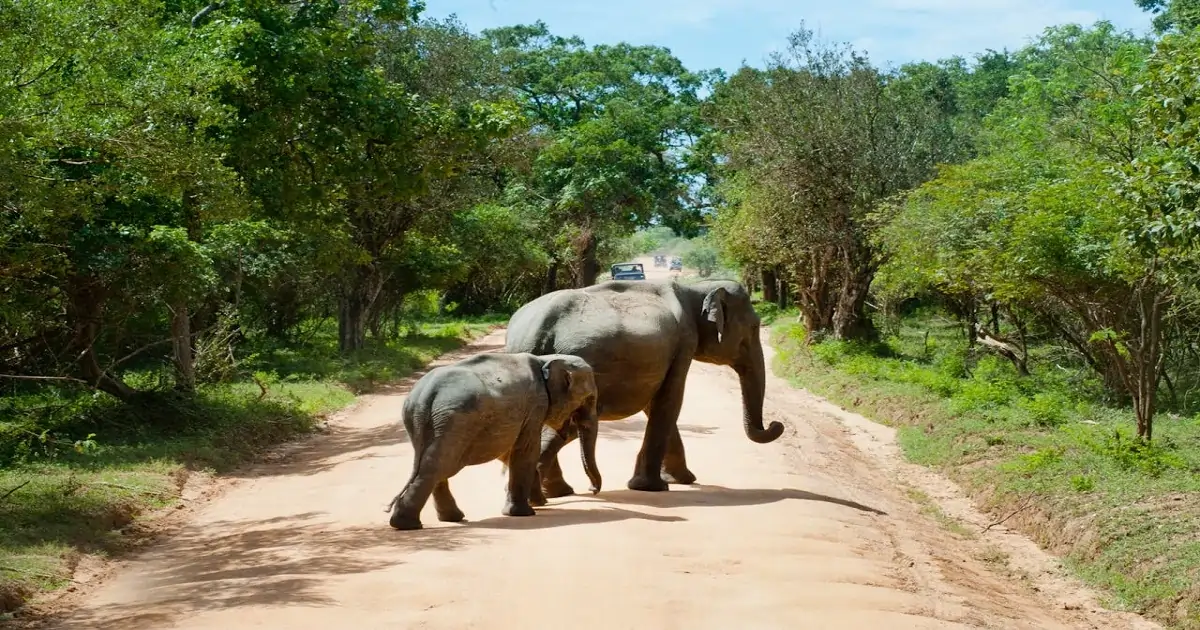
Herbivores such as deer and elephants feed on plants. They control vegetation growth and shape forest structure.
Carnivores like tigers and wolves regulate herbivore populations. This predator control prevents overgrazing and habitat damage.
Omnivores, including bears and wild boars, eat both plants and animals. Besides balancing food chains, they also help recycle nutrients within ecosystems.
Keystone and Endemic Species
Some species have influence beyond their population size. These are known as keystone species. For example, sea otters maintain kelp forests by controlling sea urchins.
Endemic species live only in specific regions. They often face higher risks from habitat loss. Therefore, global assessments classify their conservation status using scientific criteria found in the IUCN Red List Categories and Criteria.
Their value lies not only in numbers but also in ecosystem stability. Losing one keystone species can disrupt entire habitats.
Aquatic and Wetland Wildlife
Aquatic wildlife includes fish, amphibians, and water birds. Wetlands support breeding, feeding, and migration cycles.
These ecosystems connect forests, rivers, and grasslands. Many protected landscapes function through biosphere reserve zones and protected ecosystems, which maintain habitat continuity.
Interdependence Between Forests and Wildlife
Forests and wildlife depend on each other for survival. Trees provide shelter, nesting sites, and food sources. In return, animals assist forests in natural regeneration.
Birds and mammals disperse seeds across wide areas. This process supports plant diversity and forest expansion. Furthermore, pollinators such as bees and butterflies ensure plant reproduction.
Predator and prey relationships also maintain balance. Carnivores prevent herbivores from overconsuming vegetation. Therefore, forest structure remains stable over time.
Healthy forests support diverse life forms. This connection highlights the role of natural vegetation as wildlife habitat in sustaining biodiversity and ecological resilience.
When one part weakens, the entire system suffers. Interdependence keeps ecosystems functioning smoothly.
Why Forest and Wildlife Resources Matter for Ecological Stability
Forest and wildlife resources support ecosystem productivity. Plants capture sunlight and convert it into energy through photosynthesis. Herbivores and carnivores then transfer this energy through food chains.
Forests also buffer climate extremes. They absorb carbon dioxide and moderate local temperatures. Therefore, regions with healthy forests often experience fewer extreme weather impacts.
Watershed stability depends heavily on forest cover. Roots hold soil in place and reduce erosion. In addition, forests regulate water flow and recharge groundwater supplies.
Wildlife contributes to food security through pollination and pest control. Bees support crop production, while birds reduce harmful insect populations.
Together, these resources maintain ecological balance. When forests thrive and wildlife populations remain stable, ecosystems continue to function efficiently and sustainably.
Key Threats to Forest and Wildlife Resources
Forest and wildlife resources face growing pressure from human activity. One major threat is habitat fragmentation. Roads, farms, and cities break large forests into small patches. Therefore, animals struggle to find food and safe breeding areas.
Overexploitation also reduces natural stocks. Excessive logging, hunting, and fishing disturb ecological balance. When removal exceeds natural renewal, ecosystems weaken quickly.
Illegal wildlife trade creates serious risks for many species. Animals are hunted for skins, horns, or exotic pets. This trade disrupts food chains and reduces genetic diversity. Stronger enforcement and awareness support major wildlife protection initiatives in India.
Climate variability adds further stress. Rising temperatures, irregular rainfall, and extreme events alter habitats. As a result, some species migrate while others decline.
Sustainable Management of Forest and Wildlife Resources
Sustainable management aims to balance human needs with ecosystem health. It encourages careful resource use without long-term damage. Therefore, forests can continue providing wood, food, and ecological services.
Sustainable forest management promotes selective logging and replanting. It also protects soil and water systems. Communities often participate in monitoring forest use and preventing illegal activities.
Wildlife corridors connect fragmented habitats. These pathways allow animals to move safely between forest patches. Besides supporting migration, corridors improve genetic exchange.
Modern technology strengthens management efforts. Satellite images track forest cover changes. Geographic Information Systems help map wildlife habitats and monitor threats.
Global principles also guide sustainable use. International efforts promote the sustainable use of biodiversity principles to maintain ecosystem resilience. These frameworks support long-term conservation and responsible development.
For deeper understanding of broader conservation approaches, explore types of wildlife conservation strategies that strengthen ecosystem protection.
Frequently Asked Questions
A quick look at common questions helps clarify key ideas about forest and wildlife resources. These answers explain important points in clear and simple language.
What are forest resources?
Forest resources include trees, plants, soil organisms, and related products. They provide timber, fuel, fruits, and medicinal plants. Forests also regulate climate and protect soil. Therefore, they support both economic needs and ecological stability.
What are wildlife resources?
Wildlife resources refer to animals, birds, insects, and aquatic species living in natural habitats. They help maintain food chains and ecological balance. Moreover, wildlife contributes to pollination, pest control, and genetic diversity.
How can forest and wildlife resources be protected?
Protection requires sustainable use, strict laws, and community involvement. Governments regulate hunting and logging. Communities monitor forests and prevent illegal trade. Furthermore, habitat restoration and wildlife corridors improve ecosystem resilience.
Why are forests important for wildlife survival?
Forests provide shelter, food, and breeding grounds for many species. They create safe habitats with stable temperature and moisture. Without forests, wildlife loses essential resources needed for survival.
What are benefits of forests and wildlife for humans?
Forests supply wood, medicine, and clean water. Wildlife supports agriculture through pollination and pest control. Together, these resources help maintain climate balance and food security.
Conclusion
Forest and wildlife resources form the living foundation of healthy ecosystems. They provide food, shelter, clean air, and stable water systems. Moreover, they help stabilize environmental systems and long-term productivity.
However, these resources remain secure only when managed wisely. Overuse, habitat loss, and climate stress weaken natural systems. Therefore, sustainable management becomes essential for future stability.
Balancing development with conservation ensures that forests continue to grow and wildlife continues to thrive. Communities, technology, and strong governance all play important roles. When forests remain intact and wildlife populations stay stable, ecosystems function smoothly.
Protecting these natural assets today safeguards environmental resilience and human well-being for generations ahead.